After two years of uncertainty, the Democratic Republic of the Congo finally organized elections in December 2018 that were won by opposition candidate Felix Tshisekedi. Despite irregularities in the election process, Tshisekedi’s inauguration in January 2019 marked the first peaceful transfer of power in the DRC’s history and gives some hope for change and national reconciliation. Meanwhile, the elections overshadowed the second biggest Ebola outbreak in recorded human history, centered in the eastern provinces of North Kivu and Ituri. Beginning in August 2018, the outbreak has caused an estimated 1756 deaths as of July 2019, according to WHO.
Interpeace’s work in the Democratic Republic of Congo (DRC) has been incremental since 2013, when the organization launched a cross border dialogue programme to help rebuild trust and deconstruct identity-based stereotypes among frontier communities in the eastern DRC, Rwanda and Burundi.
Since then, the Interpeace program in the DRC has expanded into the different provinces of Kasai and Central Kasai, North Kivu, Ituri, South Kivu and Mai-ndombe.
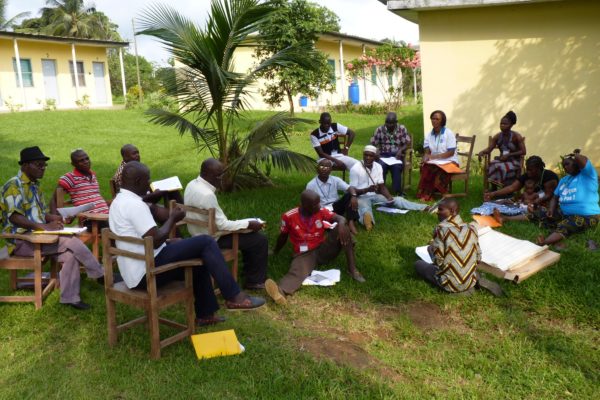
Our strategy in the DRC is to harness research, dialogue and collective action to help build trust between communities in conflict, as well as between communities, the authorities, the private sector and the international community. We aim to strengthen the capacities of key actors in effective prevention, management and transformation of conflicts to enable them to promote sustainable peace.
In 2024, the DRC faced escalating conflicts, particularly in its eastern regions. The resurgence of the M23 rebel group and its intense clashes with the Congolese army resulted in the displacement of over 7 million people, exacerbating food insecurity and the spread of infectious disease. Tensions with neighbouring Rwanda, a failed coup attempt in May, and the announcement of MONUSCO’s planned withdrawal further destabilised the political landscape and raised concerns over the country’s stability.
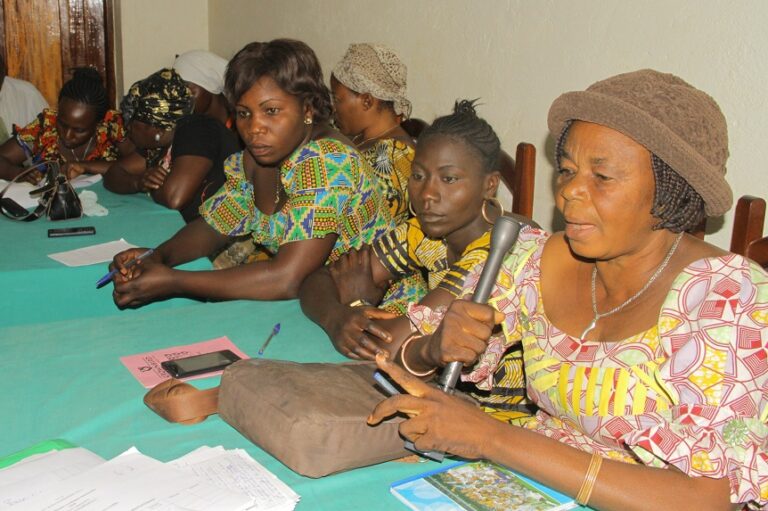
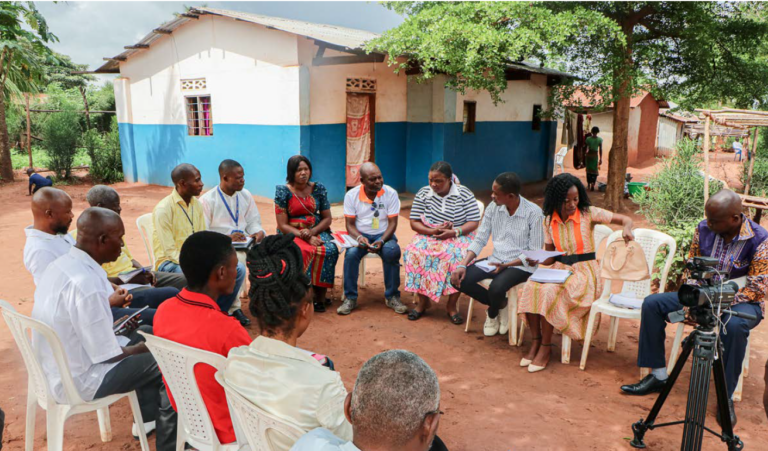
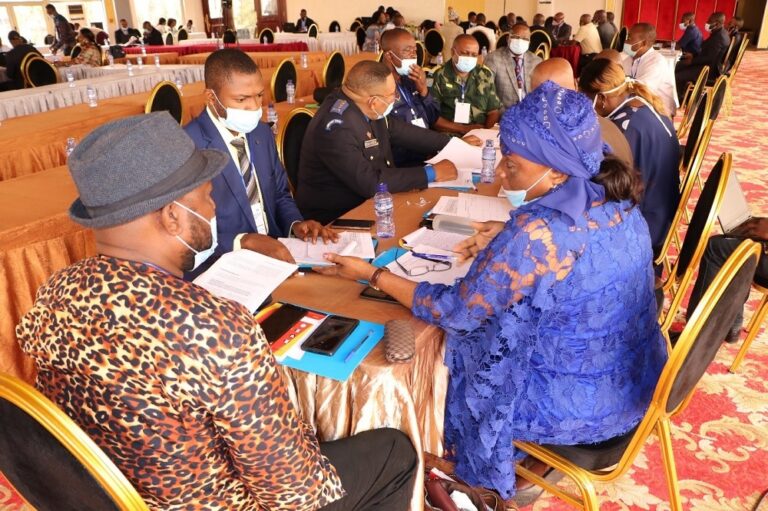
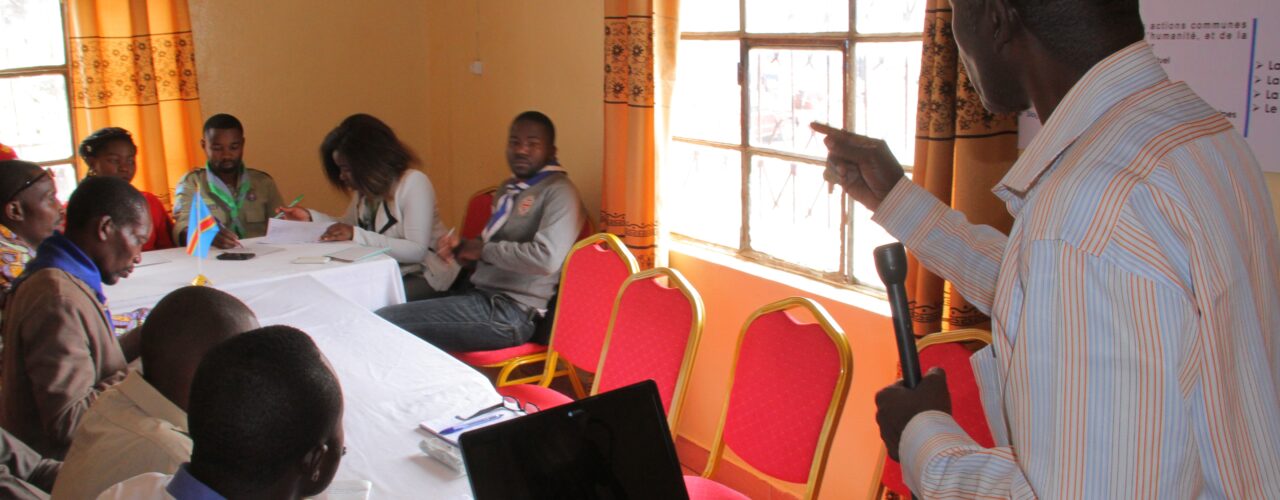
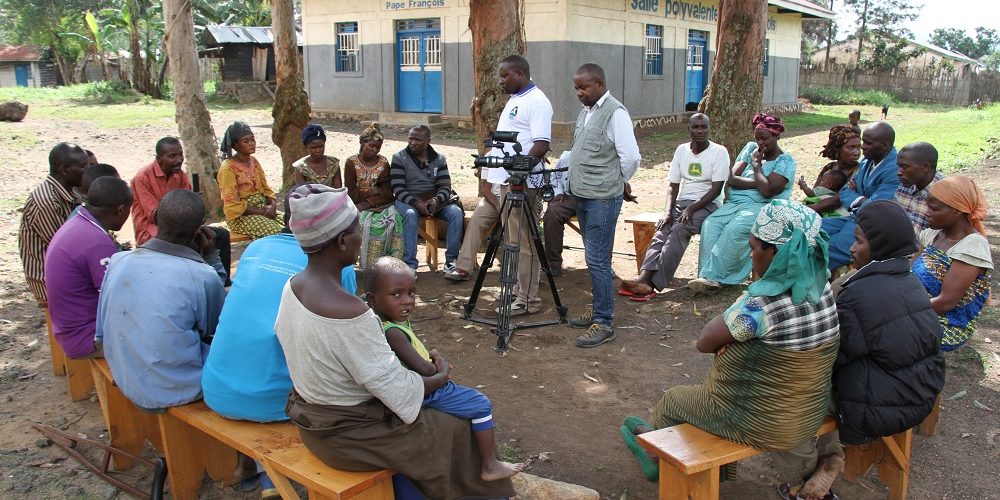
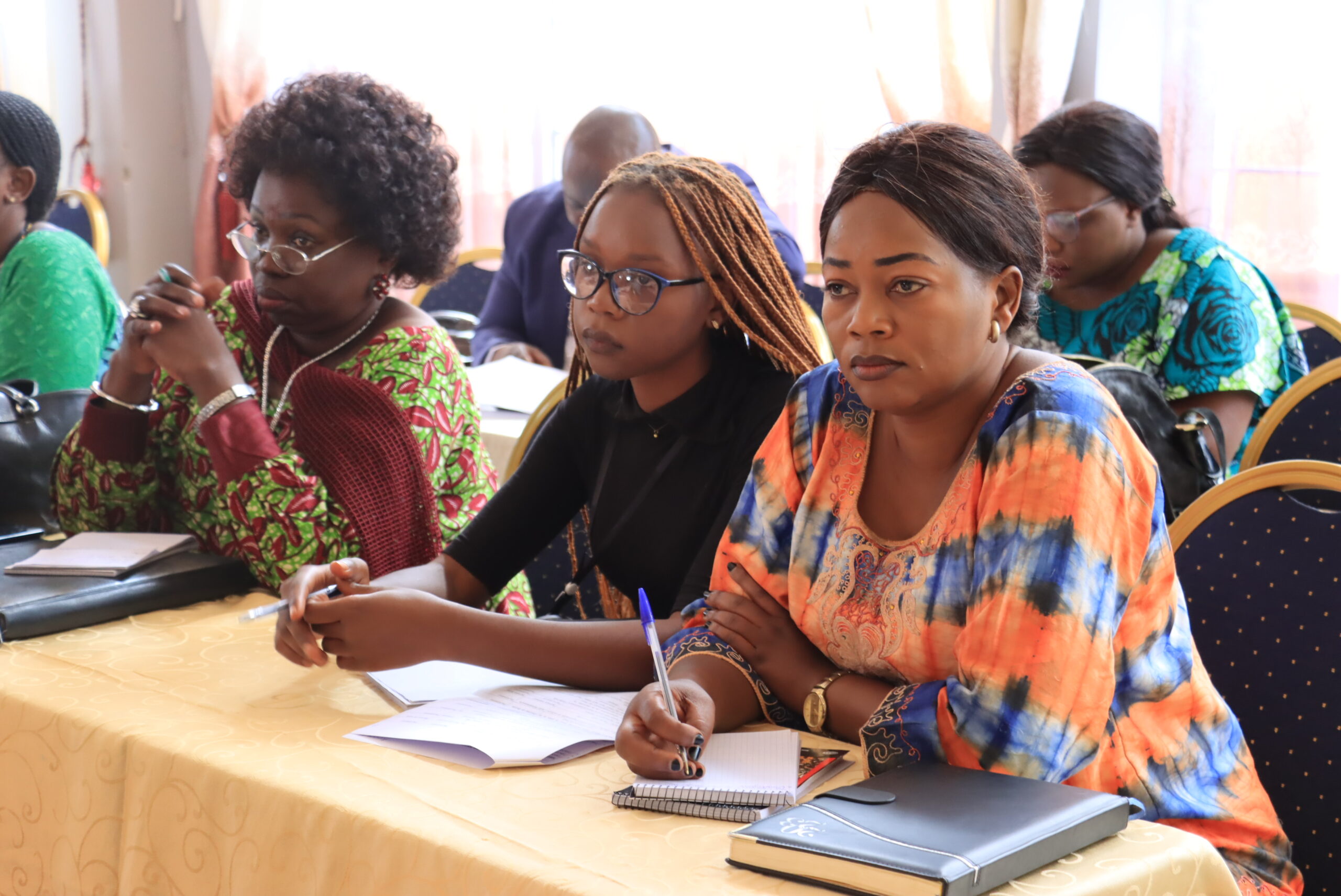
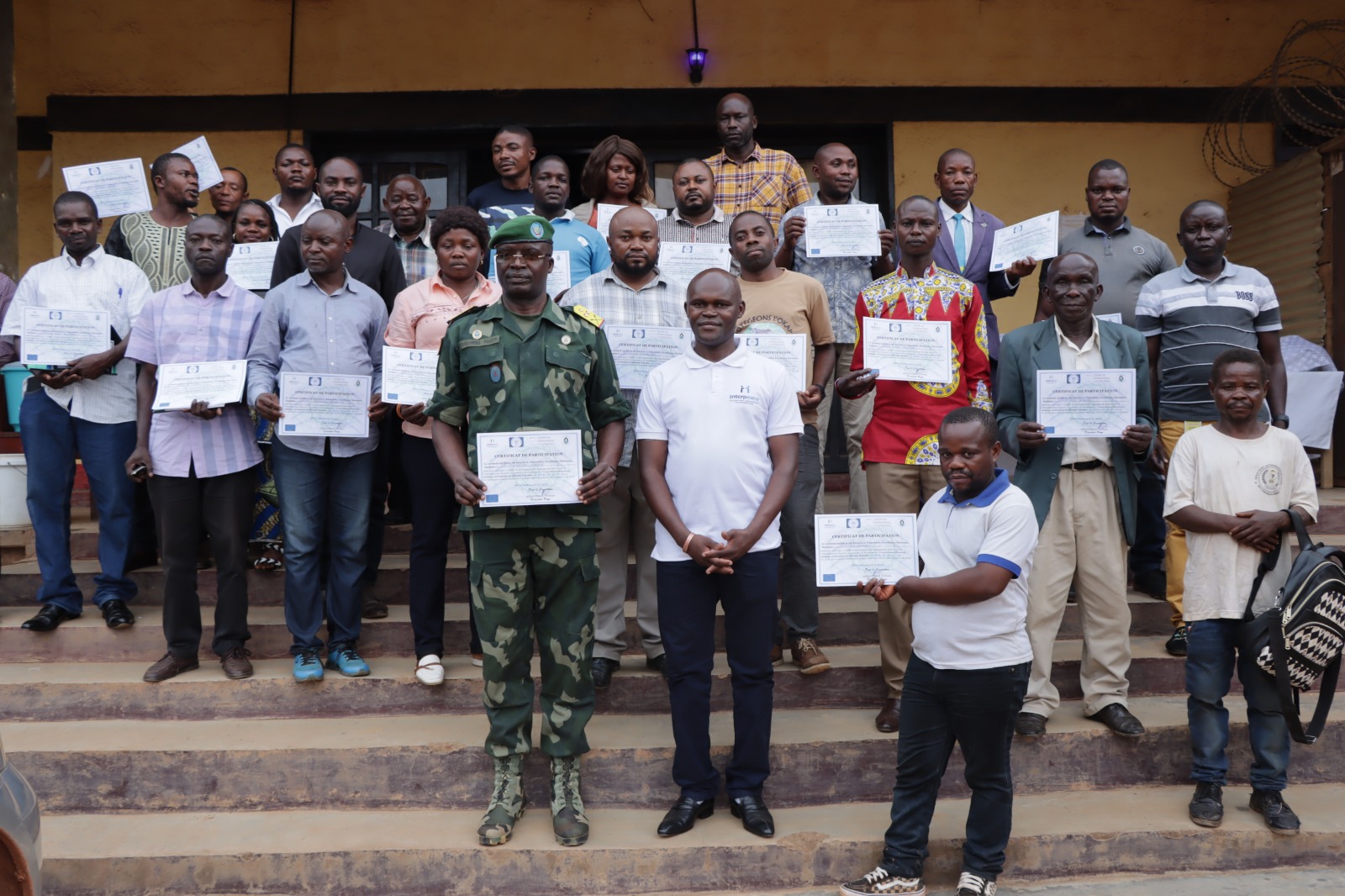
In the DRC, Interpeace works closely with Action pour la Paix et la Concorde (APC) to strengthen peace-focused governance and rebuild relationships between the government, traditional authorities, citizens, and other stakeholders. Interpeace supports nine permanent dialogue groups and four inclusive working groups composed of representatives from political and traditional authorities and civil society that serve as platforms for community dialogue.
In 2024, the 13 local peace infrastructures addressed 20 conflicts, reaching 6,122 people, including 1,992 women and 1,586 youth. Interpeace and its partners supported 32 activities with security and four with state actors on governance. Four national and provincial peace governance strategies were developed as a result of this work.