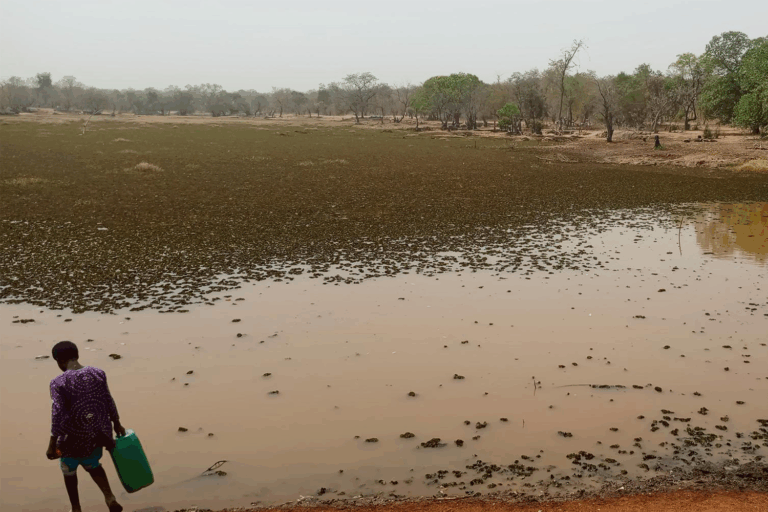
For about a decade, Burkina Faso has been facing a multidimensional crisis, marked by armed conflict involving terrorist groups, political instability, community tensions, and the radicalisation of young people driven by a lack of job opportunities. Like other countries in the Sahel region, Burkina Faso has become the epicentre of armed terrorist groups. The conflict is fuelled by several factors, including competition over land and natural resources, as well as community conflicts exacerbated by stigma.
Despite the presence of social and institutional resilience mechanisms and stabilisation policies, the social and economic situation of communities in Burkina Faso remains a pressing concern, requiring a coordinated response to restore peace, social cohesion, and security. That is why our work in Burkina Faso—guided by both an analysis of conflict and resilience factors and national priorities—is structured around three key pillars: strengthening social cohesion and peaceful coexistence within communities, promoting inclusive and participatory governance, and building the resilience of populations to terrorist threats.
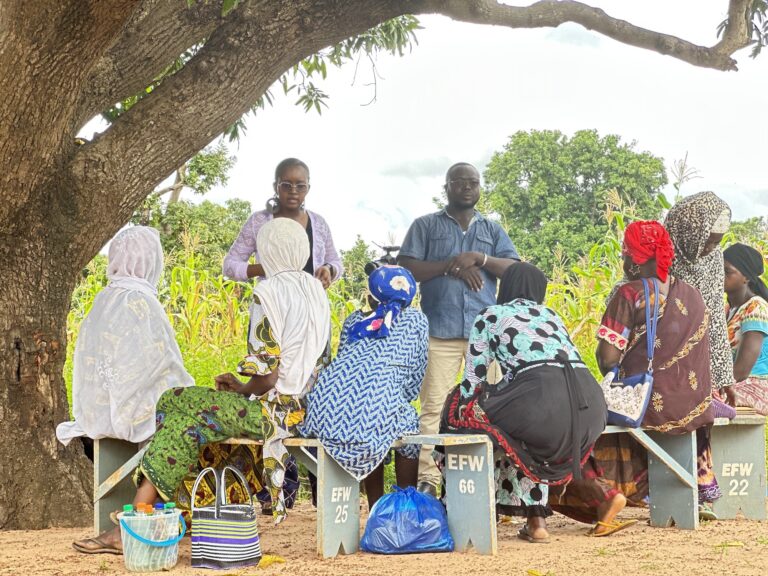
The objective is to strengthen community resilience and institutional capacity to prevent and manage conflict through peacebuilding approaches and enhance opportunities for sustainable development.
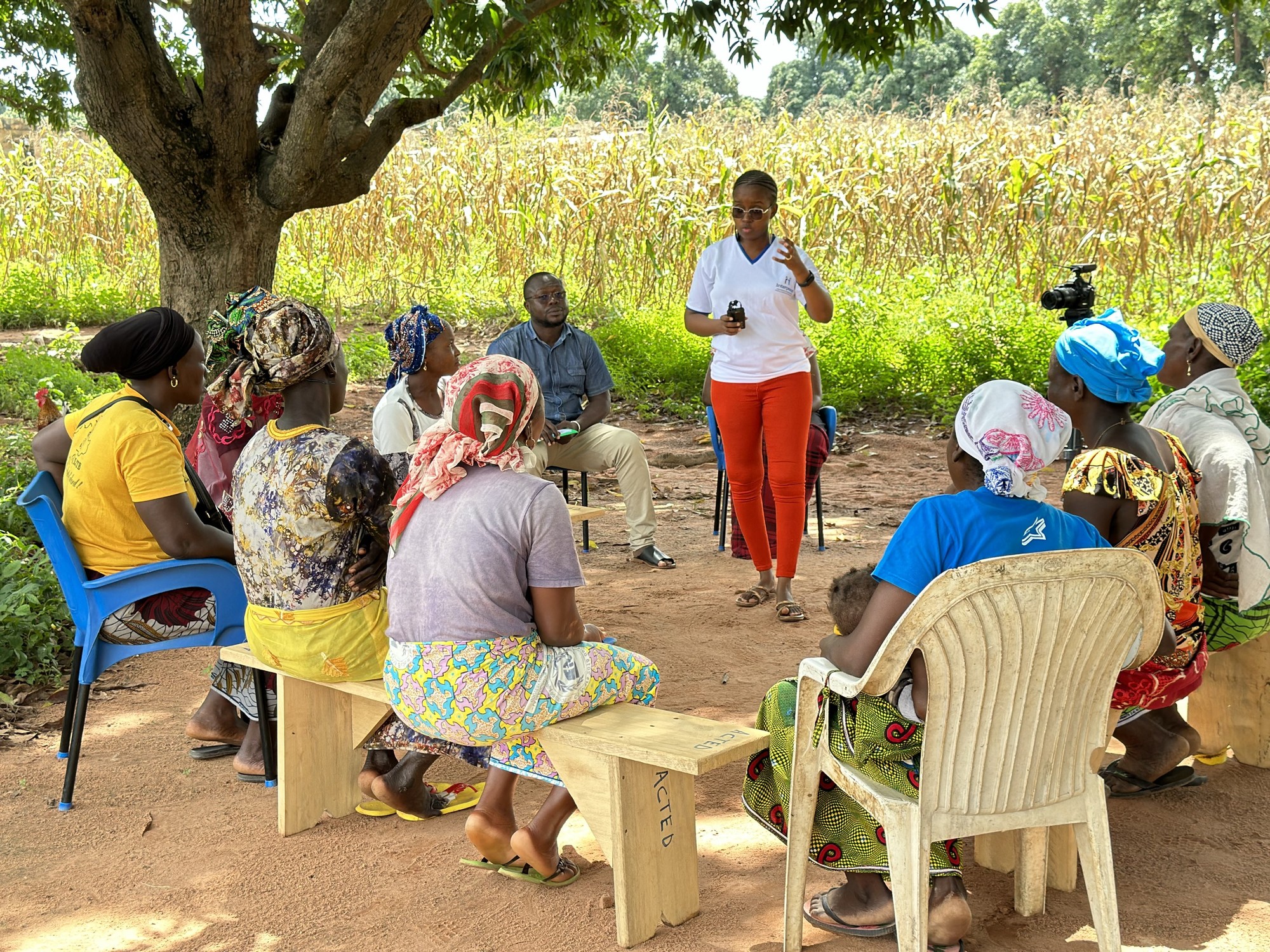
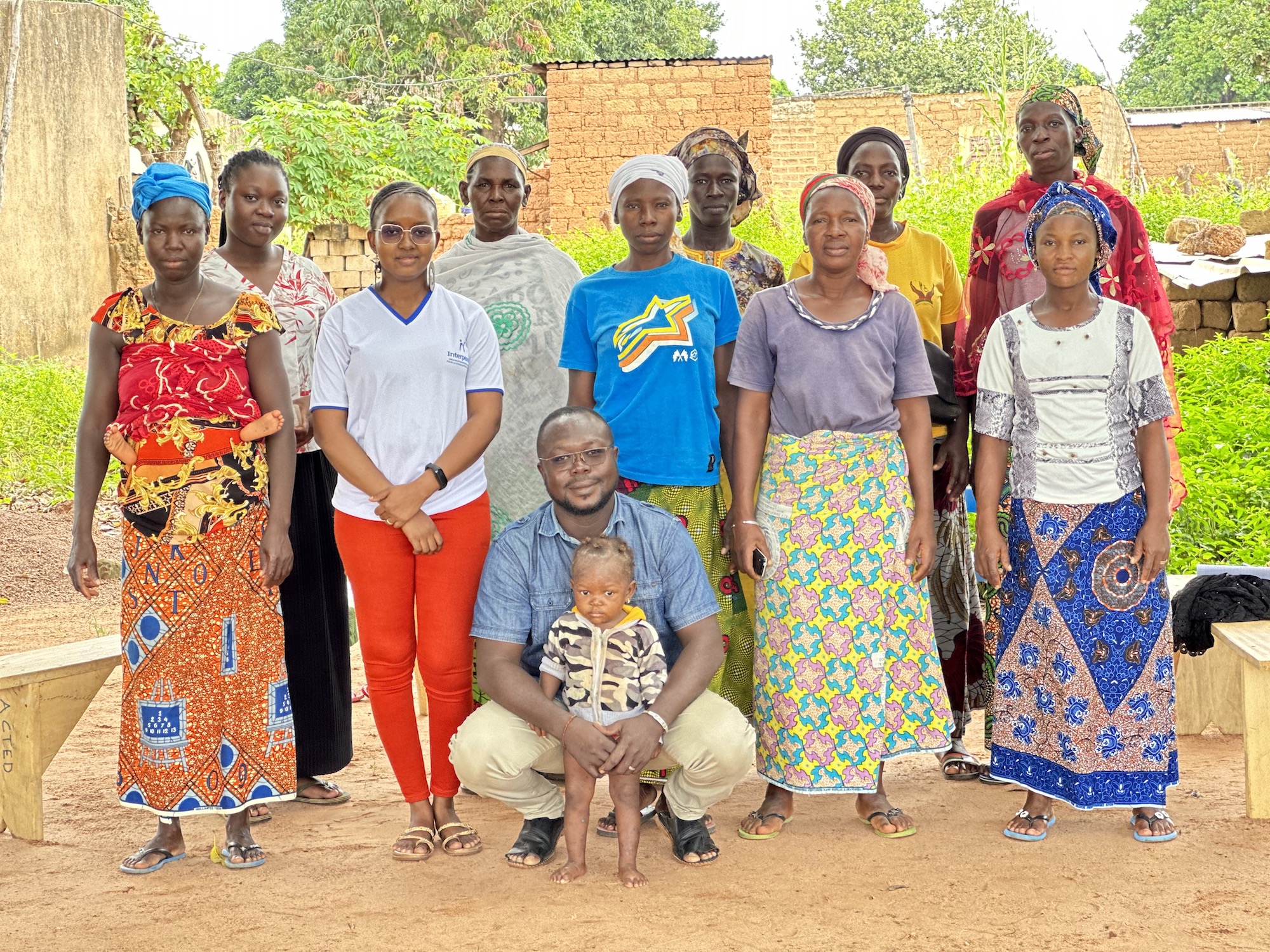
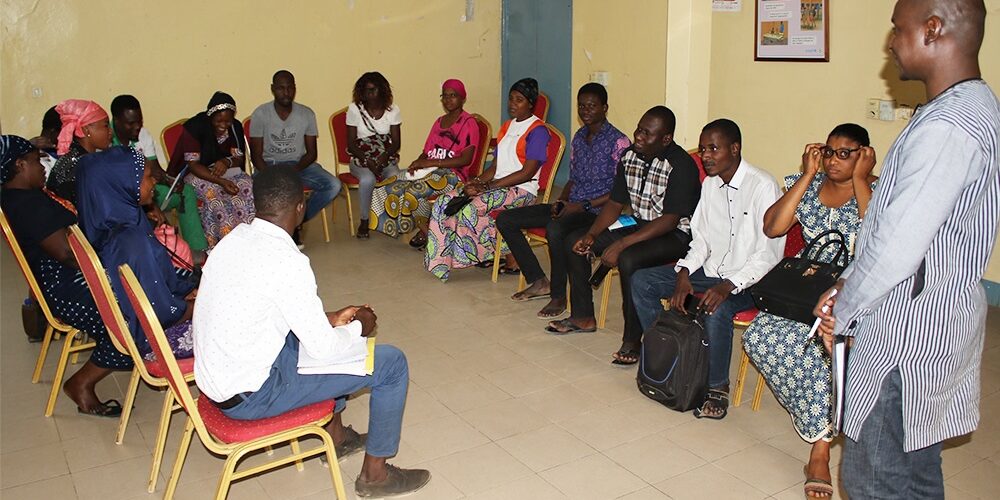
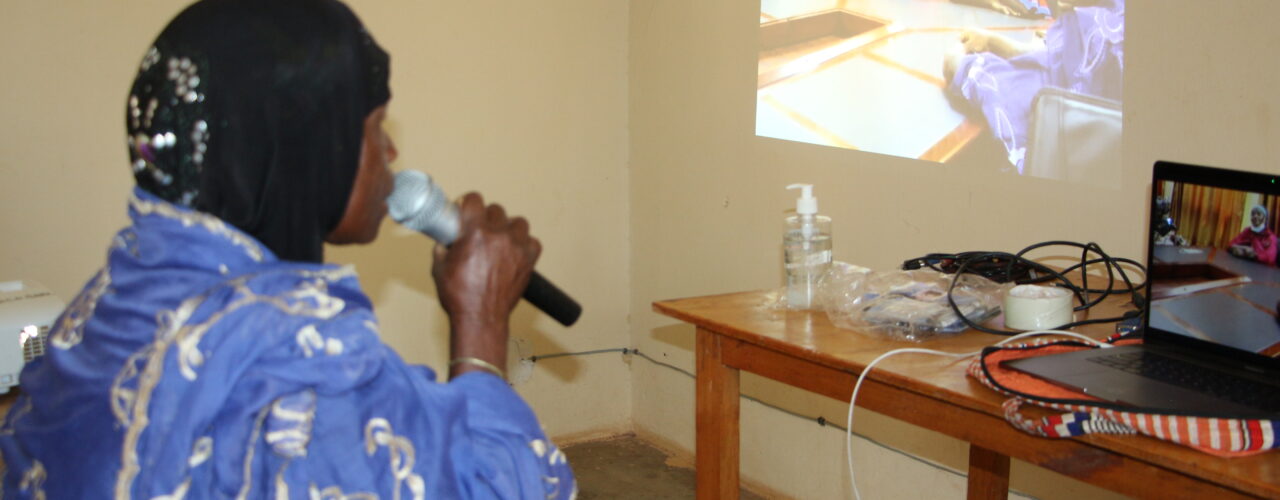
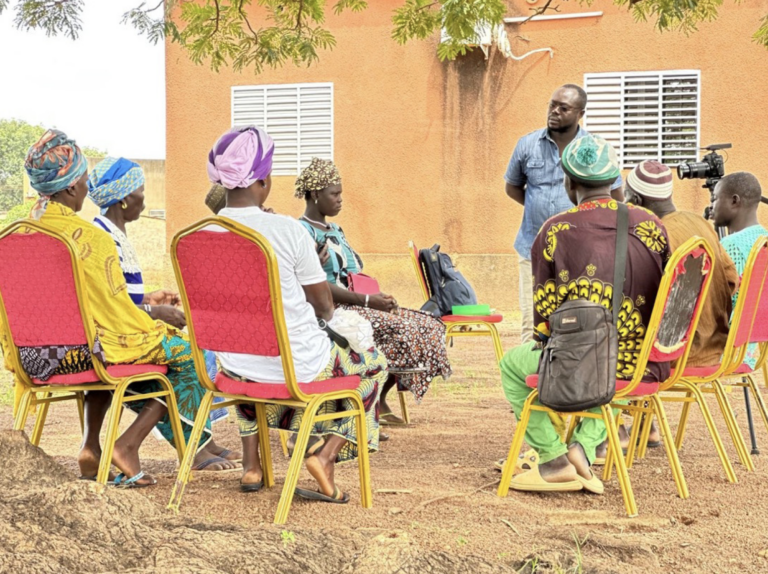
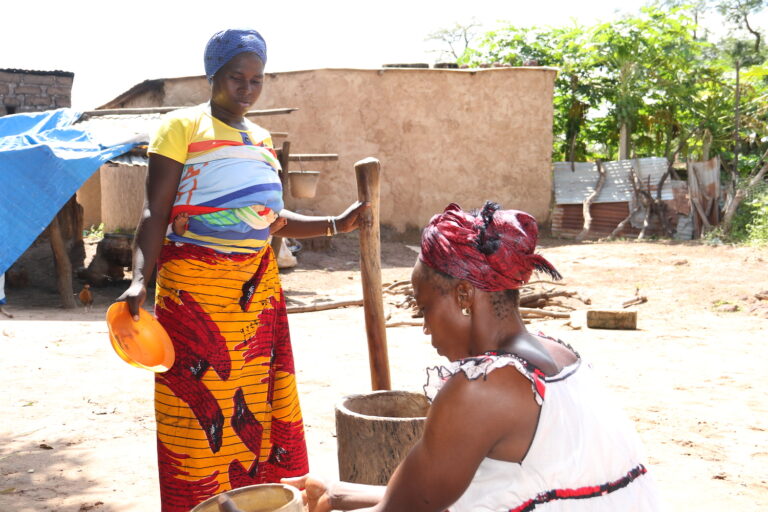
Interpeace’s Laafia Weltaré project addresses conflict trauma and strengthens social cohesion through MHPSS and livelihood development with displaced persons and host communities. The project aims to also integrate a holistic approach to peacebuilding, MHPSS, and livelihood development into the strategies and actions of national and international actors working in communities affected by security and humanitarian crises. In 2024, Interpeace and its partners supported 1,096 people, including 520 women and 418 youth, through this work.
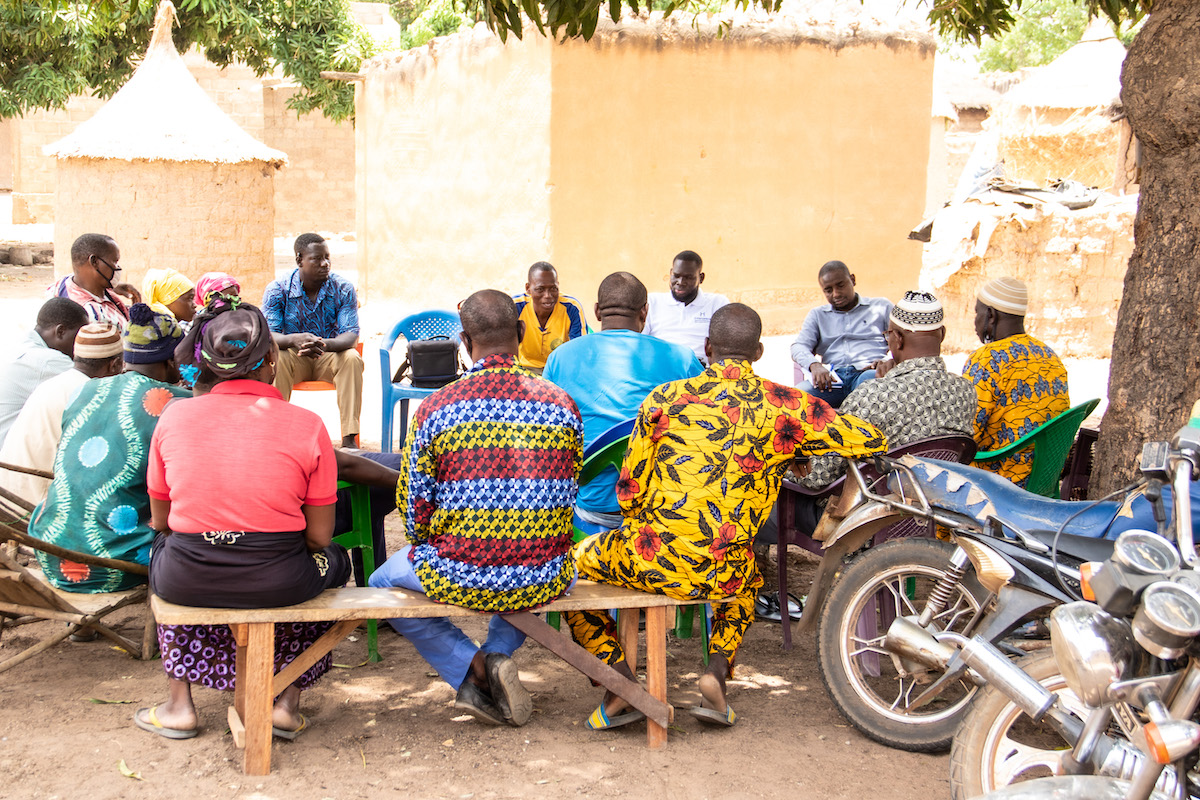
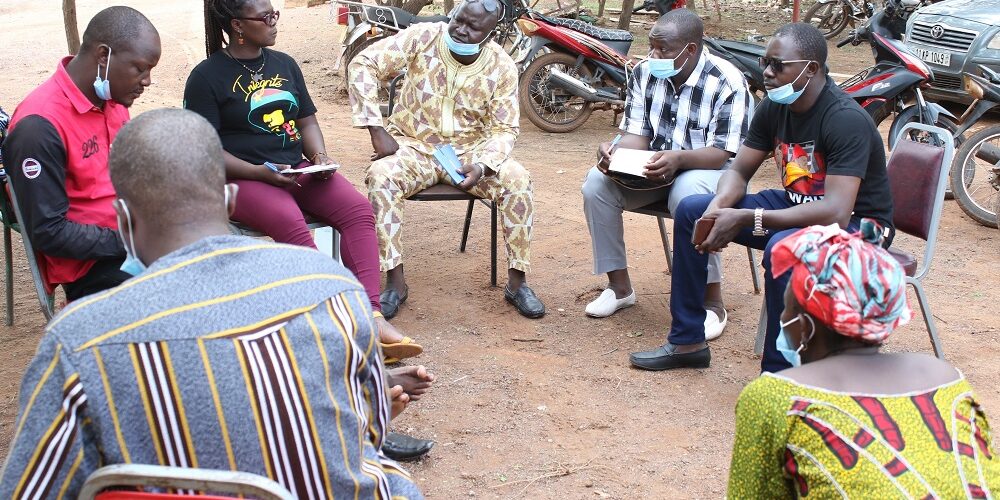
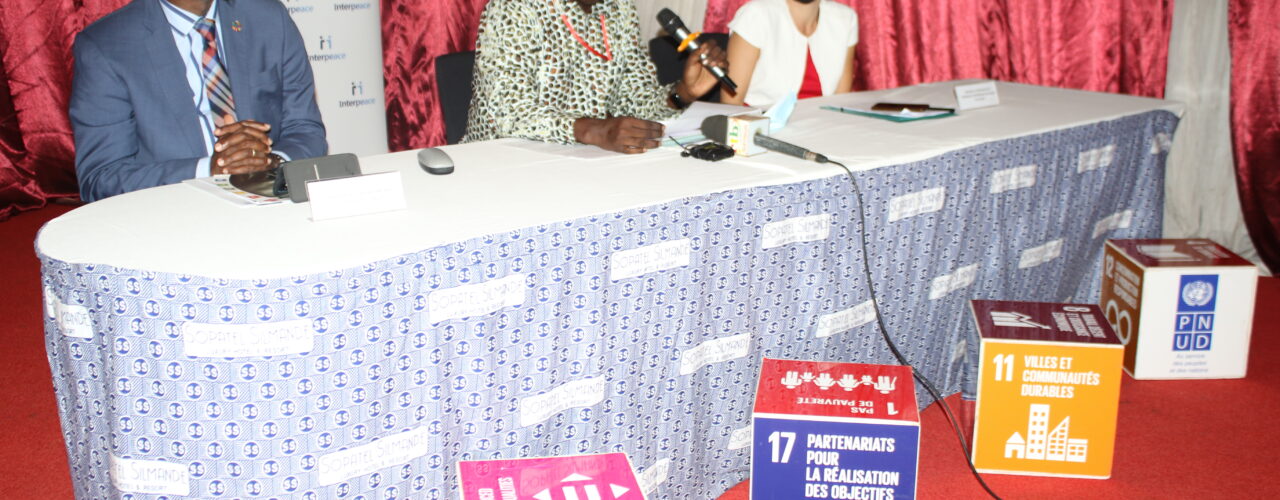
Since 2021, Interpeace, with the United Nations Development Programme (UNDP) and the Food and Agriculture Organization (FAO), has worked to reduce conflicts over land and resources by training local institutions and communities in conflict mediation and resolution. Interpeace has partnered with government agencies to integrate peacebuilding into security governance in key regions and improve trust between communities and security forces through dialogue and joint initiatives.
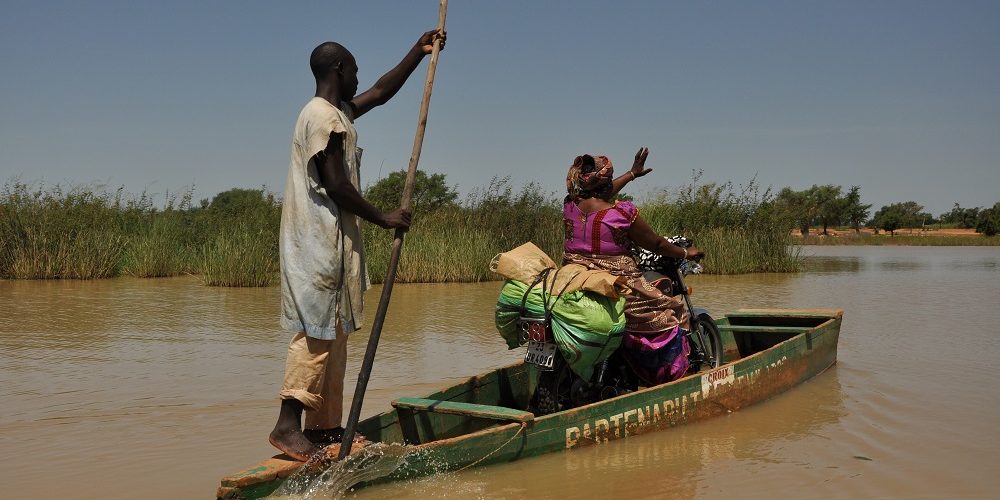
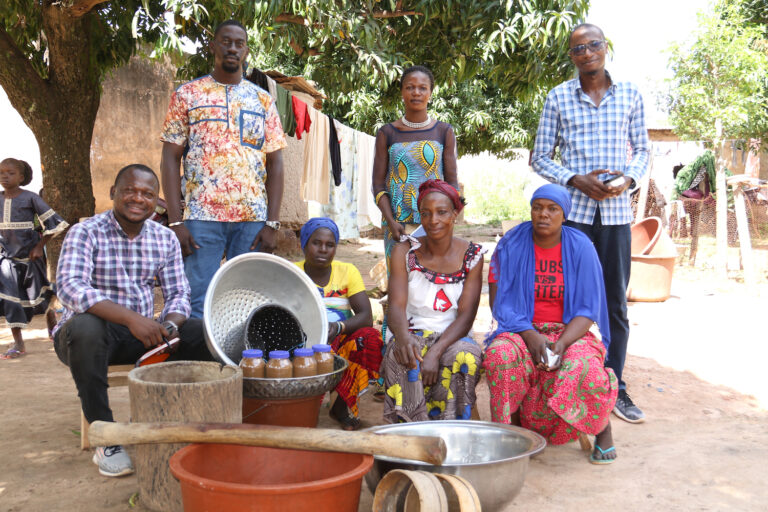
Since 2022, Interpeace and its partners have utilised a cross-border programme to strengthen social cohesion and economic development in Burkina Faso’s Hauts-Bassins and Mali’s Sikasso regions by supporting local peacebuilding infrastructures to promote community access to income-generating activities and natural resource management. In 2024, Interpeace and its partners engaged 5,564 people—over half of which were youth and 2,589 of which were women—to participate in two local infrastructures that addressed six community conflicts along the border. Interpeace and its partners supported 60 income-generating activities and two activities with local security actors.