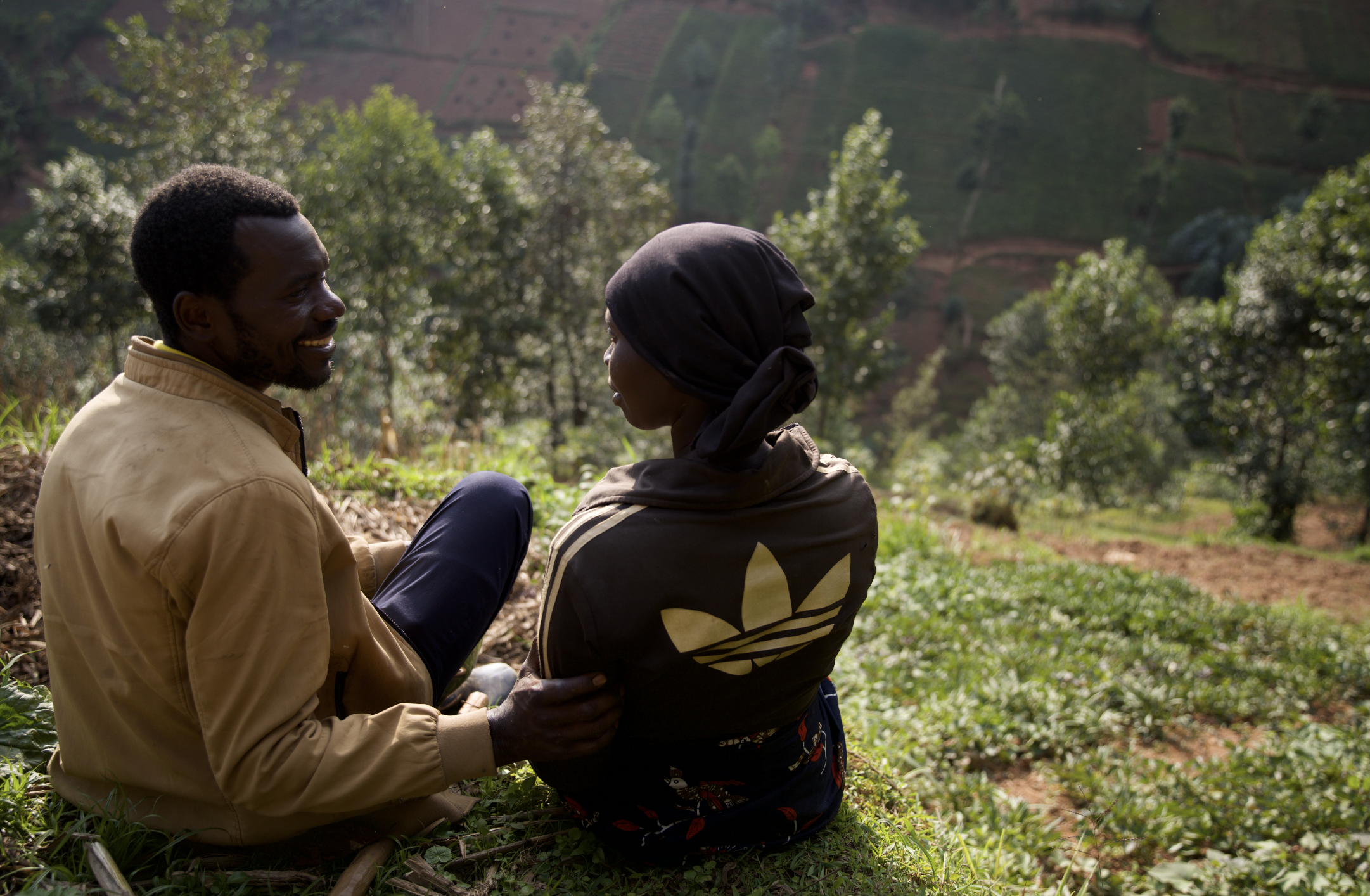
In the steep hills of Nyabihu District, western Rwanda, a man once feared by his neighbours now leads efforts to foster peace and understanding in his community.
Joseph Nshimiyimana, a father and community leader, has experienced both the darkest and brightest sides of human existence — from a life defined by violence and isolation to one marked by healing and reconciliation.
Joseph was born into extreme poverty as one of twelve surviving children of his family. Hunger and neglect defined his early years. At just 12 years old, unable to bear life at home, he ran away and began to work as a shepherd.
His family, overwhelmed by hardship, believed he had died for years. As Joseph grew older, loneliness and lack of affection took a deep toll on his mental health, fuelling anger and aggression. Known in his village as a bully, he often terrorised neighbours and peers.
“He was extremely violent and dangerous. He would beat anyone, regardless of their age, for no reason,” recalls Willy Habiyaremye, a neighbour whom Joseph attacked several times. “He even set up a roadblock at the entrance to our village just to harass people. Everyone was afraid of him.”
Alcohol and narcotic drugs, especially cannabis, became part of Joseph’s daily life — a way to silence the pain he couldn’t express. Alone and mistrustful, he preferred the company of his hunting dogs to that of other people.
“I would smoke two pellets of cannabis at once to feel relaxed and find peace of mind,” Joseph recalls. “After smoking, I felt strong and powerful, like I had control over everyone. I didn’t want anyone near me — only my dogs. They made me feel like a king surrounded by his guards.”
Eventually, Joseph married, but the cycle of pain continued. His unresolved trauma turned into domestic violence.
“We lived in fear every day,” says his wife, Godelieve Ntegejo. “He would beat me and the children, and sometimes we fled to our in-laws’ house for safety. Even small things made him furious, like someone possessed.”
A Turning Point Through Healing
Joseph’s transformation unexpectedly began when he joined a Youth Sociotherapy group in Jomba Sector, Nyabihu District. Sociotherapy is part of a broader societal healing programme led by Interpeace in partnership with Prison Fellowship Rwanda, Haguruka, and Dignity in Detention — implemented from 2022 to 2025 with support from the Government of Sweden. Sociotherapy is a community-based psychosocial support approach that provides safe spaces for individuals to share, listen, and heal together.
Through open dialogue, self-reflection, mutual support, and guided reflection, Joseph began to confront his traumatic past.
“For the first time, I understood the pain I was carrying,” he says. “The sessions on care and safety made me realise how much I had passed my suffering on to others. From that moment, I decided to change.”
Gradually, Joseph stopped using drugs and alcohol. He reached out to those he had wronged, seeking forgiveness and making amends. His violent outbursts faded, replaced by empathy and accountability. By the end of the six-month Sociotherapy stages, Joseph had become a respected voice in his community — the same community that once feared him.
“When he came to ask for my forgiveness, I thought I was dreaming,” says a neighbour we found helping Joseph with farm work. “I couldn’t believe he had become humble and kind. I forgave him, and now we are close friends.”
Community members and leaders began to trust Joseph again, recognising his commitment to peace. His exemplary behaviour earned him three leadership roles within the village committee.
At home, his family life underwent a transformation. His wife and children — once living in fear — now speak of safety and hope. To mark this new chapter, Joseph chose to legalise his marriage and celebrate it in the local ADEPER church, reconciling with his faith.
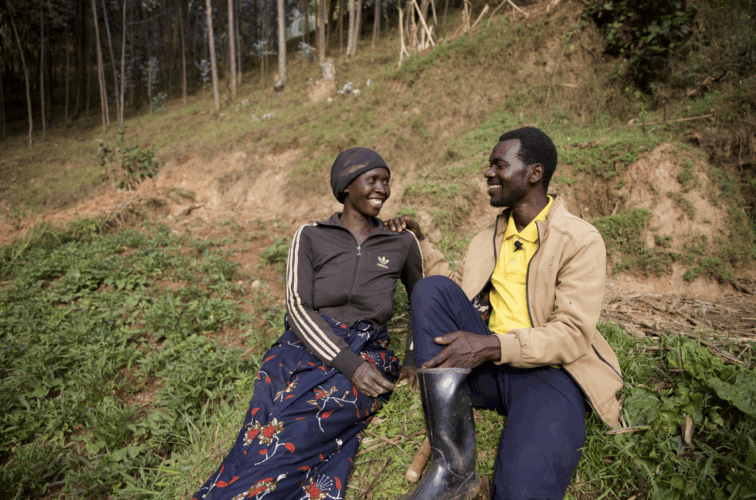
“He listens now. He helps around the house. We talk and laugh. I feel loved and cared for,” Godelieve says with a smile.
Across 140 community healing groups in five districts, over 2,000 people have begun their healing journey as part of the Societal Healing Programme that has boosted resilience by 9%, emotional well-being by 24%, and self-management by nearly 30%.
Levels of trust and forgiveness among community members have also grown, paving the way for stronger social cohesion.
The Ripple Effect of Healing
Joseph’s transformation brought renewed harmony into his household and strengthened the couple’s livelihood. Together, they bought land to grow food, a cow to provide milk for their children, and manure to enrich their soil.
Once feared and despised, Joseph is now someone others — especially young people and couples in conflict — turn to for advice and encouragement. Drawing on his own story, he helps them reflect on their behaviour and accept responsibility for their actions.
So far, he has helped five couples in his neighbourhood resolve their disputes and rebuild trust.
“Joseph’s case proves that healing is possible when people are given safe spaces to talk, reflect and reconnect,” says a local leader.
Once a threat to social harmony, Joseph is now a source of hope, a living reminder that when individuals heal, entire communities can begin to thrive.