Interpeace has been engaged in Libya since 2011. The work was launched through an initial in-depth actor and issue mapping process that covered the entire country. Since then, the core objective of the programme is to establish an infrastructure for peace in Libya. This was originally inspired by a pilot phase in the South West, which by 2014 included a mapping process that consulted over 500 Libyans on obstacles to peace and stability in the country. After violence between various political camps broke out in mid-2014 and impeded planned programming, Interpeace launched its ‘peacemapping’ project. Instead of focusing on the violence, this study investigated the dynamics in communities that stayed peaceful while being surrounded by instability. This highlighted the numerous, but less visible, resilience inherent in Libyan communities that have remained relatively stable despite the conflict. It also shed light on factors that positively contribute towards this resilience, thereby indicating useful entry points for stabilization initiatives.
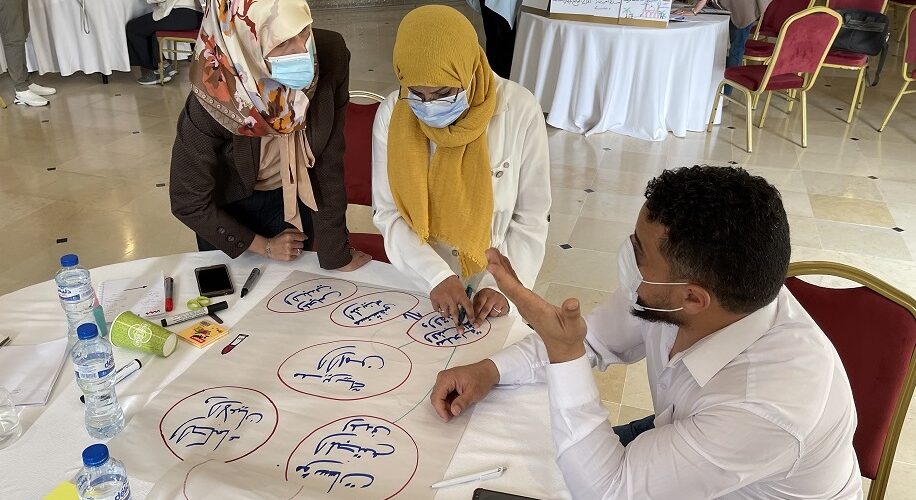
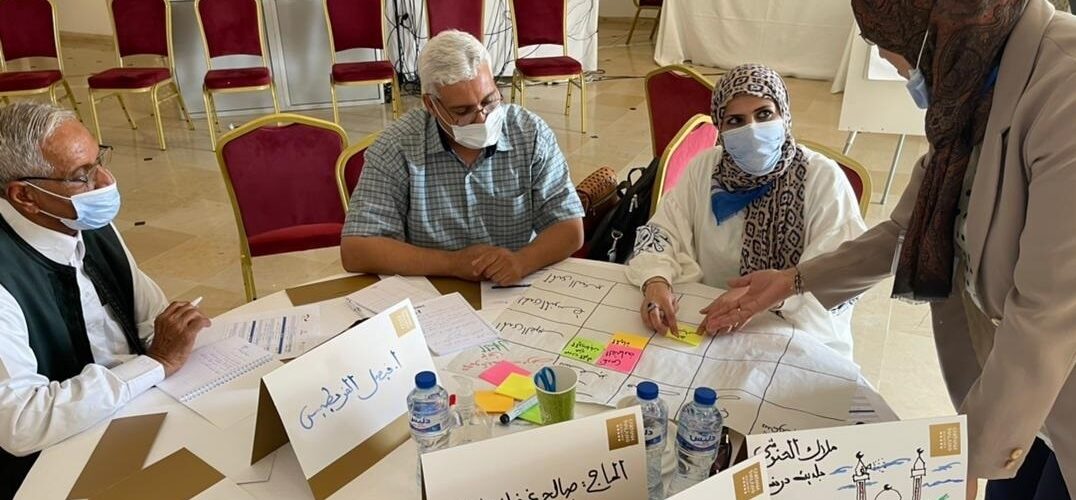
Building on this research, the programme entered its second phase, which sought to strengthen local capacity for resilience through dialogue and gradually built pockets of stability across the country. The programme established and trained a network of about 200 Change Agents, Libyans of all ages, genders and social status that are embedded and central to their communities. The Change Agents have received specialised training in conflict analysis and transformation, dialogue facilitation, conflict resolution, and mediation to be peacebuilders within their communities. This network is central to Interpeace’s work in Libya. It anchors local conflict resolution capacities across the country and is a starting point for a local infrastructure for peace. It is currently being mobilised to understand conflict dynamics in Libya’s South and to understand local reconciliation priorities. Moving forward, Interpeace seeks to build a cross-sectoral multi-level alliance for MHPSS, Peacebuilding and Development with the objective to addressing the multidimensional needs of Libyans in an integrated way.