When the guns fall silent, trauma begins. It lingers in bodies and minds, shaping daily interactions and the way communities relate to one another. In Burundi, decades of violence and instability have left behind invisible wounds that undermine trust, cooperation, and the collective ability to move forward. These unhealed scars not only harm individual well-being but also threaten the nation’s broader aspirations for peace, reconciliation, and development. Addressing trauma is therefore not a peripheral concern—it is a cornerstone of building a stable, inclusive, and resilient society.
The Synergies for Peace III programme (September 2022 – March 2025), coordinated by Interpeace and implemented in partnership with five Burundian civil society organisations—CENAP, BLTP, ICB, Jimbere/ASSEMAJI, and AJEBUDI-Yaga—was funded by the Swiss Agency for Development and Cooperation (SDC) from 2022-2023 and the Embassy of the Kingdom of the Netherlands (EKN) (2022-2025). Over its three years, the programme worked to advance reconciliation and promote more accountable and inclusive governance that responds to local and national priorities for peacebuilding. Its approach combined trauma healing, inclusive governance, and the empowerment of women and youth, while fostering collaboration between citizens and institutions.
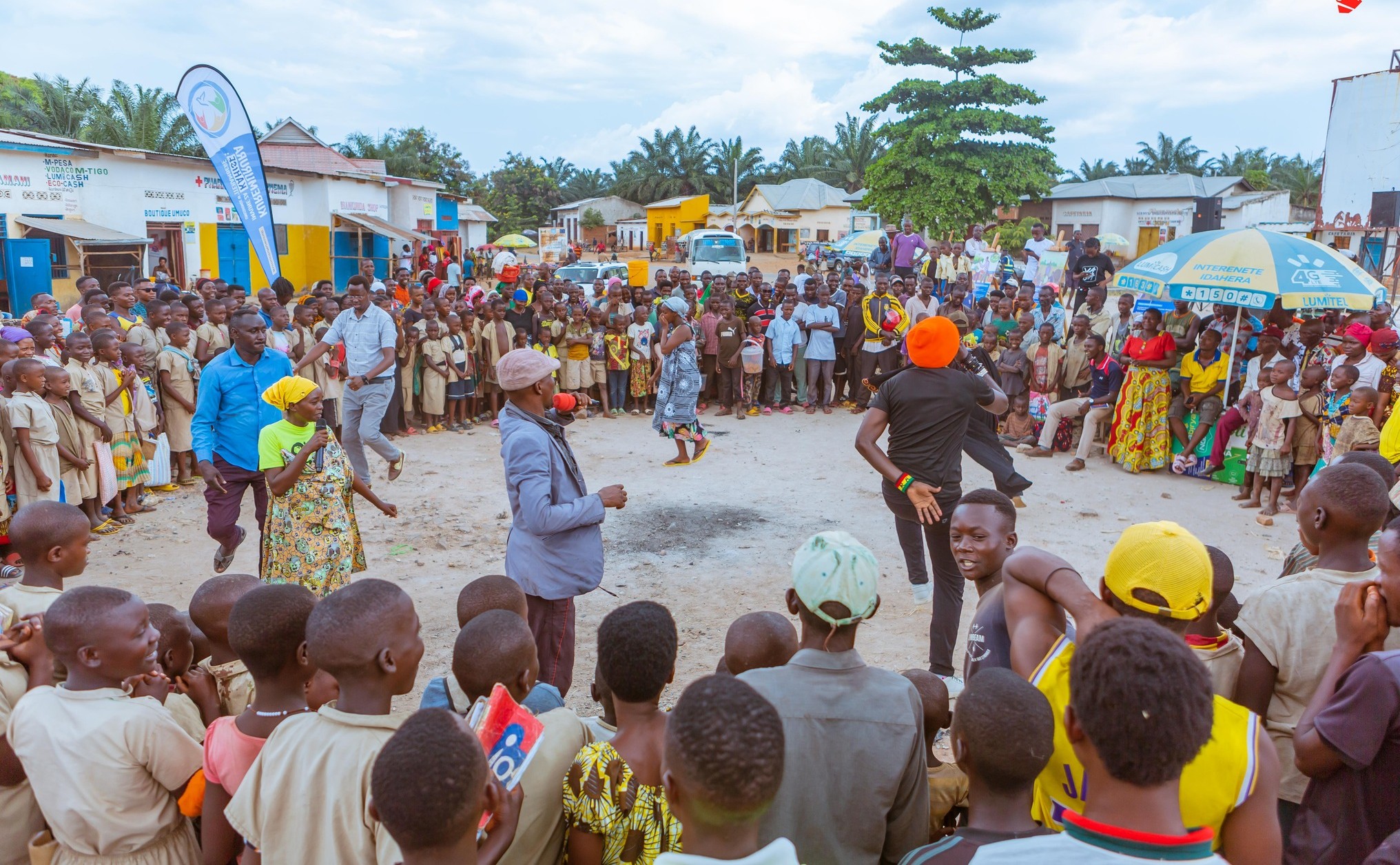
Within this broader framework, the psychoeducation campaign had a specific and ambitious goal: to break the taboos surrounding trauma, normalize conversations about healing, and build momentum for both community-based psychosocial support and national-level policy advocacy. Between 2023 and 2025, the campaign reached more than 2.4 million people across the country through radio, theatre, storytelling, social media, and community events. It created spaces for individuals to reflect on their experiences, learn about trauma and resilience, and begin conversations about healing. Psychoeducation became both a mirror and a bridge: a mirror reflecting the hidden pain many carry, and a bridge linking individuals, communities, and decision-makers in a shared pursuit of recovery and reconciliation.
This report presents the lessons learned from the campaign. It highlights successes, challenges, and pathways for strengthening future psychoeducation interventions. Above all, it underscores that healing trauma is not only about reducing suffering—it is about restoring dignity, rebuilding relationships, and enabling communities to unlock their potential for peace and sustainable development.