The climate crisis is not only an environmental challenge. In fragile and conflict-affected settings, it is also a crisis of governance, livelihoods, trust and peace.
Climate change, environmental degradation and biodiversity loss intensify existing pressures on communities already affected by violence, displacement and weak institutions. Competition over water, land and natural resources, the erosion of livelihoods, climate-induced mobility, and unequal access to adaptation support deepen grievances and strain relationships between communities, authorities and institutions. 17 of the top 25 countries most exposed to climate are experiencing conflict, illustrating the scale and urgency of these compounding vulnerabilities. Yet climate action that is inclusive, locally grounded and conflict-sensitive can do the opposite, creating opportunities to strengthen cooperation, rebuild trust and support more resilient societies.
The critical question is not whether to invest in climate adaptation in fragile settings, but how. Climate responses that ignore conflict dynamics, bypass local governance structures, or exclude communities from decision-making will not only underperform, they risk deepening the very tensions they are meant to address. Effective climate action in contexts shaped by violence, fragility and mistrust depends fundamentally on people, politics, institutions and relationships. Technical and financial solutions alone are not enough.
This approach also responds to a persistent structural gap. The countries and communities most exposed to the combined impacts of climate change, fragility and conflict consistently face the greatest barriers to accessing climate finance. While annual SDG and climate investment needs in developing countries are estimated at $4.5 trillion and $1.5 trillion respectively, only 20 to 25% of these needs are funded, and development finance is providing and mobilizing less than 6% of the rate required. Fragile and conflict-affected states receive considerably less funding for climate resilience per capita from vertical climate funds, averaging USD 10.8 per person, compared to USD 161.7 per person in non-fragile states. High real or perceived risks, weak institutional capacity, complex access requirements and investor aversion mean that climate finance frequently fails to reach the places where it is most urgently needed. By bringing peacebuilding analysis, local legitimacy and long-term relationships with communities and institutions into climate finance and resilience efforts, we work to help close this gap.
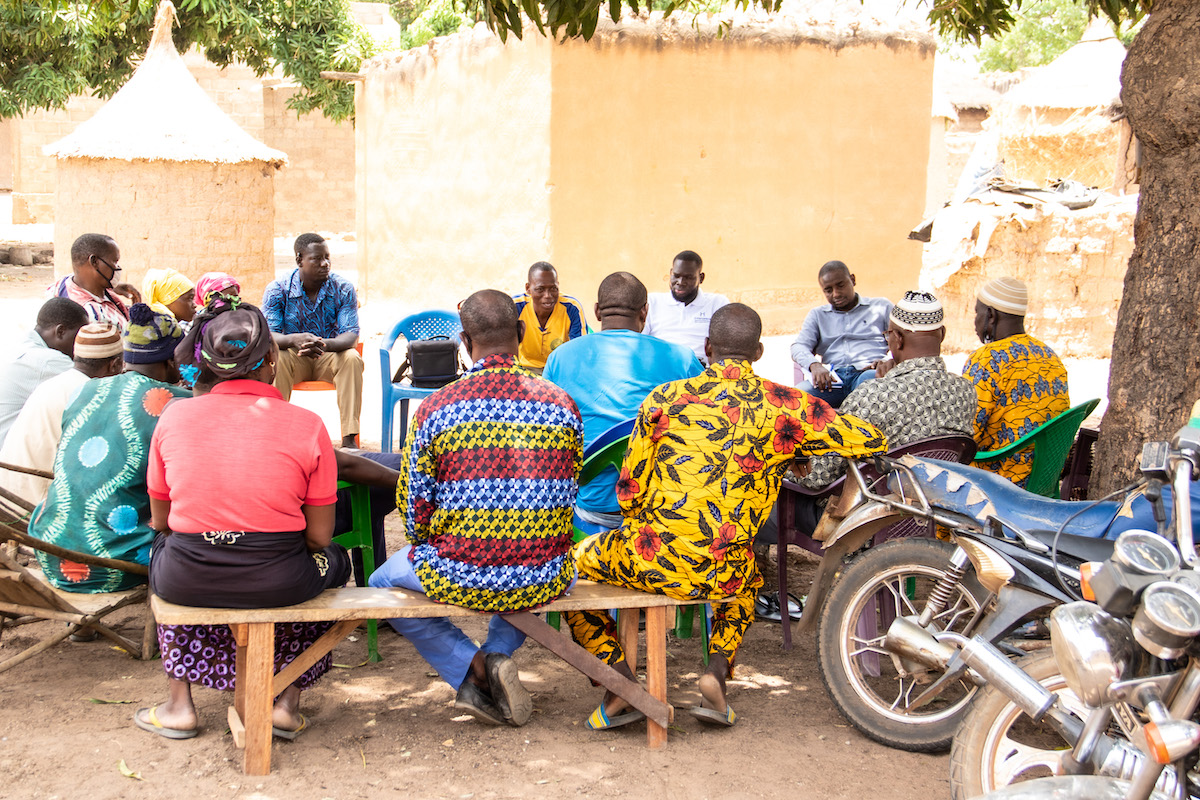
As part of our Peace Responsiveness approach under the Strategic Framework 2026–2030, our work on Climate Resilience for Peace helps ensure that climate adaptation, resilience-building and climate finance are designed and delivered in ways that actively contribute to peace. We work alongside humanitarian, development and climate actors to embed conflict sensitivity and peace-building analysis into their programming, helping partners understand how climate risks interact with conflict dynamics, identify entry points for strengthening social cohesion and institutional trust, and ensure that the communities most affected by both climate change and conflict are meaningfully included in decisions that shape their futures.
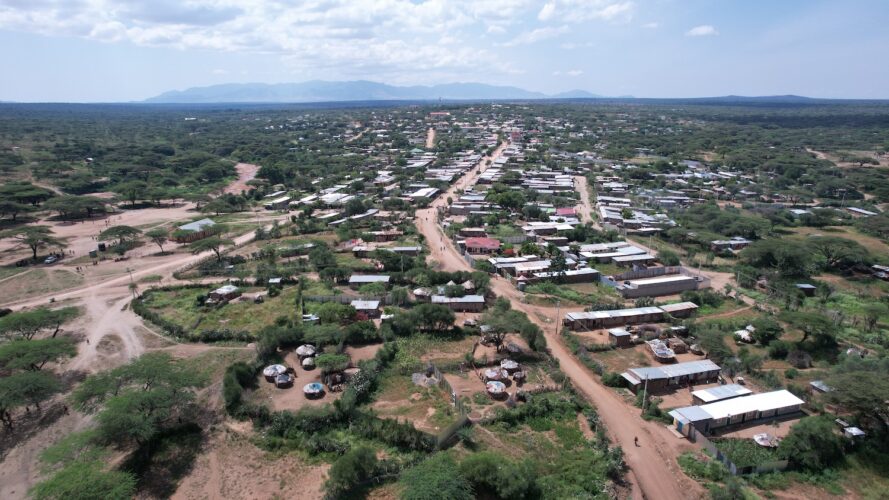
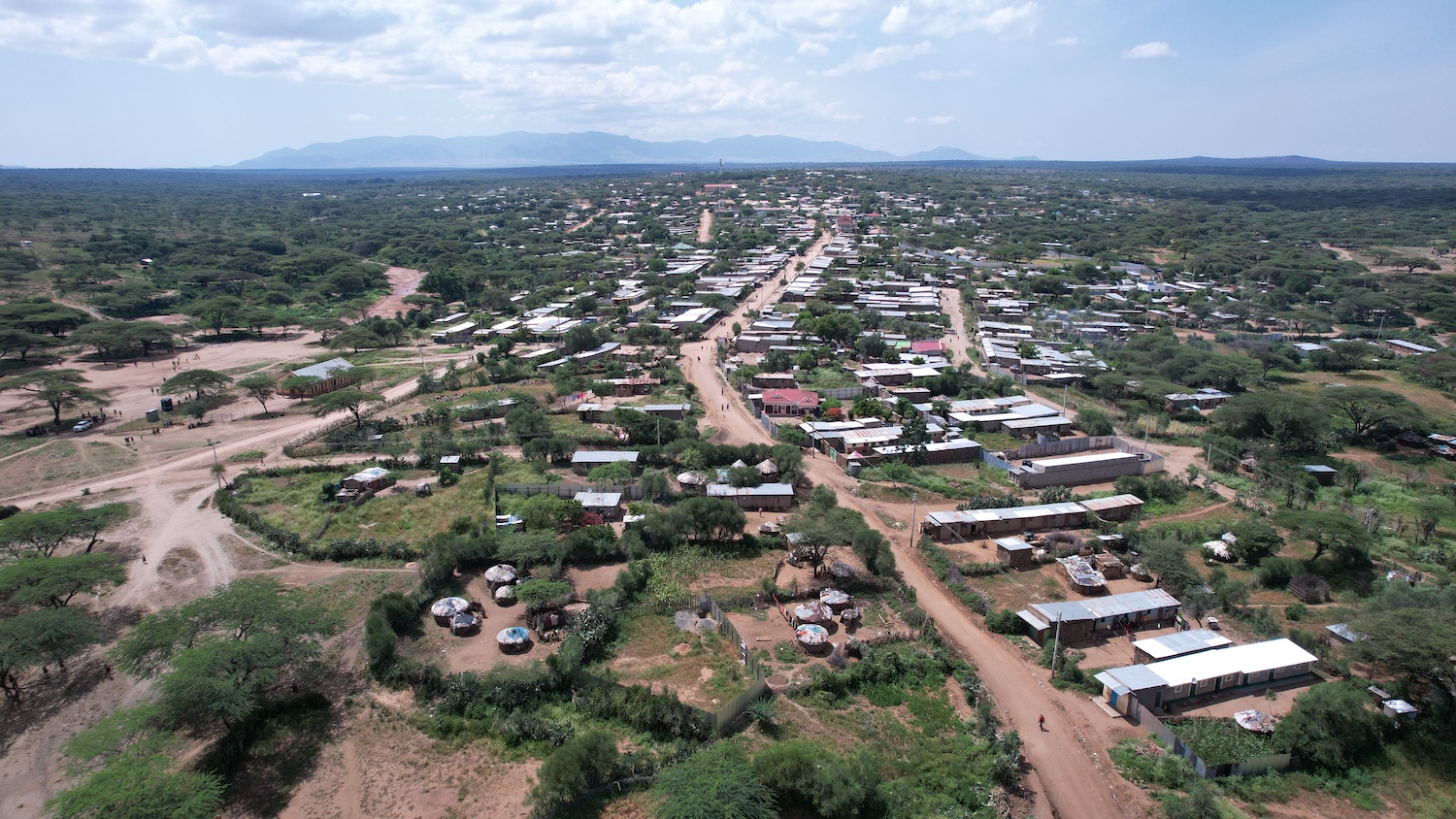
Across our programmes in Somalia, Kenya, the Great Lakes, Mali and Côte d’Ivoire, we see directly how climate stressors interact with the drivers of conflict: competition over water and pastoral land, displacement-related tensions, disrupted livelihoods, and the weakening of local resource governance systems. These are not separate problems with separate solutions. Addressing them requires the same foundations that underpin sustainable peace: trusted relationships, inclusive processes, legitimate institutions and community ownership. Peacebuilding expertise is not an optional add-on to climate action; it is a prerequisite for climate responses that are legitimate, inclusive and sustainable. It is precisely this integration of peacebuilding analysis, community legitimacy and long-term field presence that positions us to help bridge the gap between global climate commitments and the communities that need them most.
The Baku Climate and Peace Action Hub
Launched at COP29 in November 2024 through the Baku Call on Climate Action for Peace, Relief and Recovery; co-led by the COP29 Presidency alongside Egypt, Germany, Italy, Uganda, the United Arab Emirates and the United Kingdom, the Baku Climate and Peace Action Hub is a cooperative platform designed to help translate global commitments on climate, peace and security into practical action in fragile and conflict-affected settings. We serve as implementing partner to the Hub.
Our role reflects what we bring to this agenda. Three decades of community-rooted peace-building across some of the world’s most fragile contexts have given us the long-term relationships, contextual depth and convening capacity that this work demands. We understand not only the climate risks communities face, but the conflict dynamics, governance challenges and social relationships that determine whether climate action will succeed or fail. And we have experience translating that understanding into policy frameworks, investment structures and financing mechanisms that work in practice, not only in principle.
Building on commitments made at COP27 and COP28, the Hub connects national, regional and international actors across the climate, peace, humanitarian and development sectors. Its work focuses on unlocking access to climate finance for conflict-affected contexts, designing financing approaches that are sensitive to political, social and conflict dynamics, and strengthening local and national capacities so that global climate mechanisms align with community needs and national priorities.
Its ambition is not only to bring more finance to fragile settings, but to ensure that climate finance contributes to peace rather than inadvertently reinforcing the inequalities, grievances or exclusions that drive conflict.