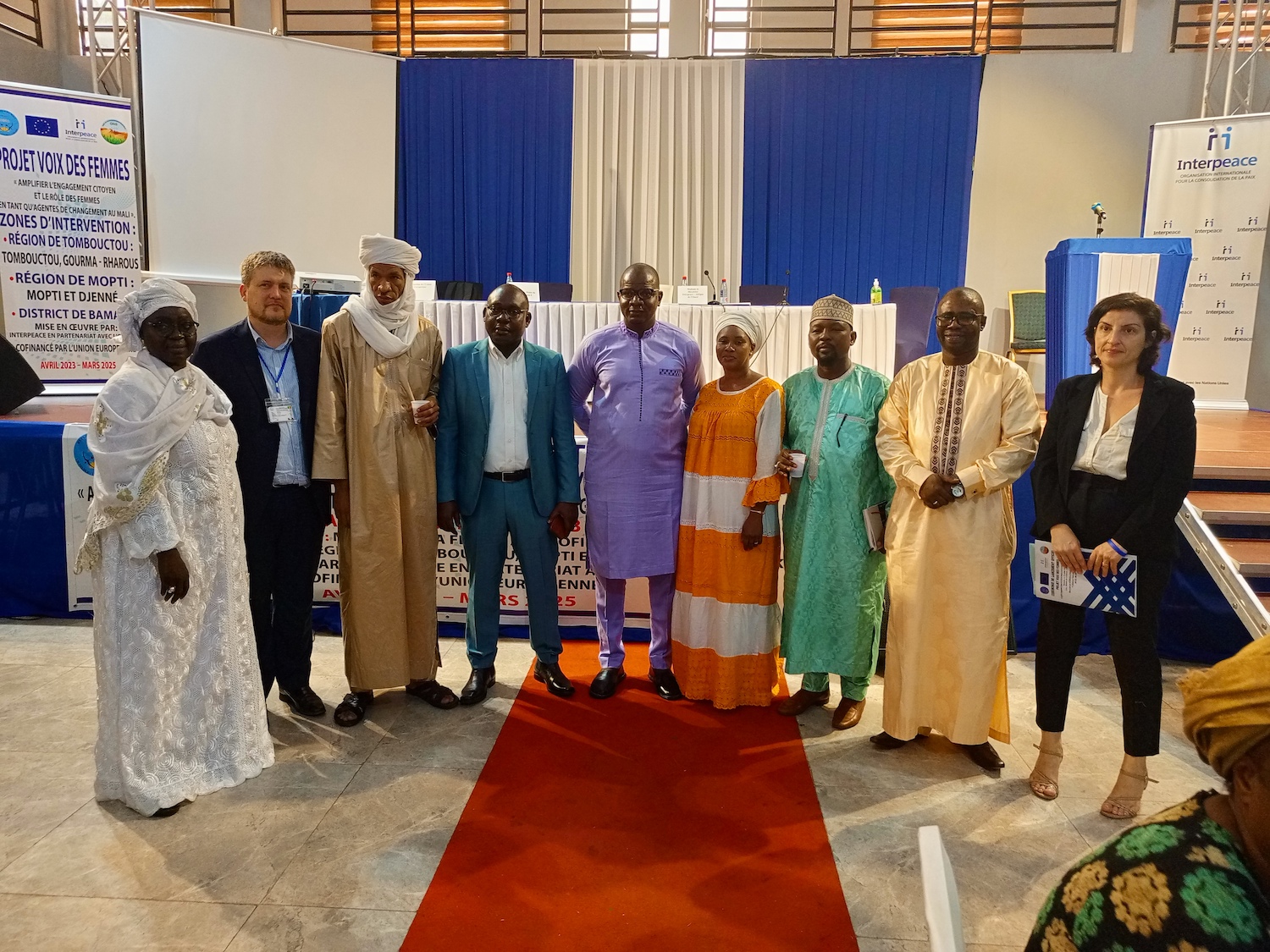
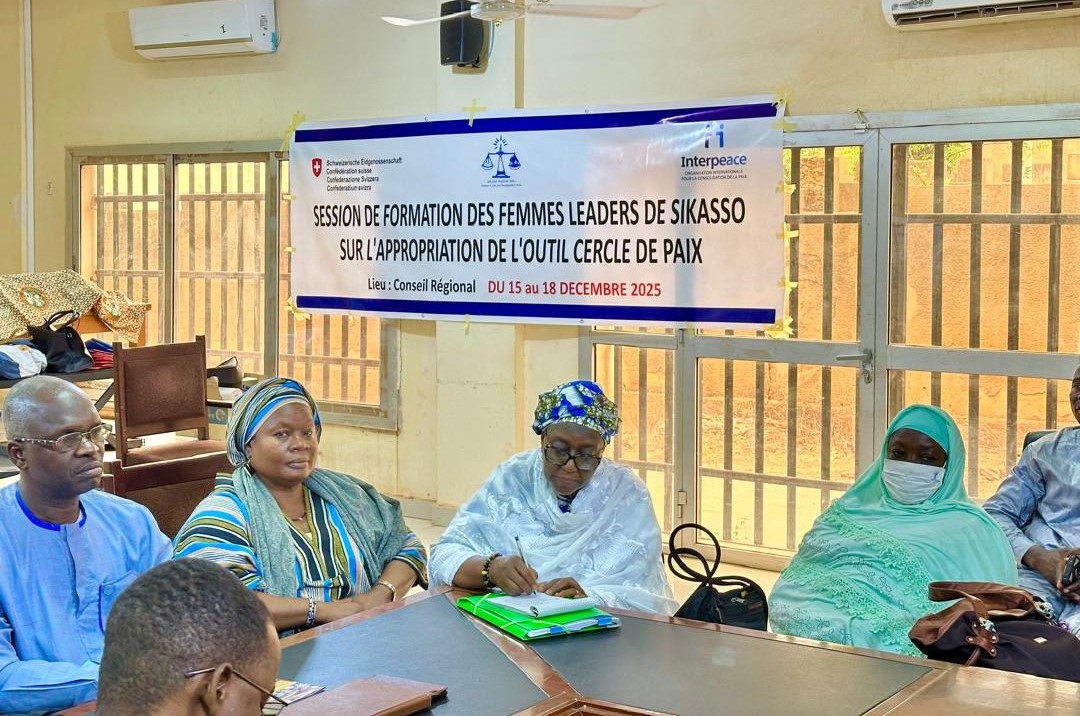
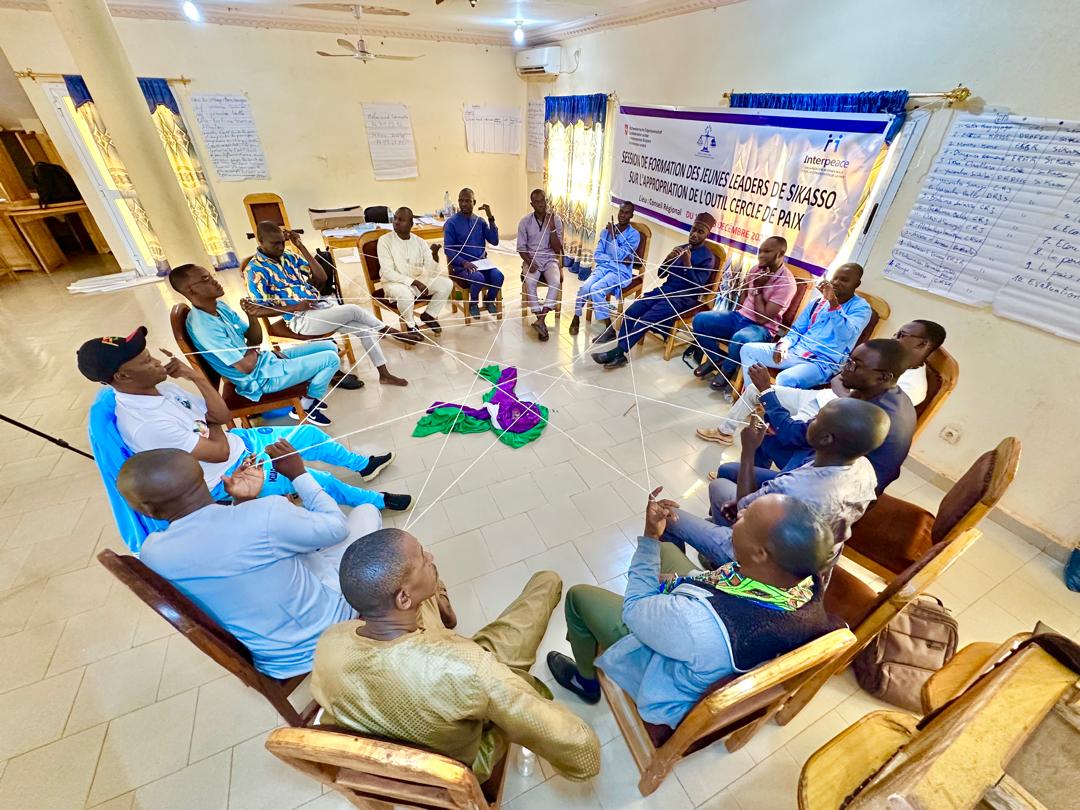
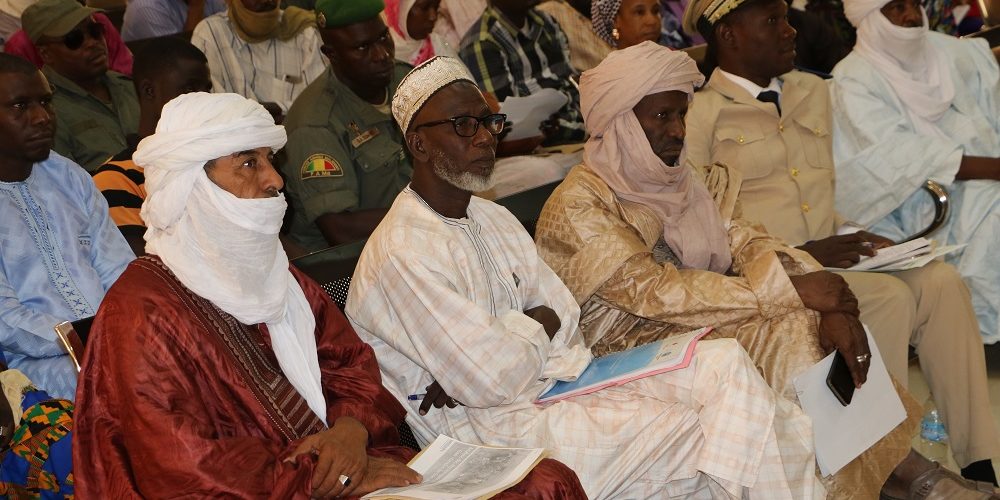
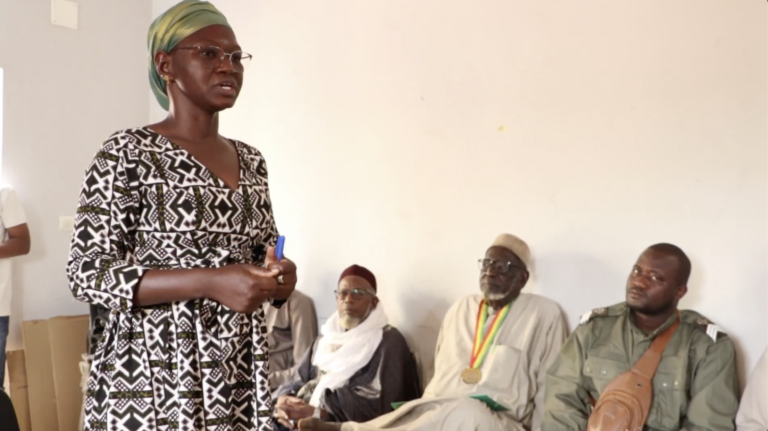
2013 – Following the establishment of Interpeace’s Mali office, the joint “Agenda for Peace in Mali” programme is launched together with the Institute Malien de Recherche Action pour la Paix.
Mali
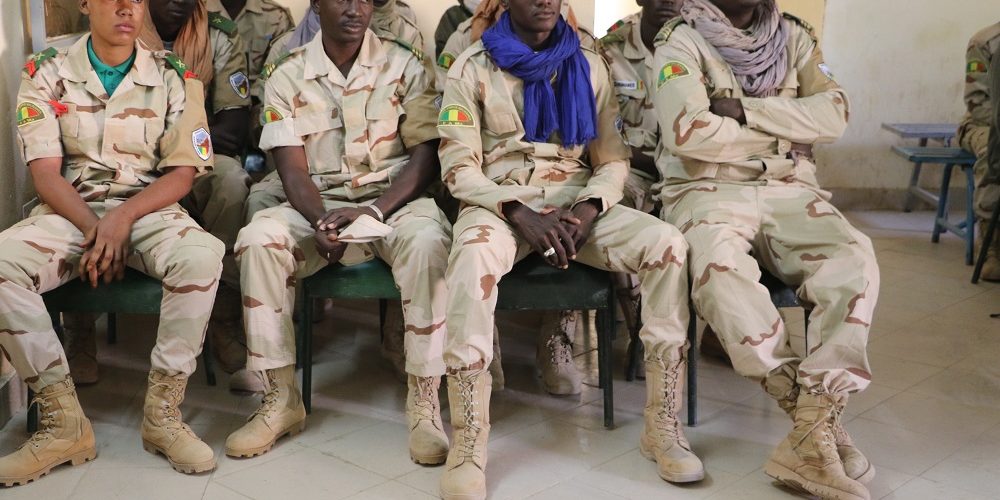
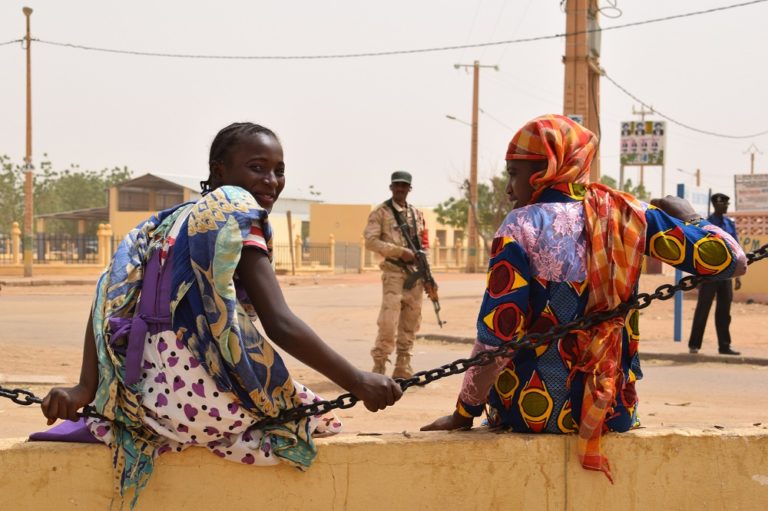
Mali continues to grapple with instability accelerated by the occupation of its northern regions by armed groups, the withdrawal of the United Nations peacekeeping mission, and Mali’s departure from the Economic Community of West African States.
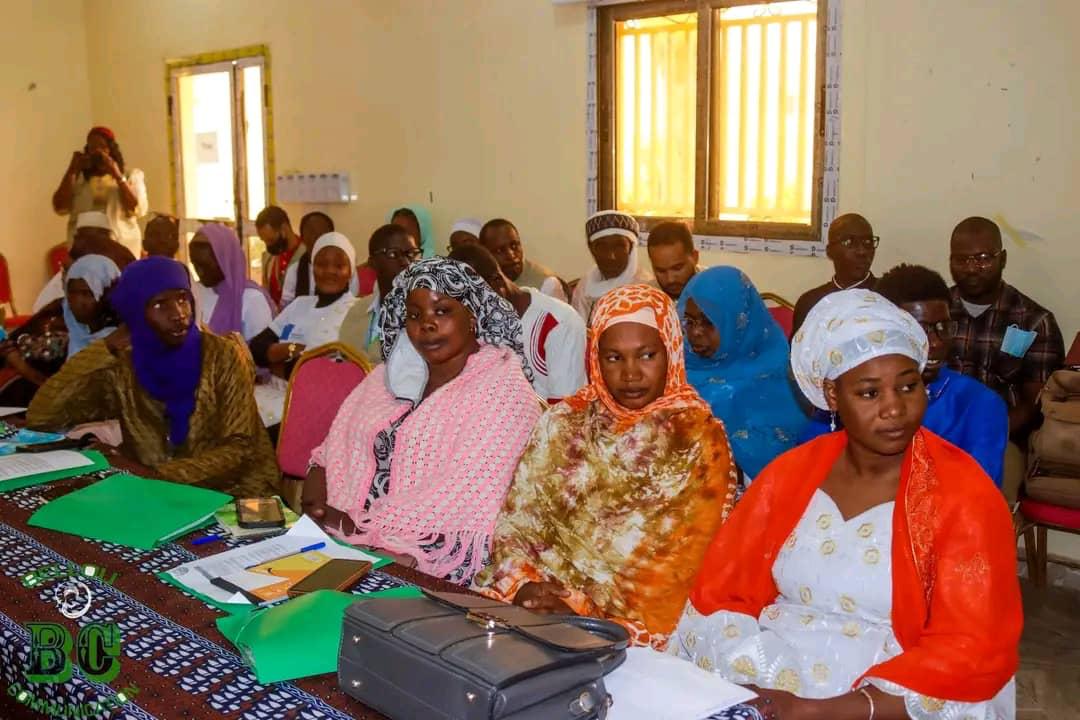
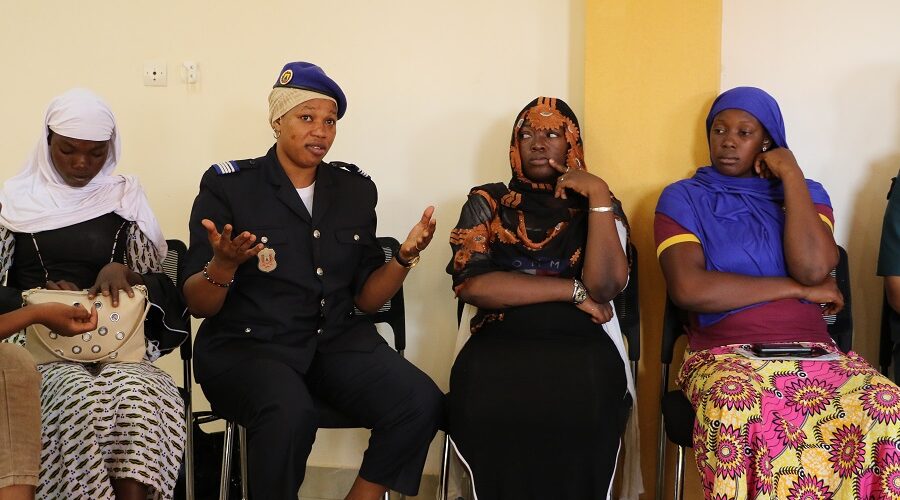
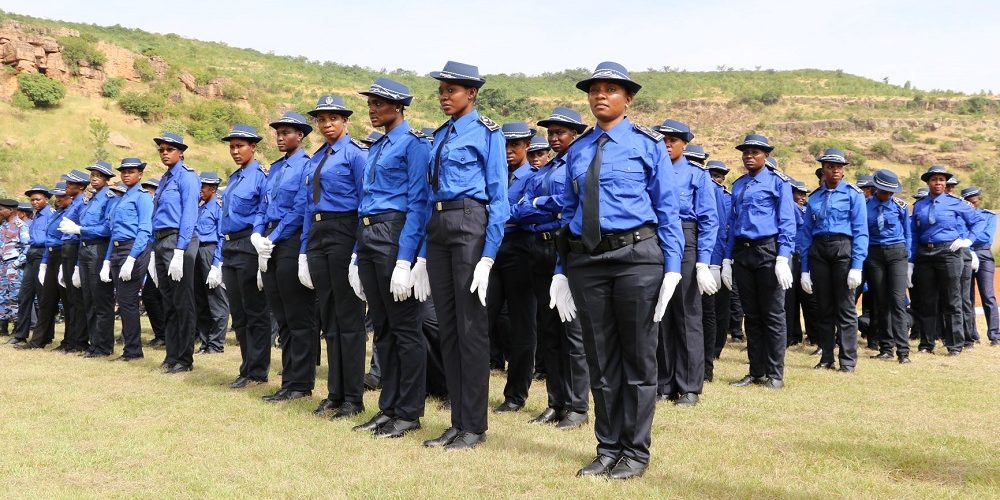
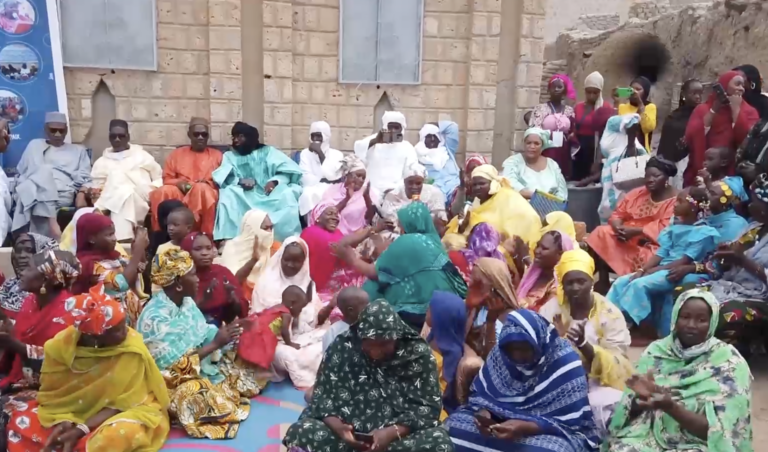
Following broad inter-Malian dialogues in 2024, the government developed a National Action Plan and a National Charter for Peace and National Reconciliation aimed at addressing the needs of its citizens, while operationalising initiatives on peace, governance, security, social cohesion, and sustainability. Despite gains, women’s civic engagement remains constrained due to socio-cultural norms, low levels of education, and limited access to decision-making structures. In addition, women-led organisations often lack needed capacities to sustain their activities, thus restricting their ability to contribute to change.