
Table of Contents
Building trust among and between communities and authorities is vital to addressing factors driving conflicts. To prevent the ignition of violence and transform the causes of conflict, we focused on building horizontal trust by strengthening social fabrics and healing within communities, whilst advancing vertical trust by enabling dialogue between communities and authorities.
Social cohesion and trust-building by enhancing horizontal trust
| People reached by social cohesion activities (e.g. sensitisation sessions, intergenerational dialogues, fairs, MHPSS groups) |
55,292 |
| Of which youth | 11,229 |
| Of which women | 14,510 |
| People trained (e.g. on mediation, human and women’s rights, project management, advocacy, disinformation) |
5,137 |
| Of which youth | 868 |
| Of which women | 1,009 |
Note: Some activities, especially those engaging a higher number of people, such as mass sensitisations or fairs, do not have a comprehensive count of women and youth participants. As a result, the share of women and young people is underreported. The above figures also exclude large-scale media campaigns reaching millions.
To build trust in conflict-affected regions, we enabled the following change:
Interpeace focused on building trust and resolving conflicts between farming and herding communities by supporting community mediation activities across six localities. The engagements brought representatives of the conflict parties together in a space managed by our local partner, Voz di Paz, and supported the parties in gradually forming a profound understanding of their respective challenges and expectations through constructive, peaceful, and inclusive dialogues. These mediation processes engaged more than 850 individuals at the community level, including pastoralist and farmer associations as well as local institutions. The programme successfully contributed to the improved management of agro-pastoral conflicts at the local level and, for example, enabled four formal agreements ensuring practical, tangible solutions to conflicts and tensions. By agreeing on permanent dialogue mechanisms and enshrining a shared farming area co-managed by the group, the process created legitimate, community-owned and managed solutions. Through regular preventative actions and activities, loss of cattle, destruction of crops and physical aggression between parties was reduced and has a trajectory of being managed in the future.
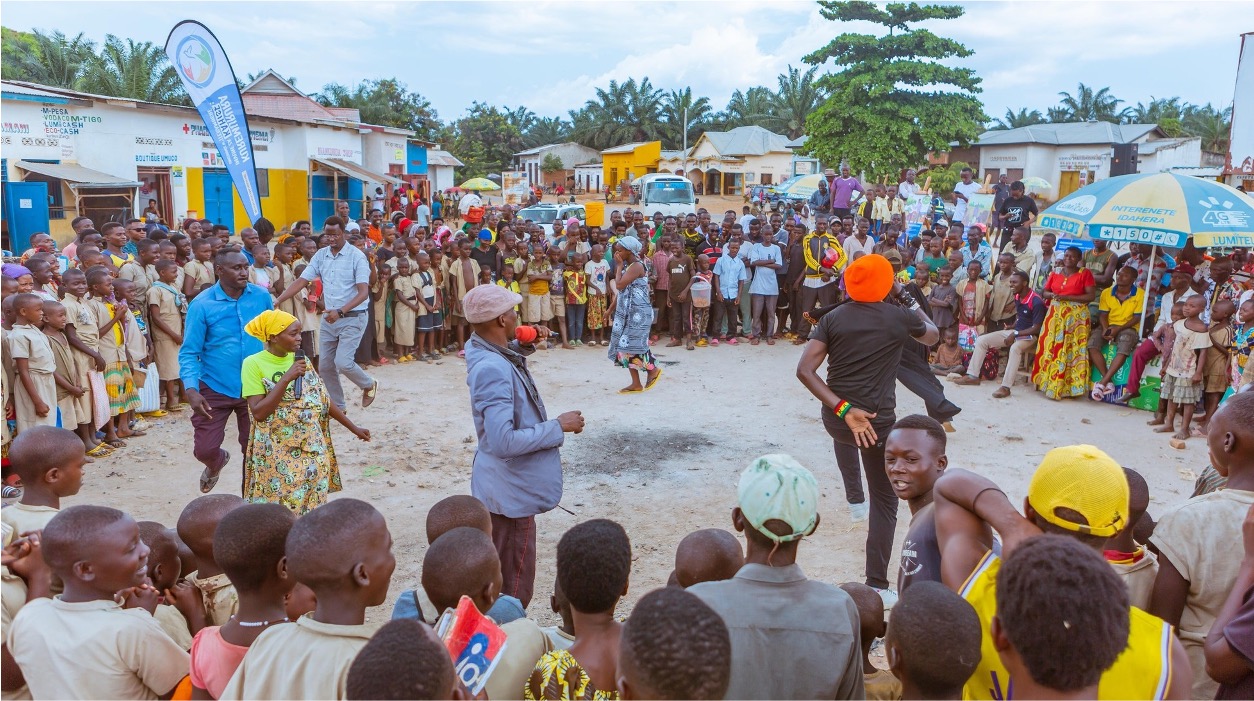
Interpeace refined its Mental Health and Psychosocial Support (MHPSS) model by highlighting the interlinkage between psychosocial recovery and health with social cohesion. The evidence-based approach built on the knowledge that those able to manage emotions and with lower rates of depression and Post-Traumatic Stress Disorder (PTSD) are less likely to re-enter generational cycles of violence and are more resilient to conflict. Five mutually reinforcing interventions merged MHPSS with peace mediation initiatives:
The programme reported an average increase in emotional wellbeing among participants by 24%, and self‑management capacity by 30%. Moderate‑to‑severe depression fell from 22% to 13%, anxiety from 37% to 22%, and PTSD from 28% to 6%.
“I used to cry without understanding why. In the group, I learned to talk about my pain, and now I feel light. I no longer fear meeting those from the other side.”
Woman survivor, RwandaA mental-health approach was integrated in higher education with a focus on gender, trauma healing, and schooling. Operating amid conflict-related displacement and with at-risk young women, the initiative established structured dialogue, psycho-education, and socio-emotional learning opportunities, helping over 100 families address gendered bias and trauma. Enabling long-term individual and community impact, the intervention nurtured post-traumatic growth, resilience, a sense of community, and a sense of spiritual connection, with notable reduction in alcohol and substance abuse among the youth.
Supporting and strengthening inclusive governance and national structures by building vertical trust
| Number of State- and local-level authorities engaged in programming towards more inclusive and participatory governance | 58 |
| Number of programmes that engaged security forces (e.g. Armed Forces, Police Forces) as main interlocutors | 5 |
To support inclusive governance and national structures leading to enhanced trust, we enabled the following change:
The Voix des Femmes initiative addressed the exclusion of women from governance and peace processes in central and northern regions by strengthening the agency of women leaders and women’s organisations to influence local decision-making and peace efforts. Implemented in close collaboration with stakeholders in local and national governments, approximately 50 women joined local committees or consultative bodies, while hundreds initiated civic actions from awareness campaigns to conflict mediation and public meetings. The work of the regional and national networks culminated in a forum in Bamako, where a collective advocacy note was drafted, and national recognition and funding were secured to sustain action plans created during the programme. The initiative successfully and drastically improved the relationship between State authorities and populations, as well as increased the potential of future policies and decisions being more inclusive, gender-responsive, and sustainable.
Community mediators trained by us and partners were formally recognised as Hill Notables, including women and young people, integrating them into established frameworks of local governance. Due to their newfound legitimacy, the Hill Notables successfully facilitated peaceful agreements for 82 community-level conflicts. Furthermore, institutional responsiveness was evidenced by four cases where authorities implemented community recommendations, including parliamentary advocacy for a national trauma management framework and local administration interventions in land and property disputes.
Based on research underscoring the widely spread perception that the police and justice institutions are ineffective, inaccessible, and subject to political or clan influence, we integrated Transitional Justice approaches and initiatives into our programmes in the country. Furthermore, our programmes built the capacities of 200 community-level legitimacy carriers or elders, while strengthening inclusivity through the training of 205 women and youth mediators. The combination of trainings, public communications, and the adoption of new policies and approaches by media institutions strengthened local mediation capacities and enabled a shift in public discourse towards constructive dialogue. Together, the changes improved the normative environment for reconciliation and accountability.

