Table of Contents
Across contexts and countries, our programmes are guided by the premise that locally-led peace efforts are the most sustainable and effective mechanisms to transform conflicts. This is why we prioritise local networks as collaborating partners as well as build trust and strengthen social cohesion, both within communities and towards authorities.
| Number of local peace committees and structures established | 128 |
| Number of locally-led conflict prevention activities supported | 673 |
Expanding locally-led conflict transformation approaches
Our work with local peace networks root conflict transformation within communities and decision-makers. In 2025, we strengthened locally-led conflict transformation approaches in:
We supported 15 local peace committees across 12 districts, creating a strong national network of peace actors. The network’s breadth was the outcome of half a decade of work now encompassing more than 300 individuals providing mediation and conflict prevention support across the country. Due to the credible network and the initiatives implemented under the programme, tensions were actively resolved and disputes prevented. For example, in communities in Tiébissou hosting large migrant worker diasporas from Benin, formerly adversary groups began calling each other “brothers and sisters”. In Didoko, young people who had perpetrated violence against political opponents during electoral cycles found themselves engaged in conflict transformation committees promoting peaceful means of change.
17 local peace structures, including Ceasefire Monitoring Committees, County Peace Actors Forums, Working Groups, and Women Resolution Committee, were convened in joint mediations, especially on questions relating to land and water use. The outcomes of these mediations included the voluntary surrender of more than 500 firearms and the return of more than 600 livestock animals. Furthermore, 118 violent incidents were reported during the first half of the year, with local peace structures responding to 84% of the incidents through dialogue, coordination, and informal ceasing of hostility agreements. In July, a historic peace accord was signed between the Gabra and Dassanach communities in Illeret Ward, marking a significant milestone in the resolution of a decades-long conflict. The Principal Secretary for Interior, Dr Raymond Omollo, presided over the signing ceremony, with 105 community members, the Deputy Governor, the Member of Parliament for North Horr, and other dignitaries also present.
Different consultative committees, dialogue commissions, and territorial peace mechanisms consisting of 154 members, including 38 women, were mobilised to lower the risk of local tensions and escalations. Furthermore, close to 200 individuals ranging from State actors, local leaders, young people, and women were engaged in the activation of conflict transformation groups consisting of customary conflict commissions and local security committees. By identifying conflict dynamics, planning mediations, and coordinating peace efforts with official provincial stabilisation structures, we helped anchor conflict transformation approaches into legitimate, pre-existing local infrastructures.
"We are not seeing a reduction in violence yet. However, the way actors have been engaging with each other makes us believe things can finally go in the right direction."
Member of a consultative peace committee, DRCCreating grounding infrastructures and implementing tangible action beyond traditional peacebuilding
To strengthen foundational infrastructures enabling peace, Interpeace supports locally-led peace committees by providing management and delivery systems. In many of the contexts we work in, the resulting peace outcomes expand beyond classical peacebuilding. In 2025, we enhanced peace and resilience through:
In Côte d’Ivoire, peace committees were trained in election observation and incident reporting and mobilised in the run-up to the legislative and presidential elections in October and December 2025. Approximately 75% of the 483 volunteer observers monitoring the elections and facilitating local mediations were part of peace committees. The system recorded 41 violent incidents during the parliamentary elections and 35 incidents during the presidential elections. In response, 34 rapid response actions defusing tensions were carried out during parliamentary elections and 22 during presidential elections. The effectiveness of the multi-stakeholder coordination, combined with relevant responses provided by the committees, created an essential lever to strengthen prevention mechanisms ahead, during, and after the politically tense period. Several local authorities regarded the approach as a success thus providing a modus operandi for the future.
“Elections will pass and we will always have president. We may not like them, but let us make room for dialogue to better understand before acting. Let us follow the example of the members of the peace committees.”
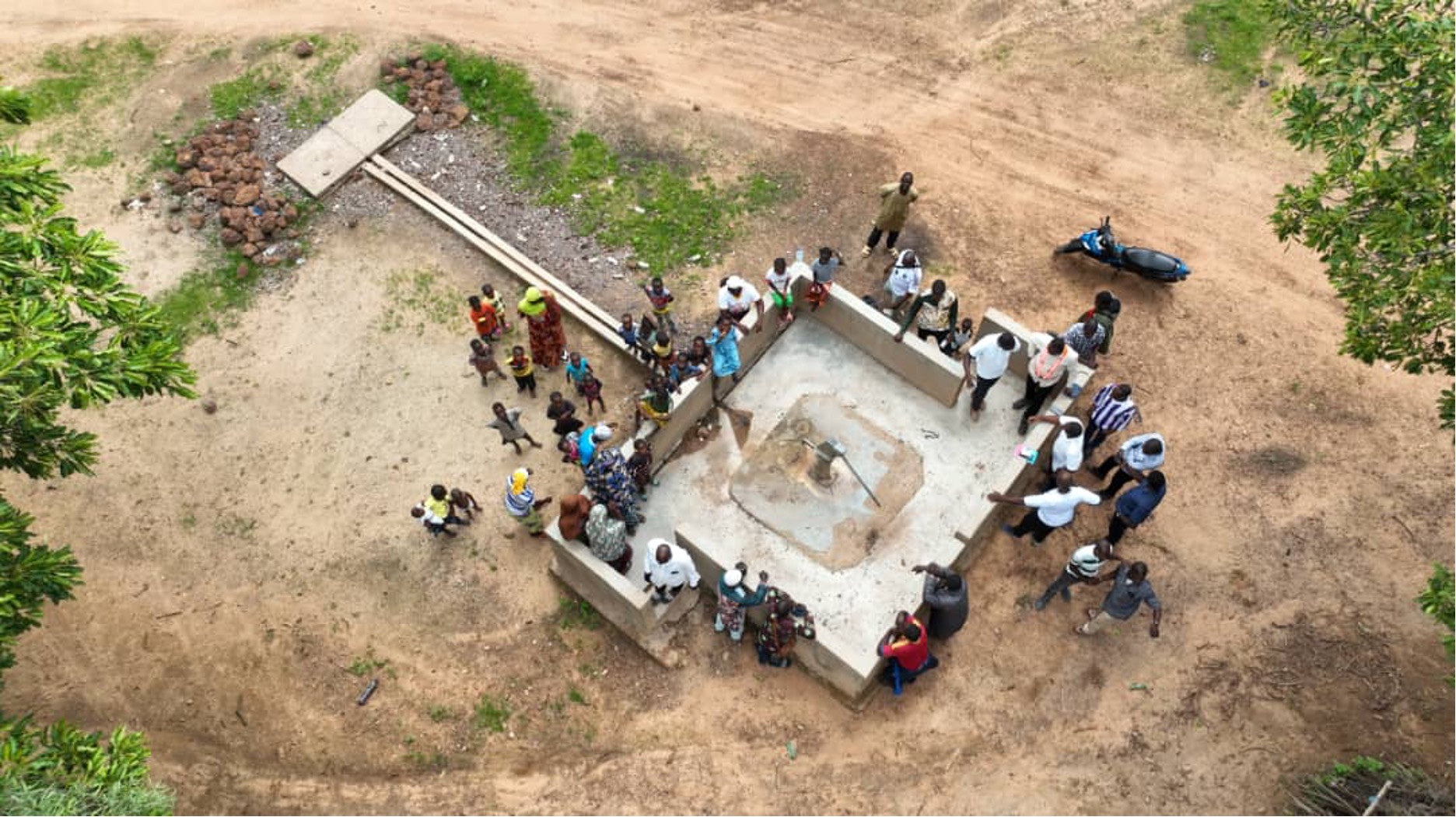
Local authority Madame the Prefect of Séguéla, Côte d'IvoireIn the economically underserved Sahel region at the border of Northern Côte d’Ivoire, South Mali, and Western Burkina Faso, 14 infrastructures, including water pump systems and communal spaces, were rehabilitated or built to support conflict transformation and the peaceful management of natural resources. Recognising the conflict potential of such infrastructures, peace committees were formed before construction and engaged in implementation, acting as relays of community needs and managers of the common goods. The approach was later disseminated to the DRC, where peace committees composed of local authorities, customary leaders, women, and youth representatives oversaw the use, maintenance, and governance of relevant infrastructures.
Rwanda and Burundi share a history of compounded trauma and rural economic vulnerability, together creating a flammable set of conflict conditions. In Rwanda, community sociotherapy, coupled with collaborative livelihood protocols, such as collective farming and joint infrastructures projects, reached 529 participants across 40 livelihood groups, thus tying mental health with economic stability. In Burundi, 430 people benefitted from psychosocial support provided by community facilitators. Furthermore, participants engaged in 11 economic initiatives designed and led by women and youth, that created saving and credit schemes as well as cultivated plots and launched small grain transformation businesses. Finally, the project also fostered cross-community relationships as individuals engaged in healing spaces and economic activities. Through the engagement, peace became the dividend of collaboration and trust.
“When survivors and ex-prisoners decide together which livelihood business to do or how to save money, they stop seeing each other through the lenses of past divisions. They start seeing each other as partners.”
Community facilitator, Rwanda