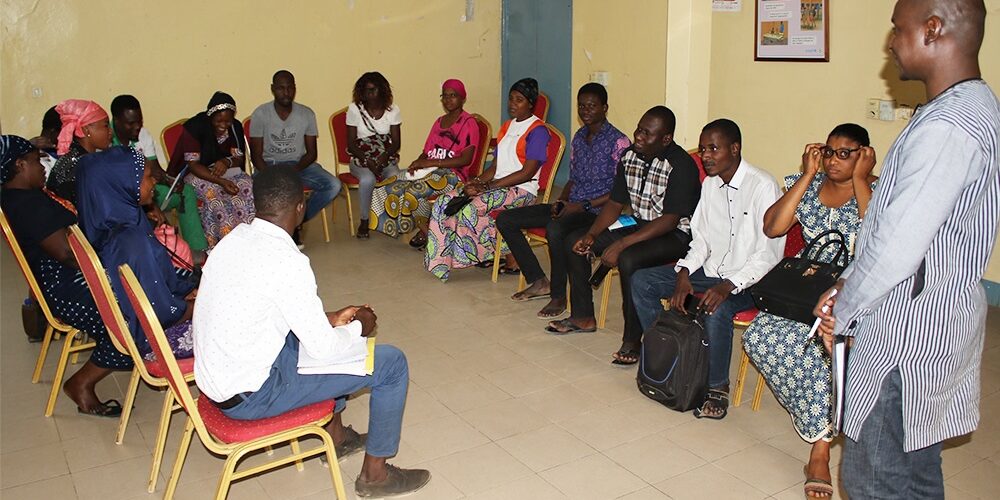
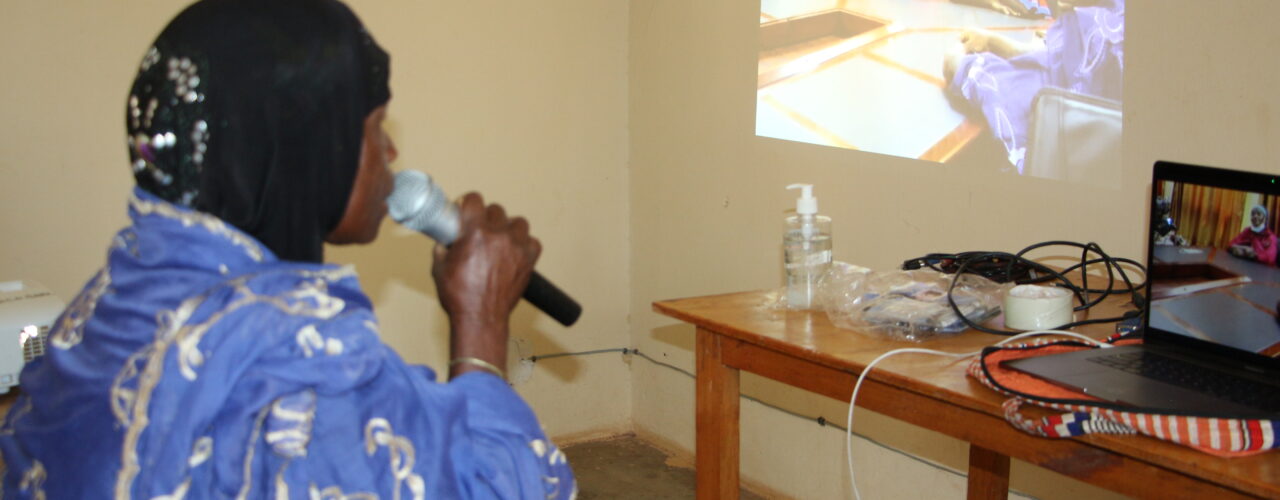
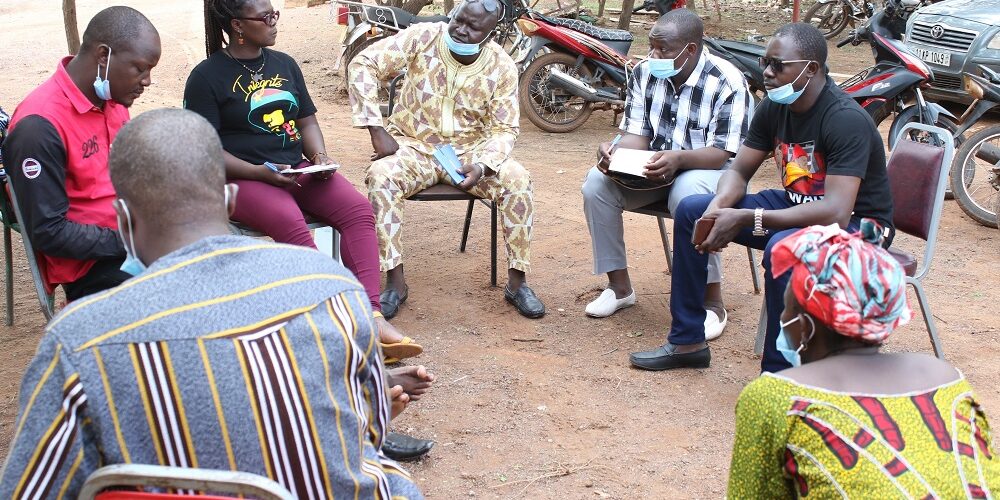
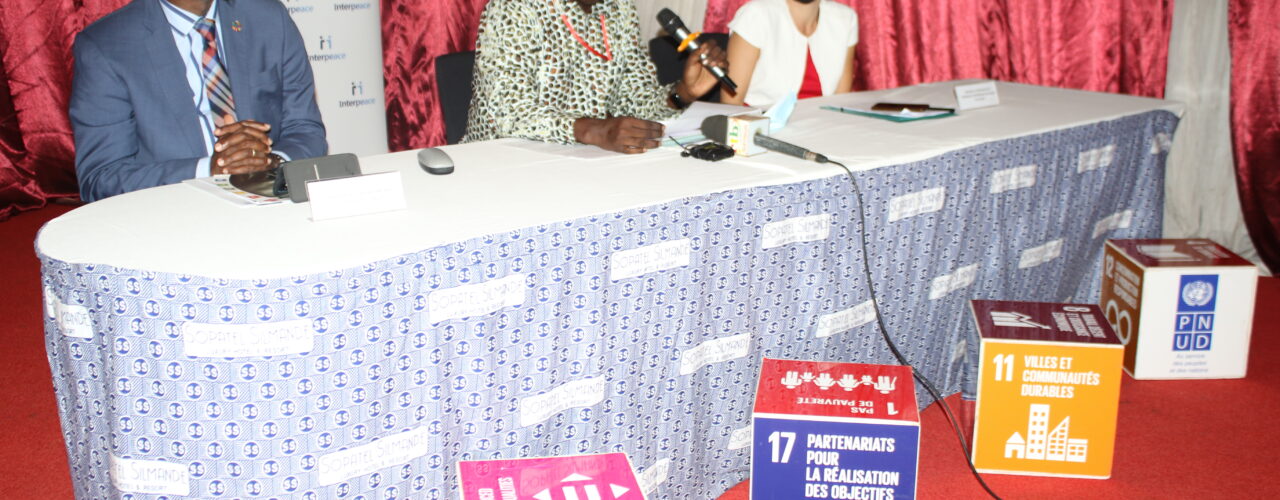
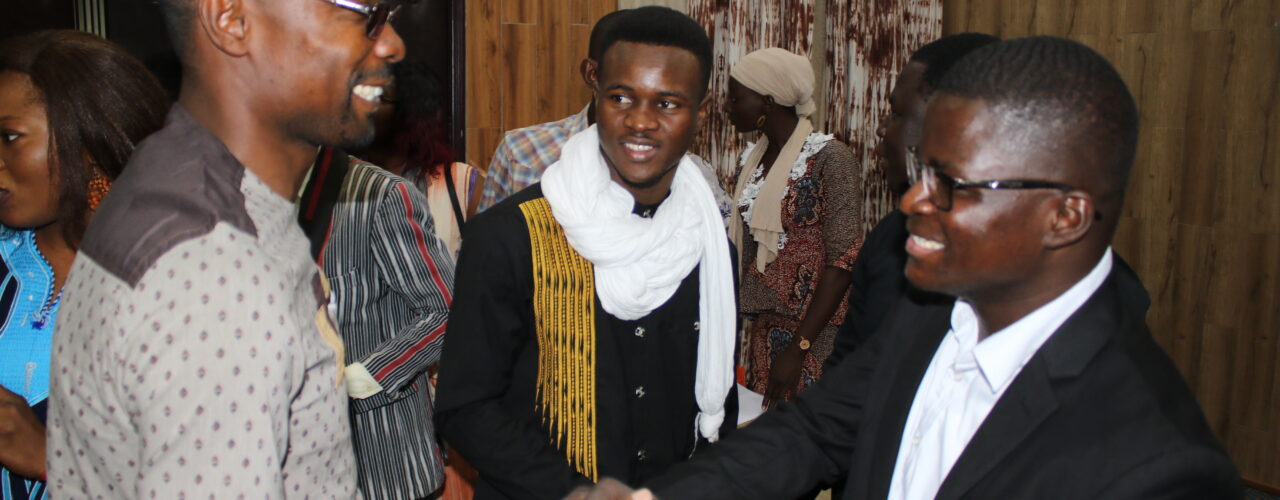
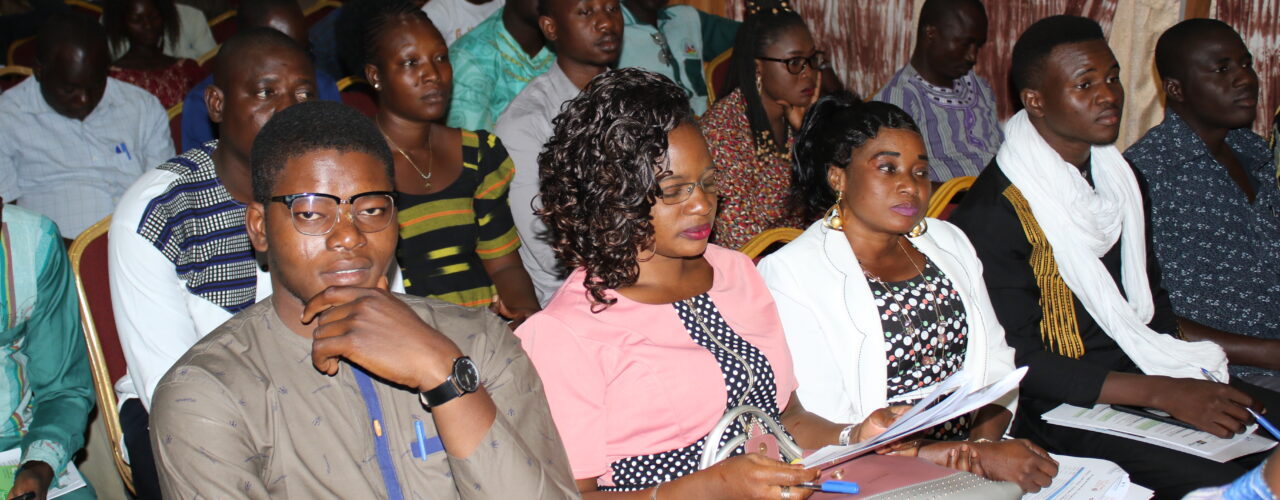
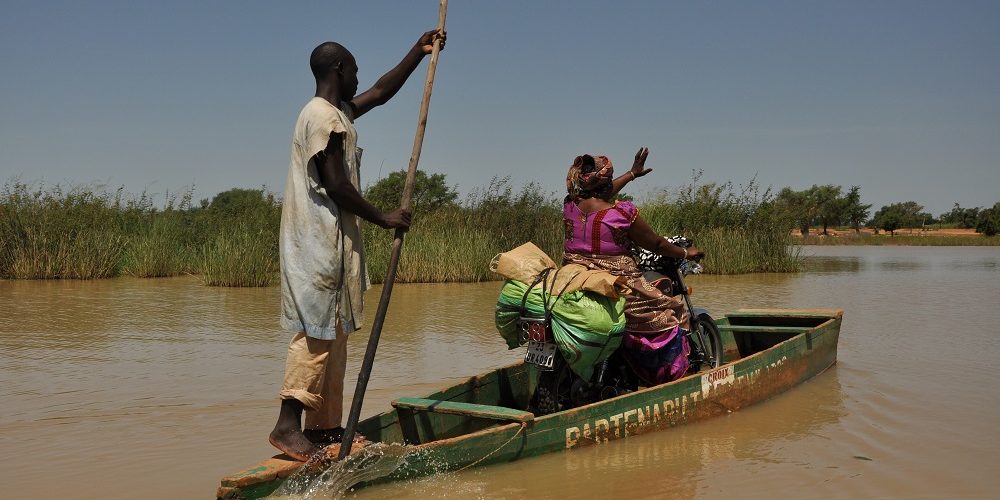
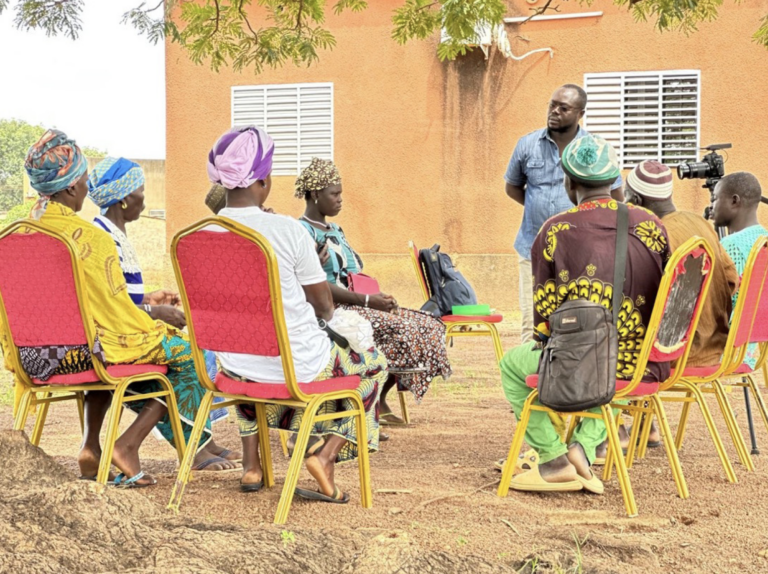
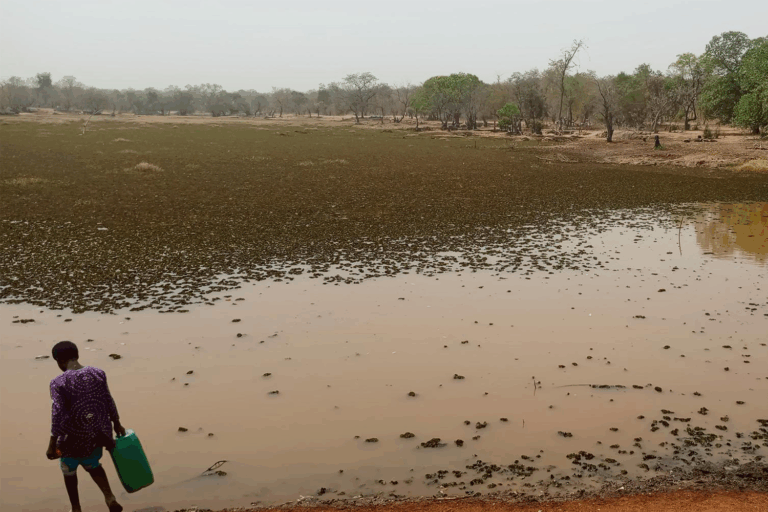
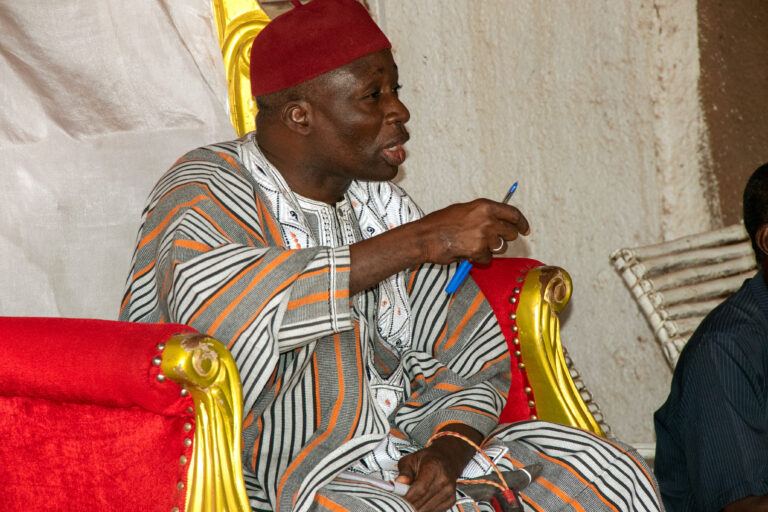
2020 – Interpeace partners with the UNDP and FAO to address resource-based conflicts and conducts a national participatory analysis of conflict drivers.
Burkina Faso
For nearly a decade, Burkina Faso has grappled with a multidimensional crisis marked by coups, armed conflict, political instability, community tensions, and limited economic opportunities. Like many of its neighbours, Burkina Faso has become a hub for violent extremist activity and no-state armed groups with grave implications especially on the youth. Despite existing resilience mechanisms and stabilisation efforts, social and economic realities remain fragile, underscoring the urgent need for coordinated action to restore peace, cohesion, and security.