Regional Consultations in Latin America
Latin America holds a rich history of innovative, locally led peacebuilding practices. Yet the region often remains underrepresented in global policy spaces. This consultation helped ensure that Latin American civil society perspectives, particularly those from grassroots and underrepresented communities, are reflected in the 2025 UN Peacebuilding Architecture Review.
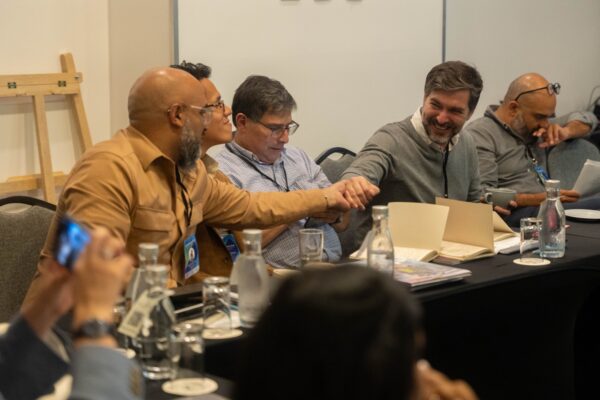
The regional consultation for Latin America, co-organised by Interpeace and Grupo Internacional de la Paz, took place on May 5-6 in Medellín, Colombia. The consultation brought together 25 civil society organisations from 15 countries across Latin America and the Caribbean, representing youth, women, Indigenous communities, minorities, and displaced populations. The consultation brought together organisations from Argentina, Aruba, Brazil, Chile, Colombia, Ecuador, El Salvador, Guatemala, Honduras, Mexico, Nicaragua, Costa Rica, Peru, Uruguay, and Venezuela.
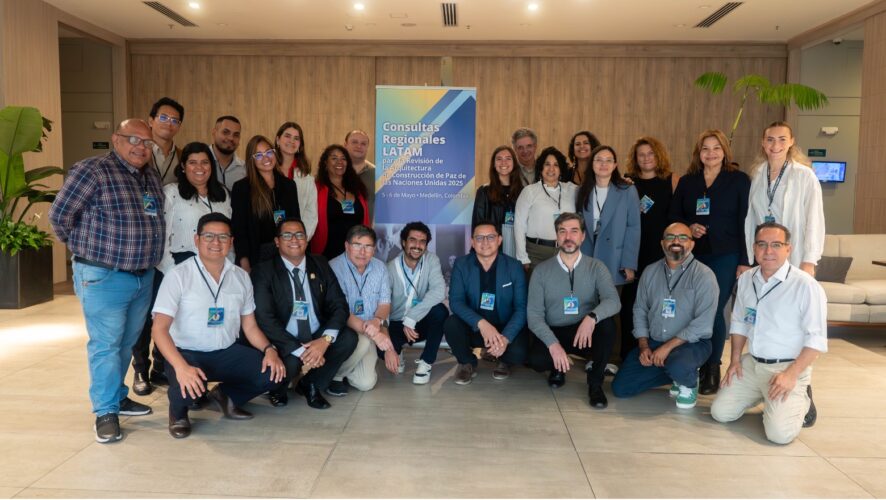
The Latin American consultations clearly voiced the urgent need to decolonise and democratise the UN’s peacebuilding architecture. Participants emphasised that peace cannot be built through technocratic procedures or short-term projects, but through relationships founded on trust, dignity, and ethical collaboration. The 2025 PBAR process must not be a missed opportunity. Instead, it should catalyse a reconfiguration of cooperation grounded in proximity, co-responsibility, and a profound respect for local agency.
The Latin America consultation is part of a broader series of Interpeace’s regional engagements contributing to the 2025 UN Peacebuilding Architecture Review, aiming to ensure that the Review process—and its outcomes—are rooted in local knowledge, reflective of regional priorities, and informed by the lived experiences of those working to sustain peace.
The Latin America regional consultation was structured around three thematic sessions—From the Local to the Global, Rethinking Financing Mechanisms, and Cooperation for Peace and Development. Across these sessions, participants expressed deep concern regarding the limited inclusivity, asymmetrical power relations, and epistemological disconnects characterising the current peacebuilding system. They offered a robust critique of both operational and conceptual aspects of the UN peacebuilding architecture, while articulating concrete recommendations for structural change.
The consultation identified key challenges, including:
Participants emphasised the persistent gap between the UN’s normative frameworks and the complex, everyday realities of peacebuilders in Latin America. UN peacebuilding is often still viewed through the narrow lens of armed conflict resolution, neglecting the broader structural violence and social exclusions that characterise many of the region’s contexts. Moreover, the UN’s global agendas are often shaped through agreements with governments, some of which criminalise or marginalise CSOs. Indicators and policies are imposed without meaningful consultation, perpetuating top-down models of engagement.
Local CSOs face barriers to participation in UN peacebuilding processes due to language, technical complexity, and bureaucratic demands. The lack of transparent communication channels with UN agencies and national governments further exacerbates this exclusion.
There is limited cooperation and mutual support between civil society actors across countries and sectors, reducing the effectiveness of collective advocacy and peacebuilding efforts.
Participants in the consultation underscored the fragmentation of the peacebuilding ecosystem, where siloed approaches continue to dominate international cooperation. This fragmented landscape undermines the potential for systemic, cross-sectoral responses that are crucial for addressing the complex and interlinked challenges facing many communities. Without integrated strategies, peacebuilding efforts risk remaining piecemeal and ineffective.
A growing crisis of legitimacy was also noted, with external actors, particularly international donors and agencies, often lacking credibility due to decontextualised interventions and top-down partnerships. These actors are frequently perceived as disconnected from local realities, engaging in partnerships that do not reflect the priorities or lived experiences of the communities they intend to support.
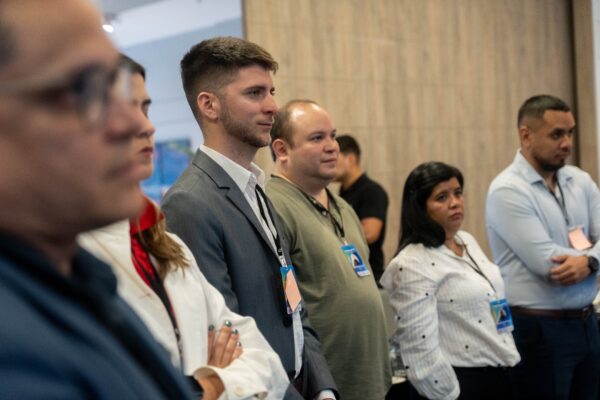
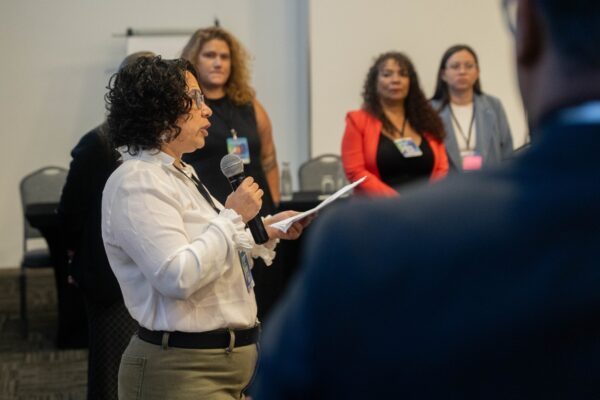
Participants raised serious concerns about the structural and procedural barriers that prevent many civil society organisations, especially grassroots and community-based actors, from accessing meaningful funding for peacebuilding. Administrative and procedural obstacles, such as strict budget transfer limits and inflexible spending timelines, hinder the adaptability of local projects. Documentation requirements like electronic invoicing often exclude smaller organisations that lack digital infrastructure, while opaque hiring and allocation processes further erode trust in funding mechanisms.
A deeper cultural and epistemological disconnect also persists. Many calls for proposals are launched without sensitivity to local contexts or timelines, making them inaccessible or irrelevant for affected communities. Language remains a significant barrier, and local knowledge systems are routinely undervalued in favour of externally defined technical criteria. Organisations operating in countries with less visible or politically marginalised conflicts are frequently excluded from eligibility, reinforcing a narrow scope of engagement.
Beyond procedural issues, structural inequalities in the funding ecosystem were also highlighted. UN agencies often find themselves competing with civil society organisations for limited funds, rather than partnering strategically. The current configuration of the Peacebuilding Fund (PBF) was questioned for its inclusivity and reach. Participants also noted that over-reliance on large international intermediaries limits direct access for grassroots CSOs. Smaller organisations face exclusion due to technical or financial thresholds, while co-creation opportunities remain scarce. The lack of reciprocal accountability between donors and recipients reinforces top-down dynamics and vertical relationships—leaving local actors disempowered in the very processes meant to support them.
Participants further highlighted persistent power asymmetries between civil society organisations and international actors. CSOs are too often viewed and treated as implementers rather than as strategic partners, resulting in weak local ownership and limited influence over programme design and decision-making. This dynamic is exacerbated by restrictive legal and political measures in several countries across the region, which curtail international cooperation and stifle the operating space for civil society.
Finally, despite their essential contributions to peacebuilding efforts, young people continue to be marginalised in peacebuilding efforts. Participants noted a significant gap in funding and recognition for youth-led initiatives, with young people frequently overlooked in both programming and policy spaces.
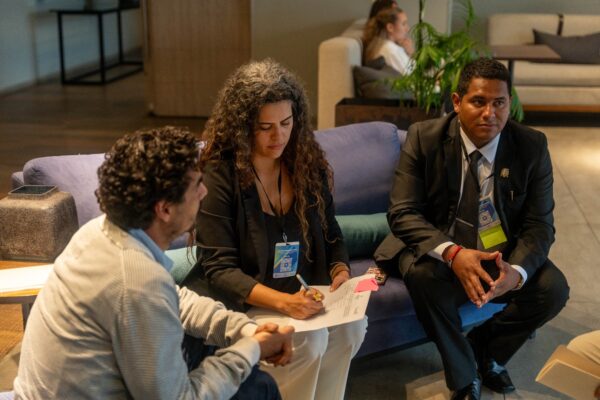
The consultation identified key recommendations, including:
Participants called for a fundamental rethinking of the structures and relationships underpinning peacebuilding cooperation. They highlighted the need to reform administrative and funding requirements to better reflect the realities and capacities of local actors. This includes relaxing budget restrictions, accommodating informal and community-based organisations, and simplifying documentation demands. In addition, they advocated for the creation of regional and macro-regional financing mechanisms to reduce centralised bottlenecks and ensure that resources are accessible, timely, and contextually appropriate.
To address persistent power asymmetries, participants urged the adoption of open and reciprocal accountability mechanisms, such as dual-track evaluations in which civil society can assess donor practices. Calls for funding should be multilingual, sensitive to local contexts, and inclusive of diverse epistemologies, recognising local knowledge as legitimate and technically sound. Reducing competition between UN agencies and CSOs by recognising the latter as strategic partners, not just implementers, was seen as essential to rebuilding trust and credibility. Equally important is the direct involvement of marginalised groups in funding decisions and the strengthening of peer-to-peer learning and support within civil society.
Peacebuilding should be integrated as a transversal approach across all UN sectors, not restricted to post-conflict settings, and anchored in differentiated strategies that take into account each country’s unique civic and political landscape. South-South and triangular cooperation must be strengthened to enhance solidarity across regions, while inclusive approaches should reflect the full diversity of civil society, including feminist, youth, LGBTIQ+, migrant, Afro-descendant, and disability-led organisations. Participants called for a shift toward long-term, trust-based partnerships grounded in ethical collaboration and mutual recognition. This includes investing in civil society leadership and diplomacy, integrating peacebuilding with environmental and mental health and psychosocial well-being, and institutionalising participatory monitoring and evaluation centred on community voices.

