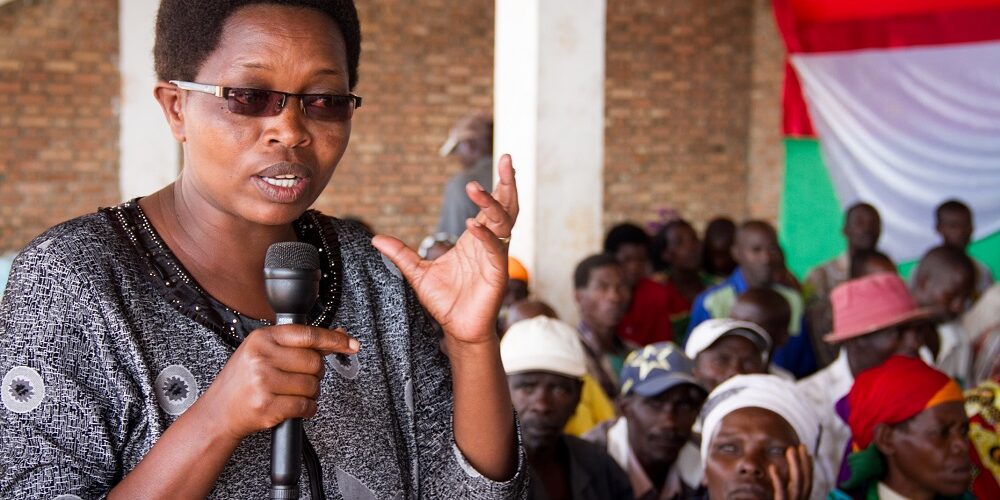
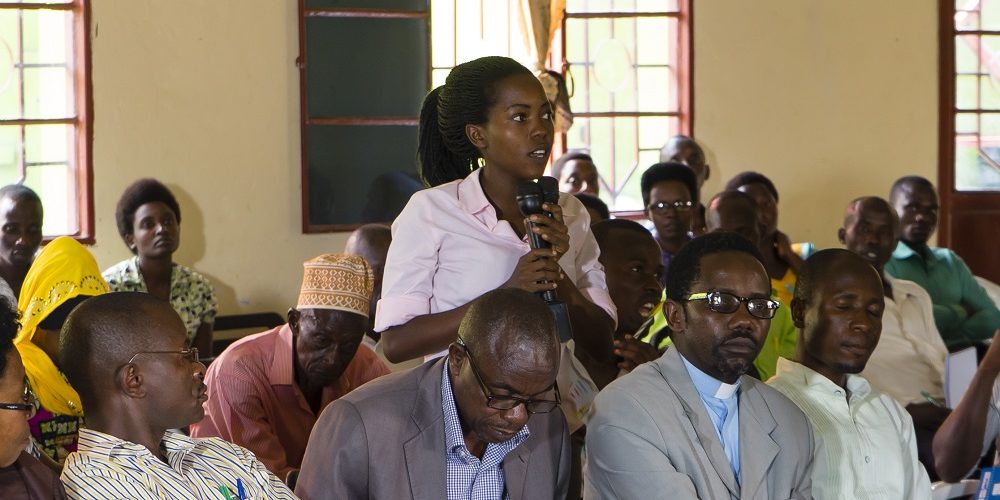
2013 – Consultations with Great Lakes populations are launched through a Participatory Action Research project. The project identifies key drivers of conflict and strategic focus areas for a potential regional programme.
The African Great Lakes region has experienced recurring cycles of violence and instability for decades. Rooted in identity politics, historical grievances, exclusion, and competition over natural resources, these conflicts have had devastating consequences, with millions of lives lost and widespread displacement across and within borders. The volatility has also undermined cross-border collaboration and cohesion, especially in Burundi, the Democratic Republic of the Congo, Rwanda, and Uganda, further exacerbating fragility.
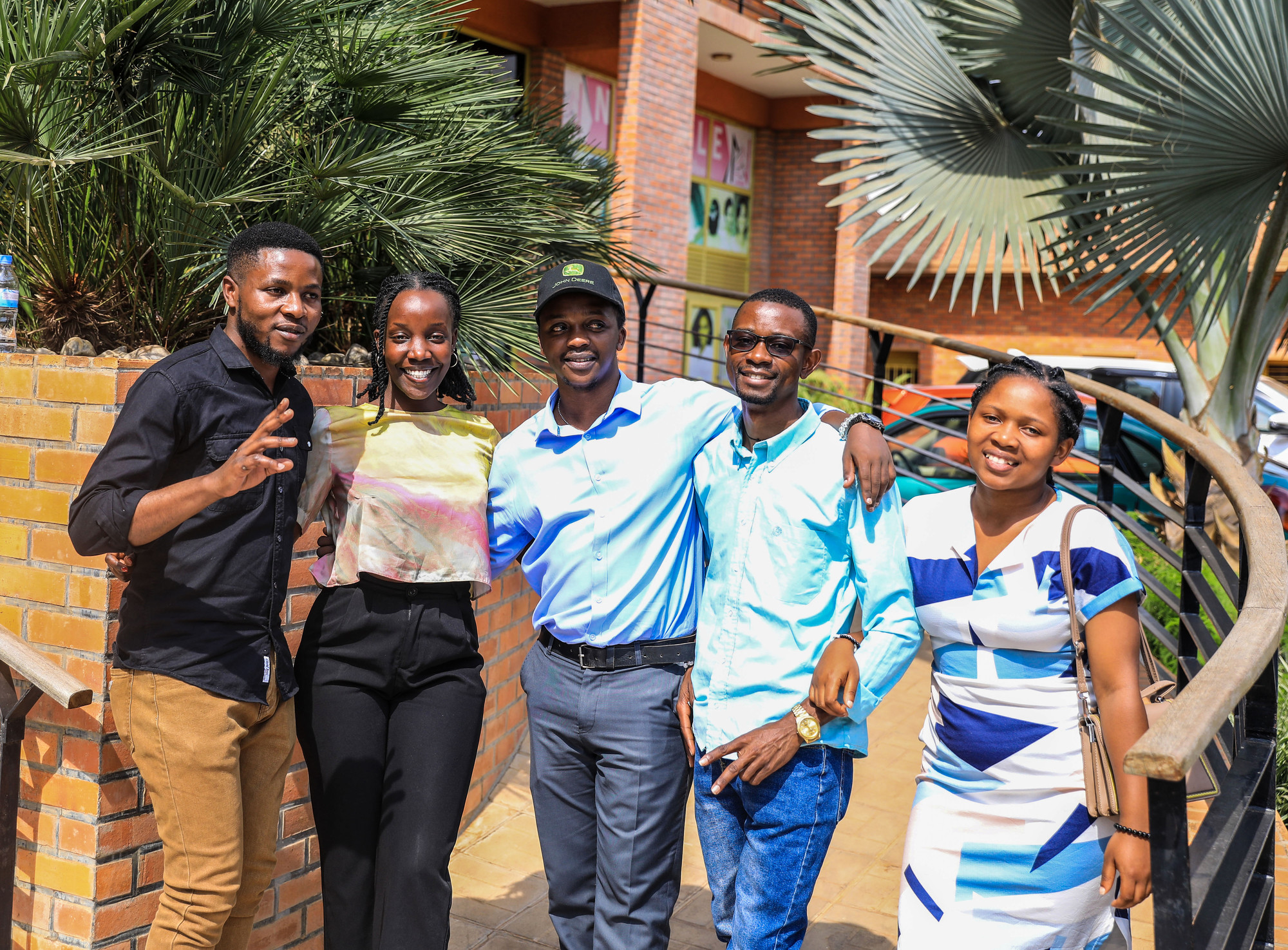
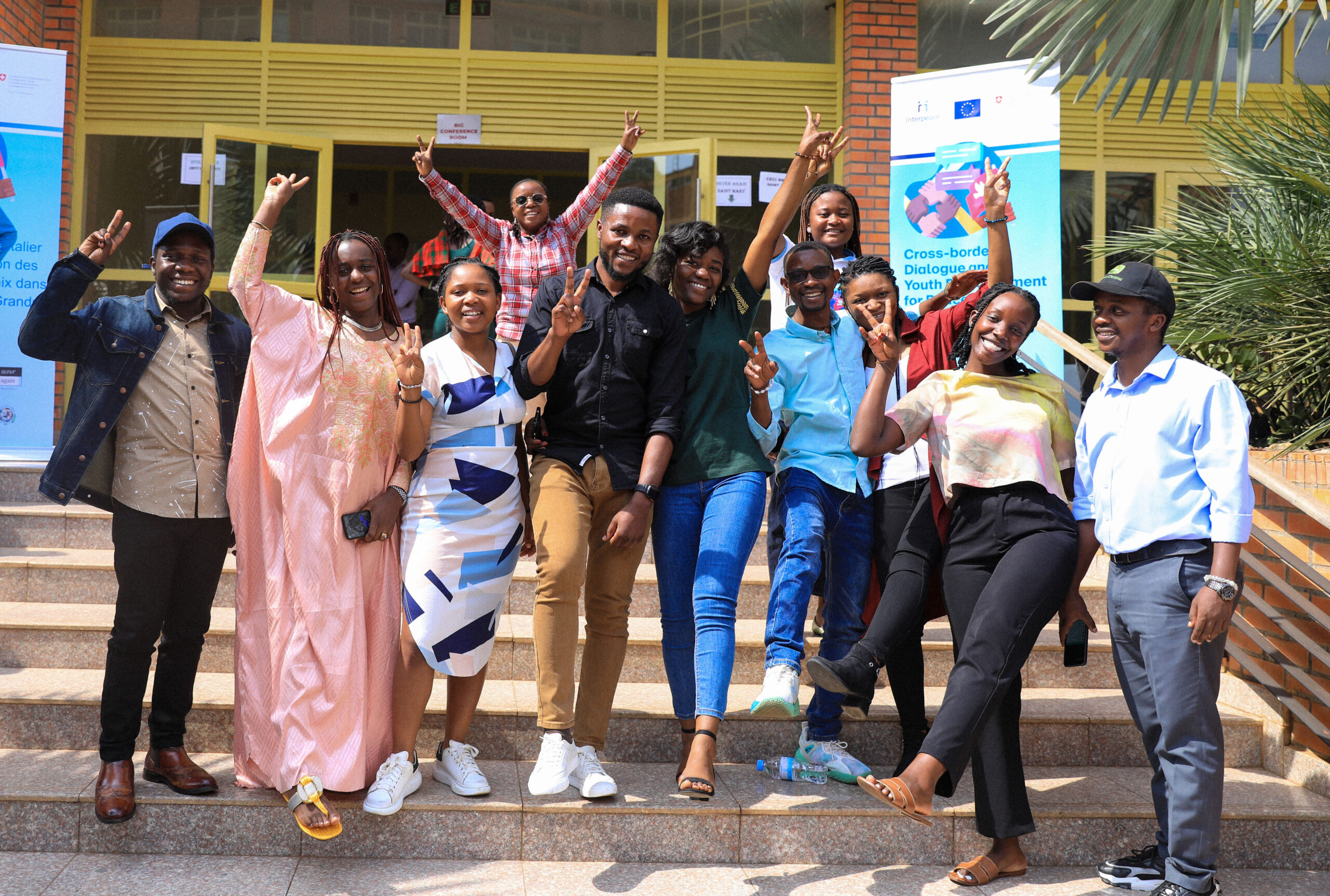
Interpeace has been active in the Great Lakes region since 2013, supporting communities in peacebuilding efforts. Due to deeply interconnected regional conflicts, domestic tensions often spill across borders, demanding solutions that reflect both local and cross-border realities.
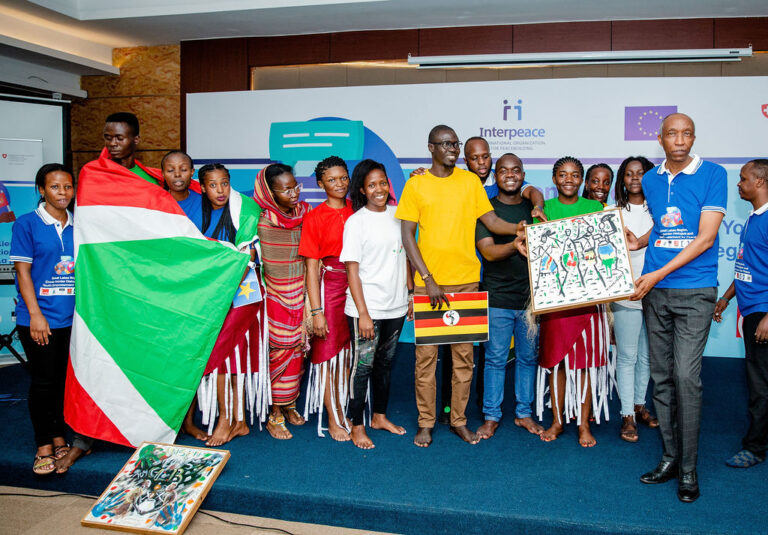
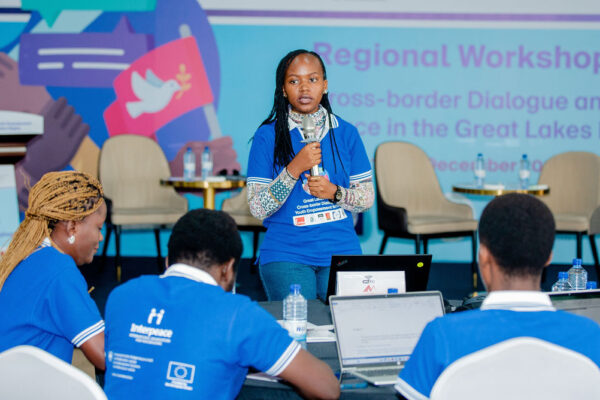
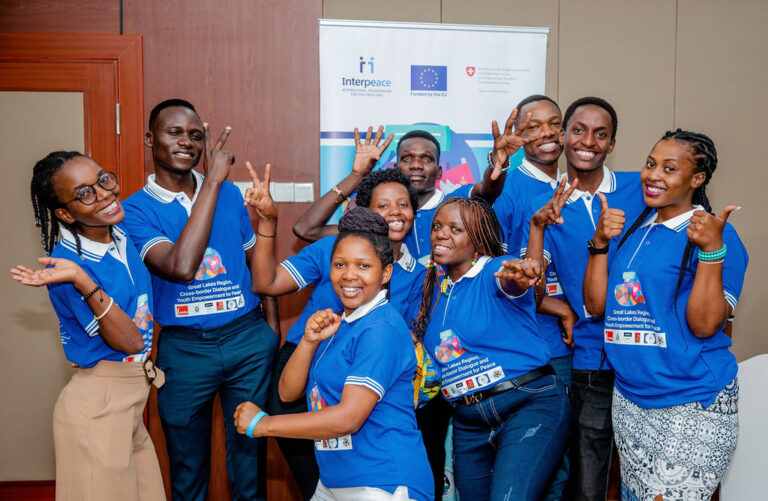
Our overarching goal in the Great Lakes region is to promote peace, stability, and social cohesion and to strengthen resilience and reconciliation. Working alongside local partners, our programmes engage communities, particularly women and young people, through safe spaces for inclusive dialogue and collective livelihood activities. Through intercultural and intergenerational collaborations as well as work with decision-makers, we seek to address conflict drivers, strengthen trust between communities, and enhance resilience to instability.