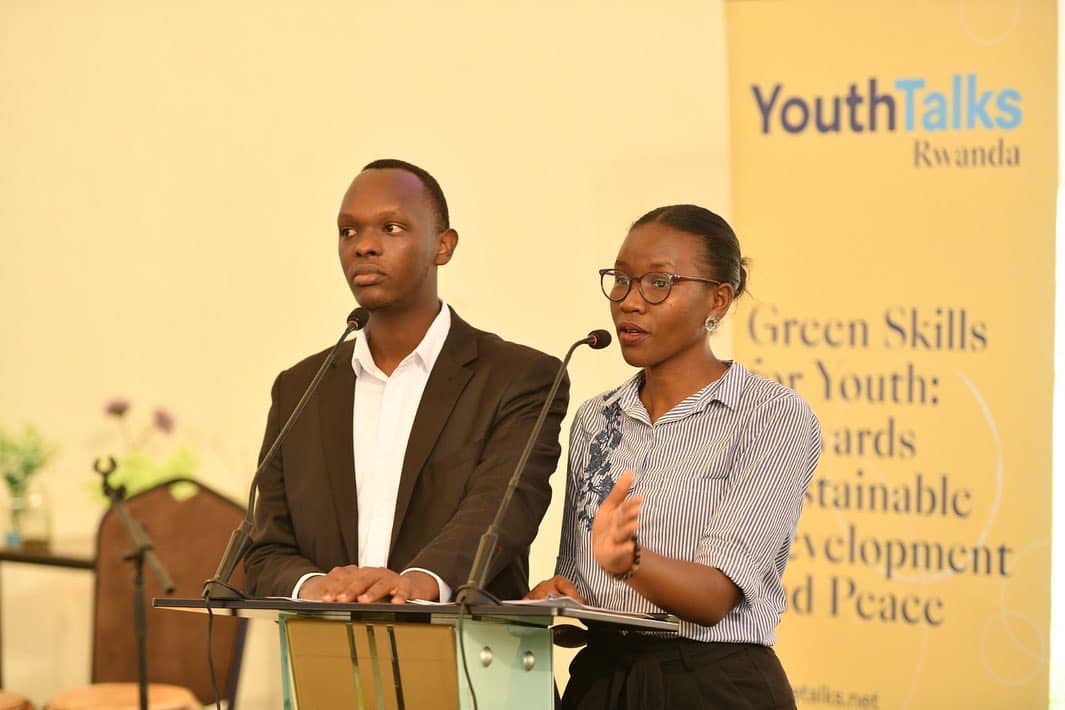
Globally, over 600 million young people are estimated to be living in fragile and conflict-affected areas. These young people often face systematic challenges, including exposure to violence, forced recruitment into armed groups, displacement, and loss of educational and employment opportunities. These adversities not only disrupt their development but also perpetuate cycles of poverty and instability.
Despite these challenges and the associated stereotypes – which frequently treat young men as a “threat” and consign young women to the status of passive victimhood – young women and men have demonstrated their capacity to---, and particularly to make a positive contribution to building peace, preventing violence, and mediating conflict. Across the globe, young people often provide the leadership in social movements for change: on the front lines in the existential fight for climate justice; in arms control and anti-war movements; through struggles for human security, and in inclusive, legitimate, and accessible governance; in the quest for justice and accountability (whether through traditional, formal, or transitional justice measures); in the struggle against systemic racism; and in the quest to address social and economic inequality.
Young people therefore bring unique perspectives, energy, and innovative solutions to building peace and mediating conflict. Furthermore, no one has a greater interest in both the immediate and the trans-generational future of peaceful societies than young people do. Inclusive peace processes that involve young people are therefore more likely to be sustainable and to be seen as legitimate in addressing the needs and aspirations of a significant portion of the population. As such, in many conflict-affected societies, young people offer not only the potential of a ‘demographic dividend’, but the unique promise of a ‘peace dividend’. Meaningful youth inclusion in building peace is, however, not just about the quota of young people who participate in peacebuilding activities – it is about how a youth-centred approach offers different perspectives that may challenge conventional thinking about building and sustaining peace.
However, young people are often still marginalised in peacebuilding and conflict mediation processes, their voices unheard, and their innovative potential remains largely untapped. The positive potential of youth involvement in peace processes, mediation of conflict, and peacebuilding, has been recognised as a key component of the Youth and Peace and Security (YPS) agenda, clearly promoted in UNSCRs 2250 (2015) as well as subsequent Resolutions 2419 and 2535, and articulated in the Progress Study on YPS: The Missing Peace, mandated by the UNSCR 2250.
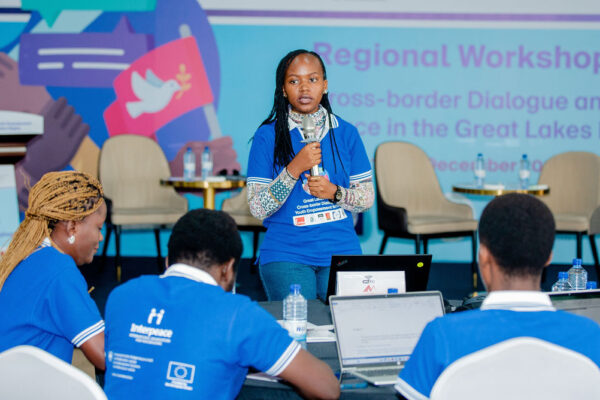
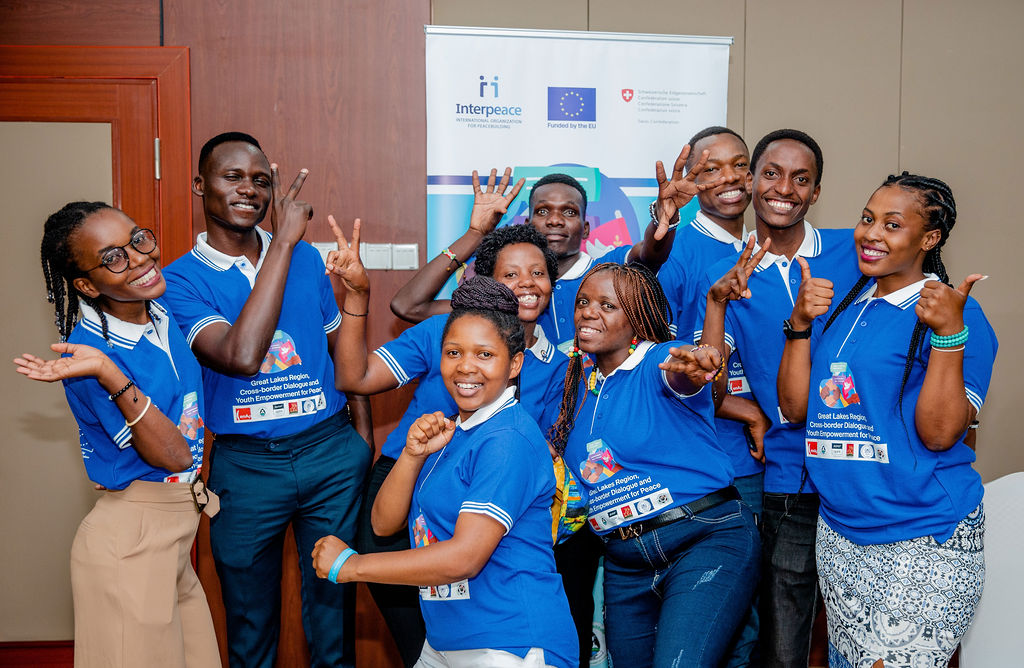
Youth-based peacebuilding has been at the forefront of Interpeace’s work for over two decades, working across Africa, Latin America, Europe, the Middle East, and Asia. Interpeace’s approach is rooted in the belief that youth engagement is not only a matter of inclusion or representation—it is a transformative lens that challenges and redefines how peacebuilding is conceived, practiced, and sustained.
Over a decade ago, Interpeace developed a multi-country youth peacebuilding strategy grounded in horizontal learning across its country programmes. This strategy moved beyond risk- or security-based approaches to young people and instead invested in young people’s resilience and agency as core drivers of peace. Today, that investment continues to grow—anchored in Interpeace’s commitment to building youth-centred peacebuilding systems that are preventive, inclusive, and responsive to generational dynamics.
Interpeace engages with young people from across the social and political spectrum—including young people in formal politics, informal and traditional structures, education systems, gangs, the arts, pastoralist communities, and more—acknowledging that the youth sector is not monolithic and that peacebuilding entry points must reflect this diversity. We work with and through informal spaces—such as creative activism, storytelling, and social movements—while also strengthening youth pathways into formal peace processes.
Interpeace facilitates inter- and intra-generational dialogue as a cornerstone of our peacebuilding approach. These exchanges are grounded in the understanding that relationships between young people and older generations are among the most significant resilience factors to conflict. They enable mutual listening and healing, acknowledge both past and present grievances, and foster a deep sense of connection across time. In doing so, they act as a vital preventive mechanism, strengthening the social contract where trust has been fractured. Through intergenerational dialogue and structured exchanges with decision-makers, we create spaces where young people's perspectives are heard, valued, and integrated into governance and peace processes.
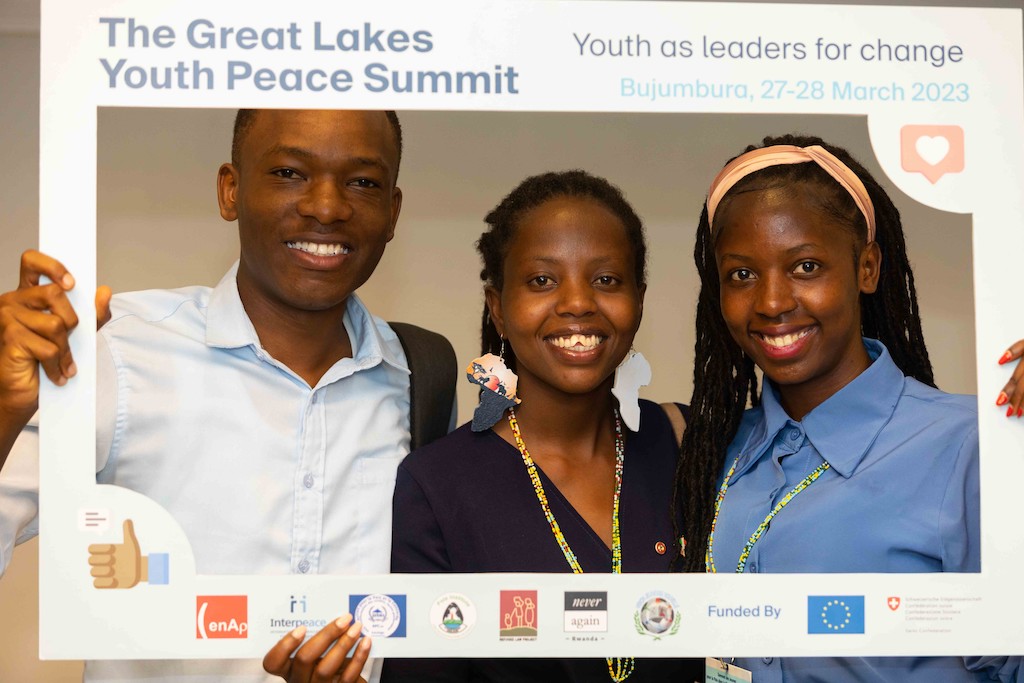
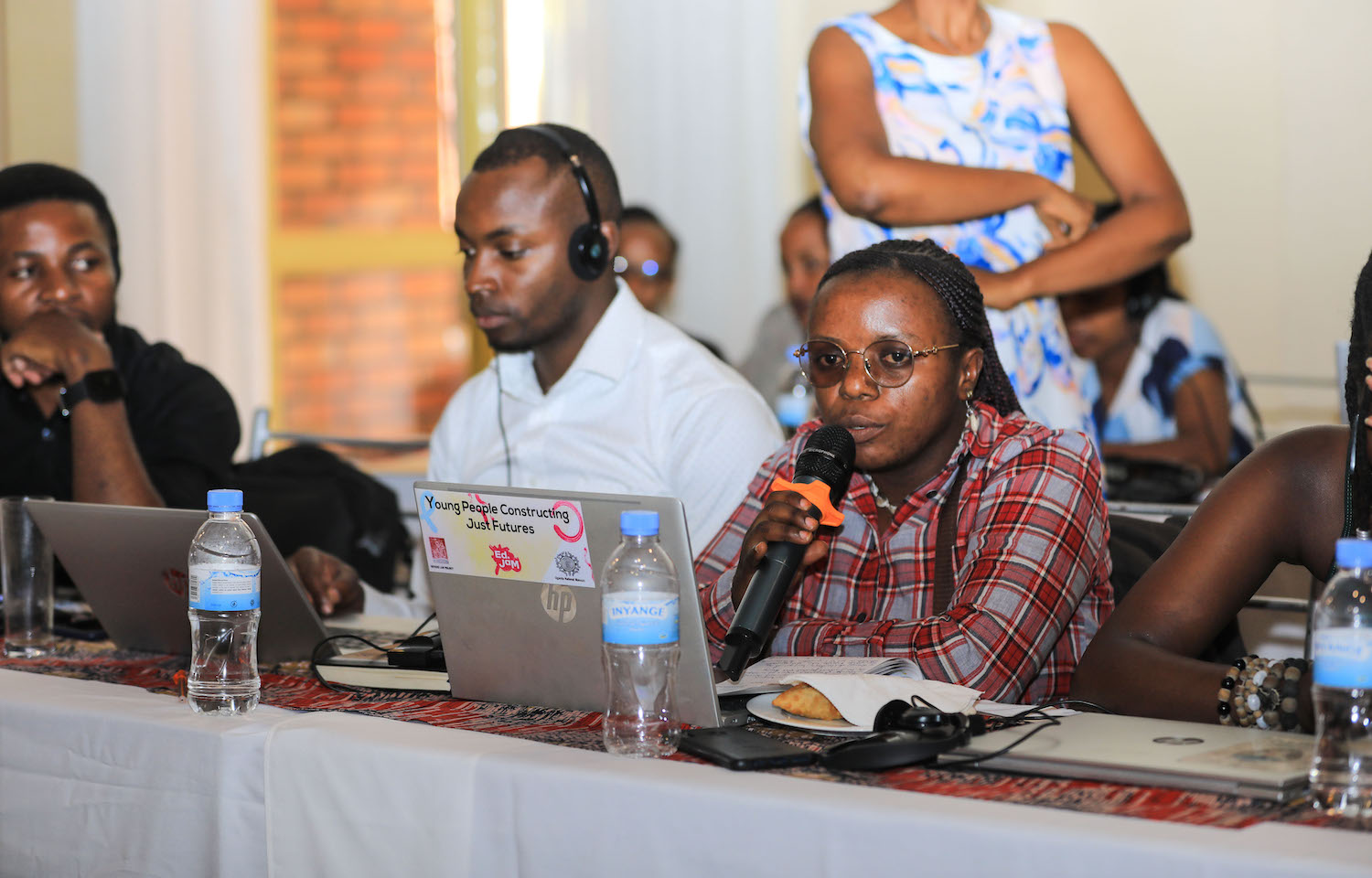
Interpeace contributes to expanding and legitimising the active roles that young people play in peace processes—within the room, around the room, and beyond the room. Our support includes mentoring and training young peacebuilders, strengthening youth-led mediation and dialogue, and recognising youth as ‘insider mediators’ who build trust and facilitate problem-solving from within their communities. We work to transform peacebuilding systems themselves to become more youth-responsive and youth-led, ensuring that young people are not only included in peacebuilding but are co-creators of policy, practice, and governance. Interpeace accompanies institutions across sectors—including peace, reconciliation, education, employment, and climate—in consulting with young people and integrating their recommendations into policies and systems. We see you people not only as stakeholders but as co-creators of policy and systems change. We engage young people across formal and informal tracks of diplomacy and negotiation, recognising their creativity, networks and credibility in addressing conflict dynamics. This strategic approach enhances the durability of peace agreements, the effectiveness of violence prevention, and the legitimacy of peace processes by embedding youth perspectives and leadership at all levels.
Interpeace supports young people in identifying their peacebuilding and violence prevention priorities and customising their own entry points for YPS implementation. We amplify their voices and recommendations and connect them with formal and informal decision-makers at local, national, regional and global levels to amplify their voices and perspectives on peacebuilding policy and the implementation and evaluation of the YPS agenda. We provide financial, technical and accompaniment support to youth-led initiatives that advance social cohesion, community resilience and inclusive peacebuilding, ensuring that youth are not just participants but designers and implementers of peace efforts. And we help build a youth peacebuilding movement that strengthens solidarity across divides and supports peer-driven innovation.
Young people often face exclusion not only from political systems but also from economic systems that overlook their ambitions and fail to meet their needs. Interpeace works to expand meaningful economic opportunities for young people through a peace-responsive lens—through vocational training, entrepreneurship support, and inclusion in economic development initiatives tailored to young people. At the same time, we engage with government institutions to address the structural barriers that limit youth economic participation, recognising that economic empowerment is essential to building lasting peace.
Based on our recognition of the transformative potential of YPS for the peacebuilding field as a whole, we see our work in this sphere as aspiring to drive systemic change rather than just addressing the symptoms of youth marginalisation. To this end, we prioritise the meaningful inclusion, participation and leadership of young women and men, in many or all the spheres that affect their lives, including in peace processes, democratic governance, education, economic development, gender-inclusive and peace-responsive approaches, justice and human rights, security, and so forth. We believe this is essential to addressing “the violence of exclusion” that is described by young people themselves in The Missing Peace: by addressing all aspects of young people’s lived experiences.
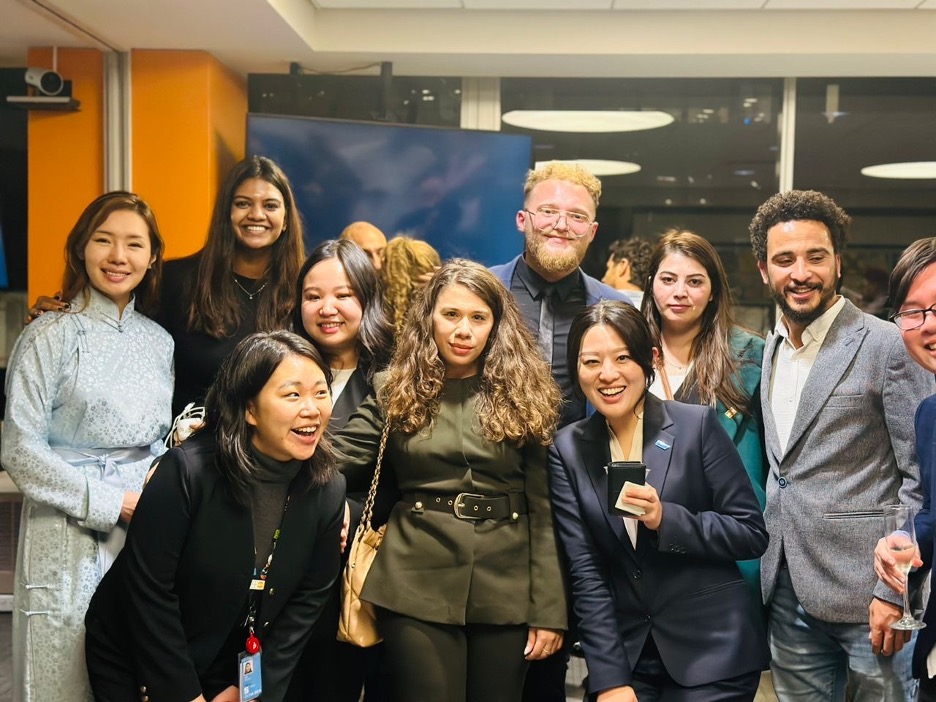
Interpeace’s youth-centred strategy deliberately avoids romanticising, demonising, or patronising young people. We recognise that young people can be both actors in peace and participants in violence, not as a contradiction, but as a reflection of the complex environments they navigate. Our approach challenges securitised narratives that frame all youth as potential threats, and instead promotes a balanced, rights-based understanding that centres young people’s lived realities. By investing in positive forms of resilience—while acknowledging and constructively engaging with the factors that can lead some youth into violence—we work to build peace and prevent violence in a complementary and holistic way.
Interpeace views the exclusion of young people from education, employment and civic participation not as indicators of vulnerability, but as missed opportunities to strengthen peace and resilience. We work with public institutions and partners to co-design concrete, youth-responsive programmes that promote inclusion, belonging, and agency. This approach is central to preventing violence—not through securitised or reactive interventions, but by creating enabling environments where young people can thrive as contributors to peaceful, just and cohesive societies.
The various components of our strategic approach, as set out above, reflect the complex and diverse needs and strategic entry points for youth peacebuilding and violence prevention programming in different contexts. This reflects the intersectional realities of young people’s lives and is necessary to the wider commitment to addressing not just physical violence, but the structural violence of exclusion and destruction of civic space experienced by young women and men. However, our belief and investment in this approach to youth-centred peacebuilding strategies also has a more transformative value for the peacebuilding field itself over the coming years. On one hand, this is reflected in the cross-cutting integration of a peace-responsive approach that is embedded in the transversal character of generational approaches and in the dynamics and engagement of the youth demographic itself. But even more fundamental are the transformative implications and potential of youth-centred approaches to peacebuilding that: demand we rethink the meaning and methodology of the prevention of violent conflict over generations agenda; challenge the boundaries of what inclusive and meaningful involvement in peace processes looks like; reframes the importance and character of dialogical processes and peacebuilding tools; expands the opportunities for mediation and negotiation of conflict; adds creative impetus to how infrastructures for peace may be supported; and changes the way we understand DDR, transitional justice, mental health and psychosocial support, or economic peacebuilding, when we view these mechanisms through a youth-specific prism. Indeed, the broader strategic value of the peacebuilding approach envisaged here is that it will fundamentally challenge how we see peacebuilding and what we have assumed we know, if seen through a youth-centric lens.

Une équipe petite mais agile aide à piloter et à coordonner ce travail. Graeme Simpson est le représentant principal d'Interpeace (NY) et conseiller principal en matière de consolidation de la paix, et l'ancien auteur principal de The Missing Peace.
Contact: simpson@interpeace.org.
20 février, 2024