Home - Interpeace : Interpeace

Strengthening Resilience Through Societal Healing

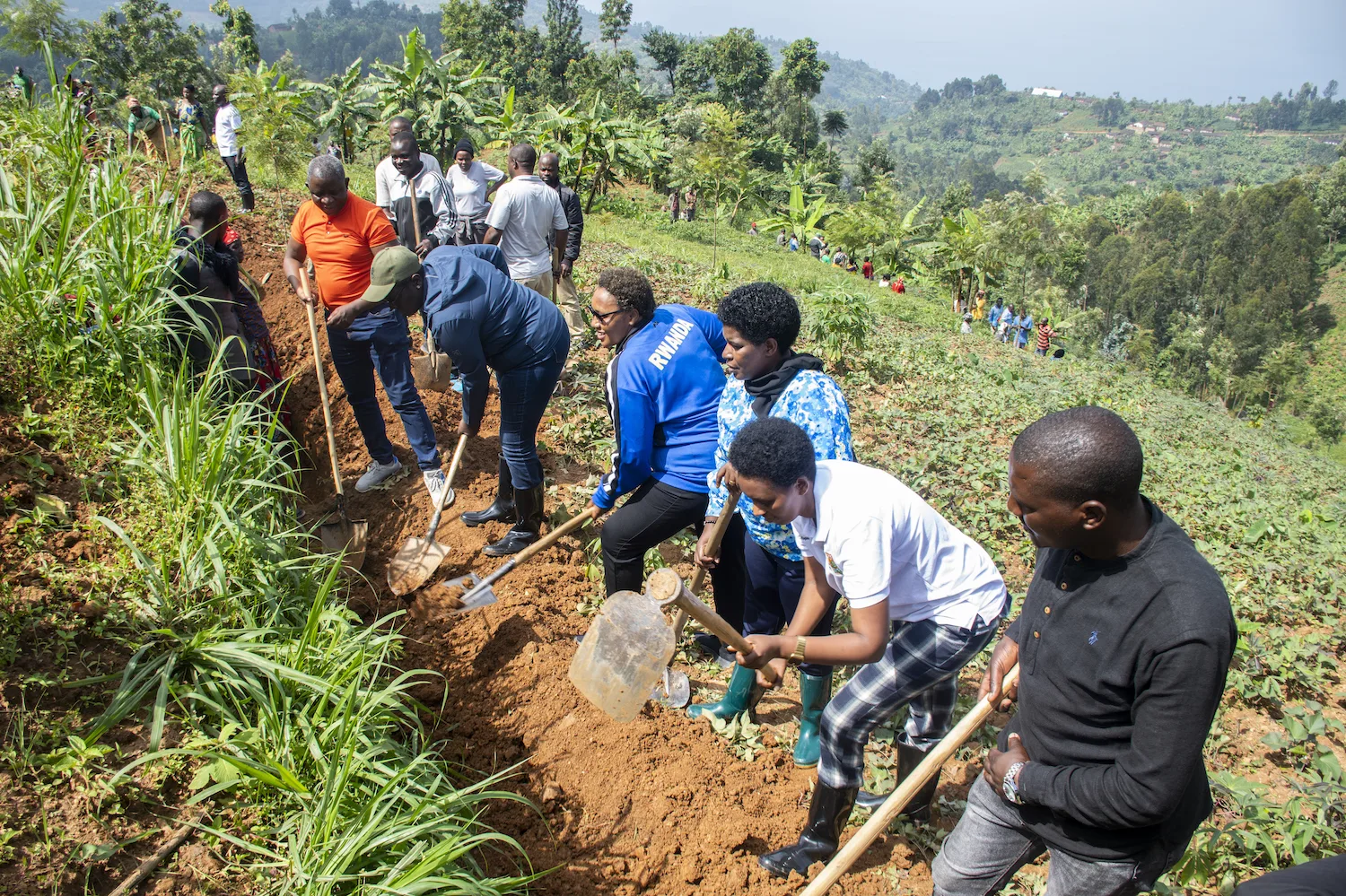
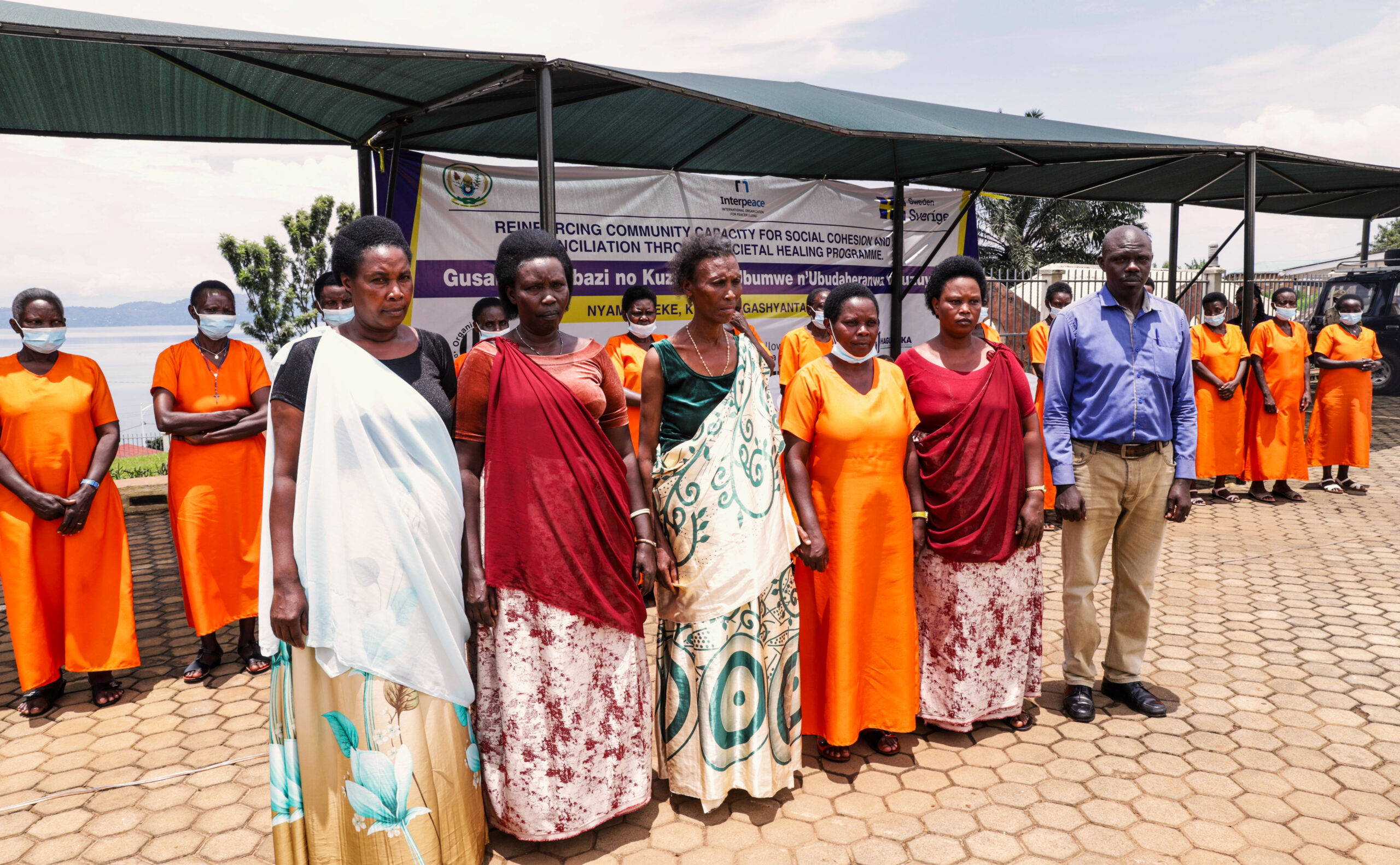
Between November 2021 - October 2025, Interpeace and its partners in Rwanda: Haguruka, Prison Fellowship Rwanda and Dignity in Detention (DiDE) implanted a holistic peacebuilding initiative to build resilience from within by addressing trauma, restoring trust, and strengthening the social fabric of communities affected by the Genocide against the Tutsi and its legacies.
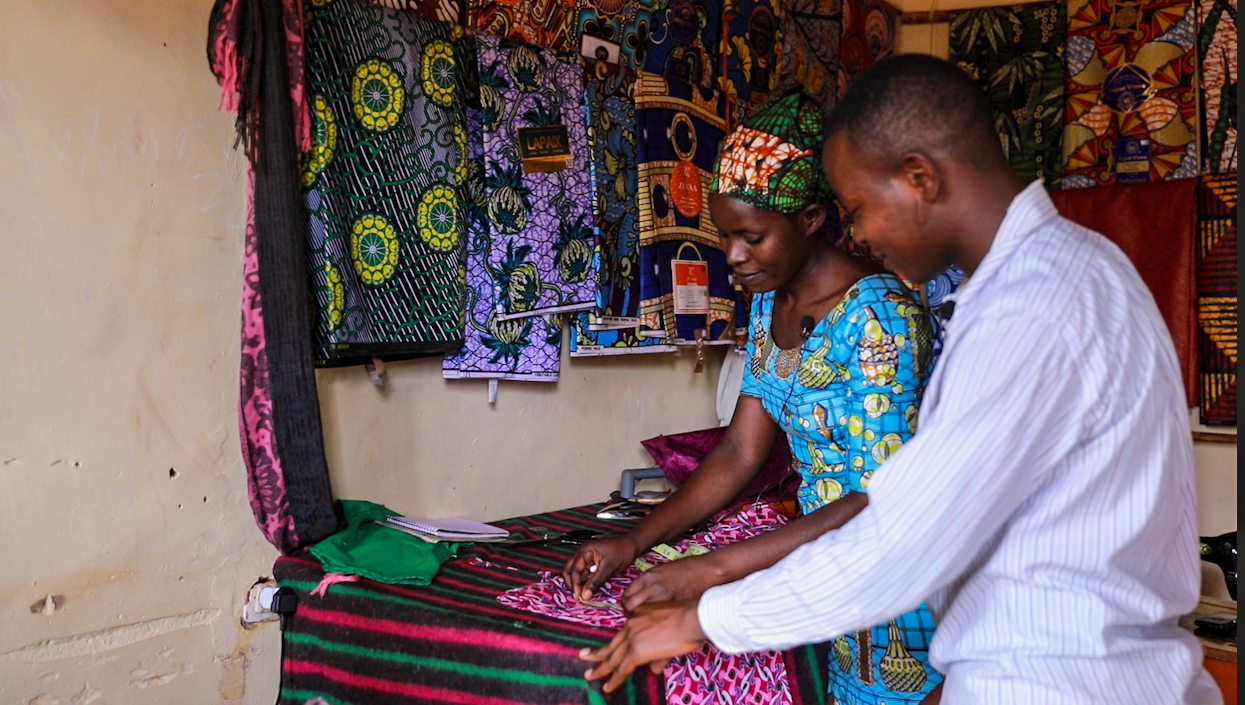
Titled “Reinforcing Community Capacity for Social Cohesion and Reconciliation through Societal Trauma Healing’ programme” was implemented in the districts of Nyabihu, Musanze, Nyamagabe, Nyagatare and Ngoma funded by the Swedish International Development Cooperation Agency (Sida).
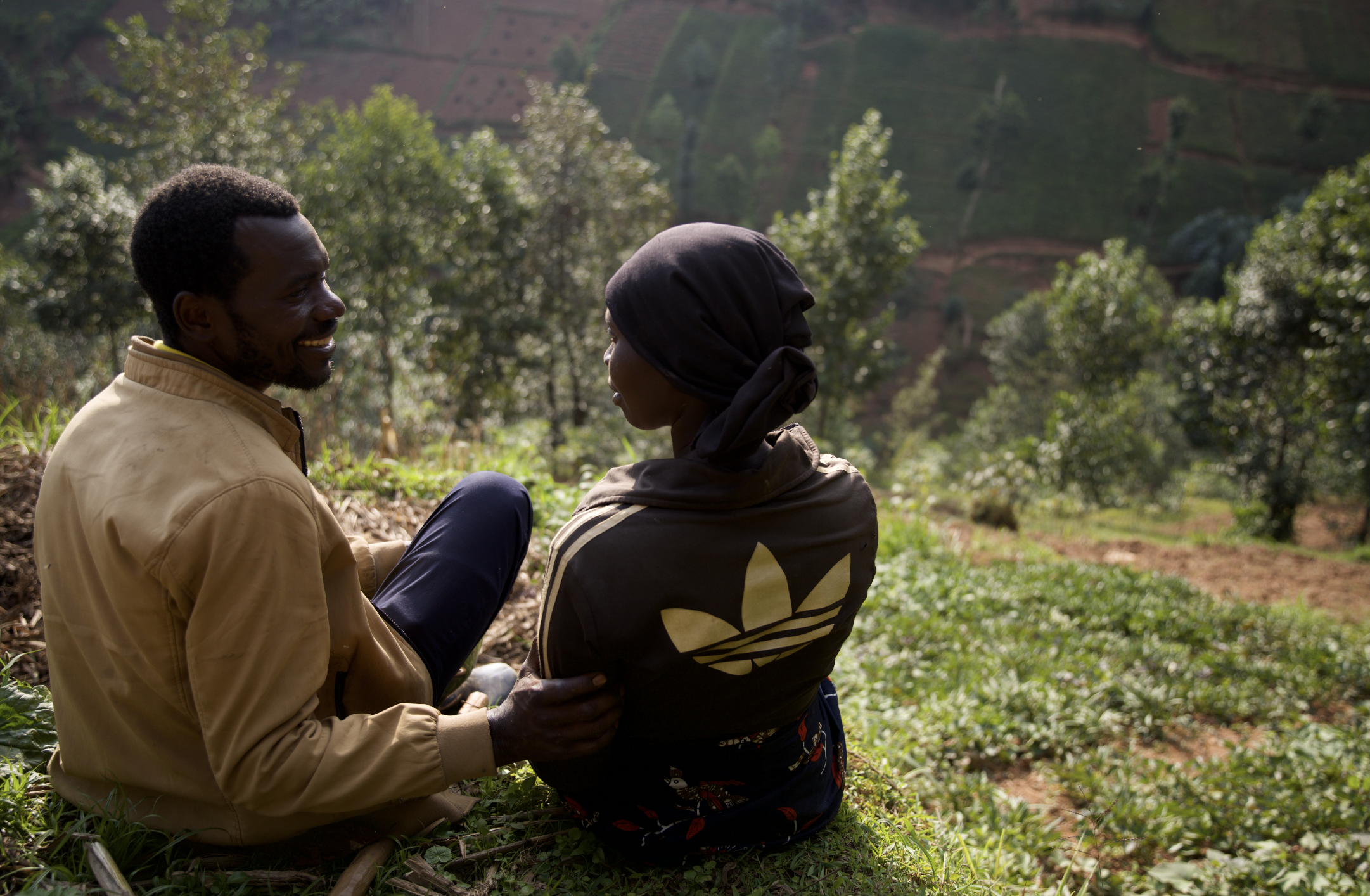
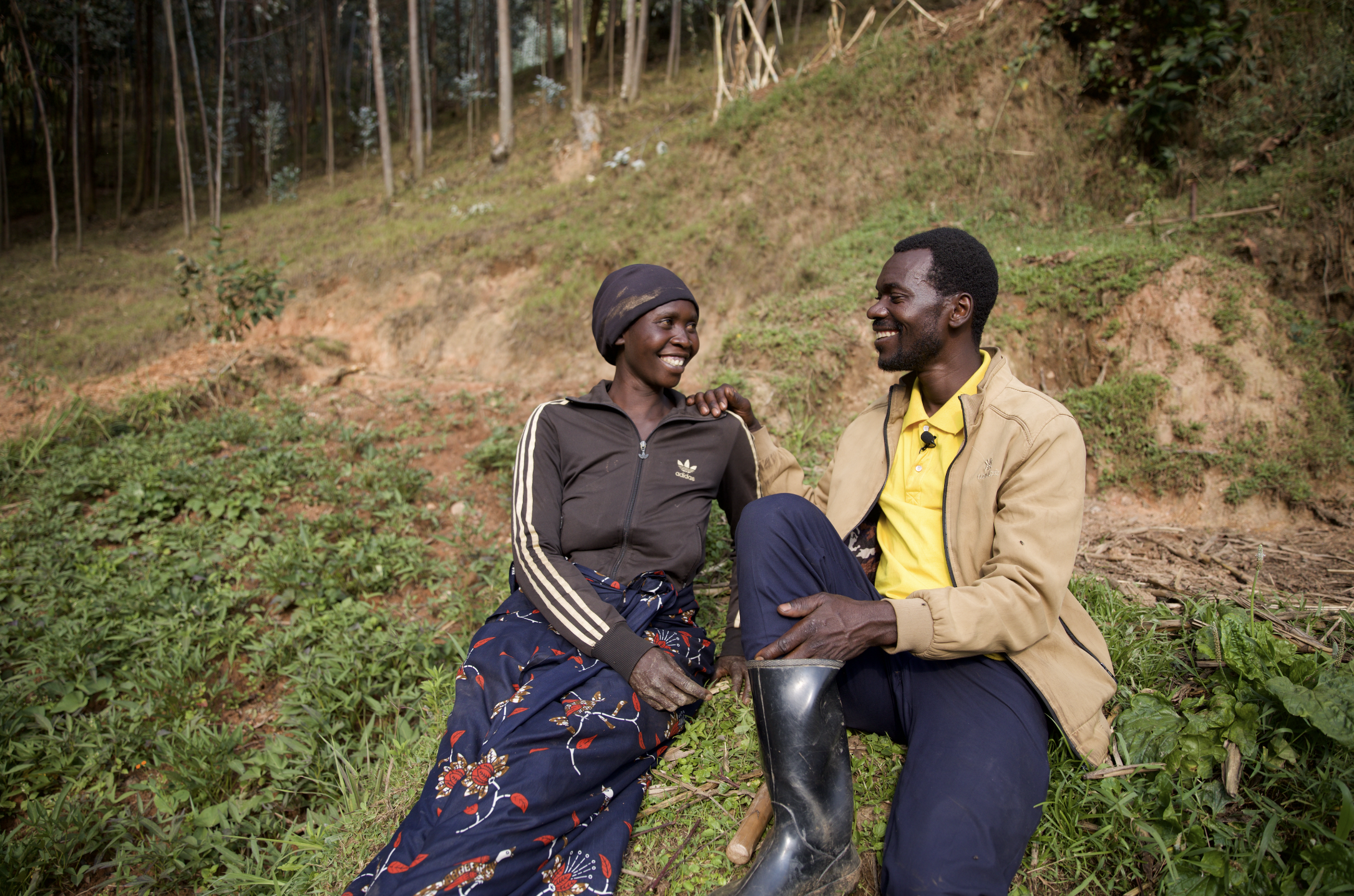
Aligned with Rwanda’s Vision 2050 and National Policy on Unity and Reconciliation (2016), it contributed to the country’s long-term goal of building a cohesive, inclusive, and resilient society through community-based healing, dialogue, and reintegration approaches. Beyond numbers, dive into personal stories of incredible transformation, healing, reconciliation and resilience.

Programme Reach

Between 2021 - 2025

12,227
The SHP reached 12,227 participants in 407 healing and engagement spaces in communities, correctional facilities and health centres in Rwanda
5,352
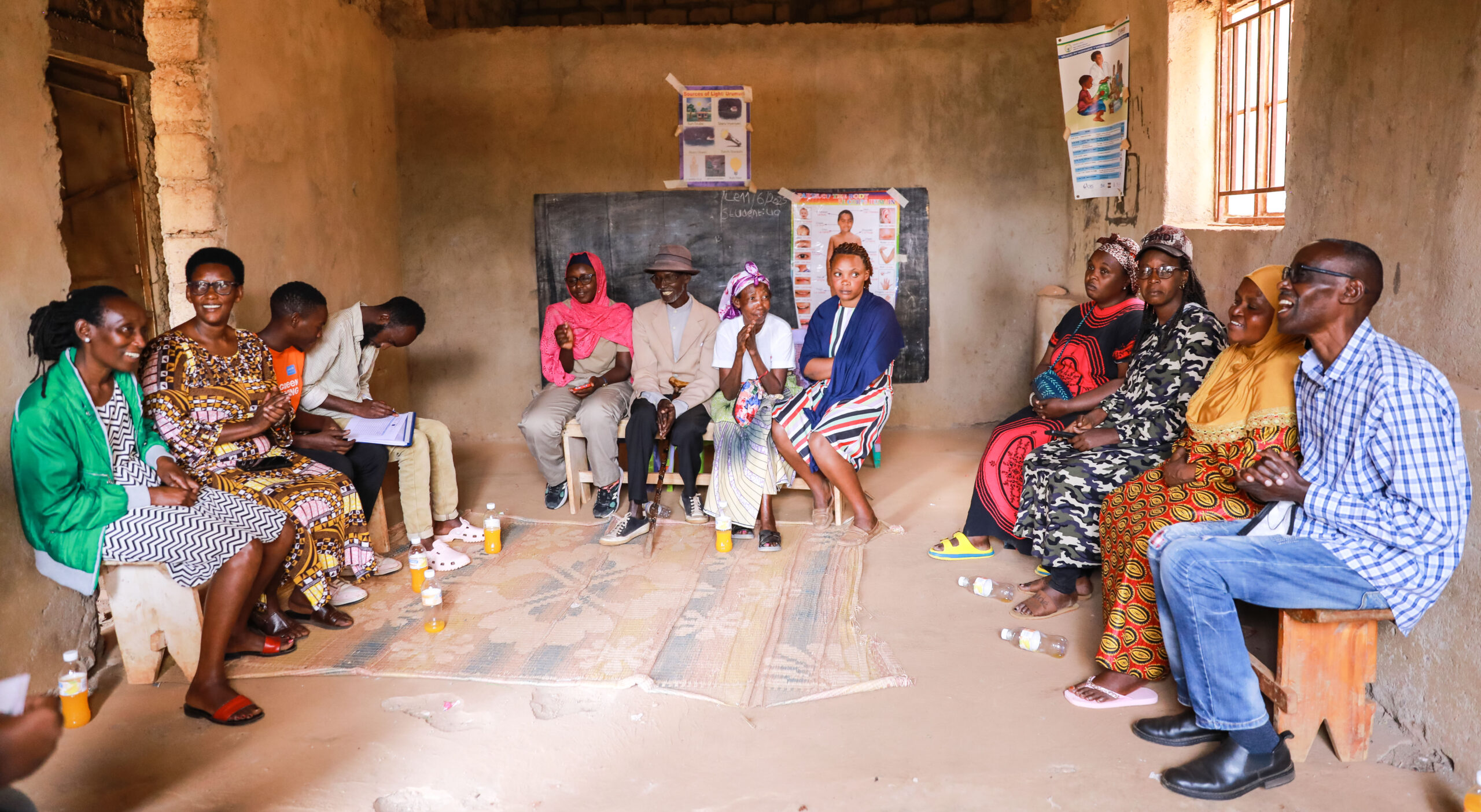
5,352 participants engaged in structured healing and dialogue groups.
621
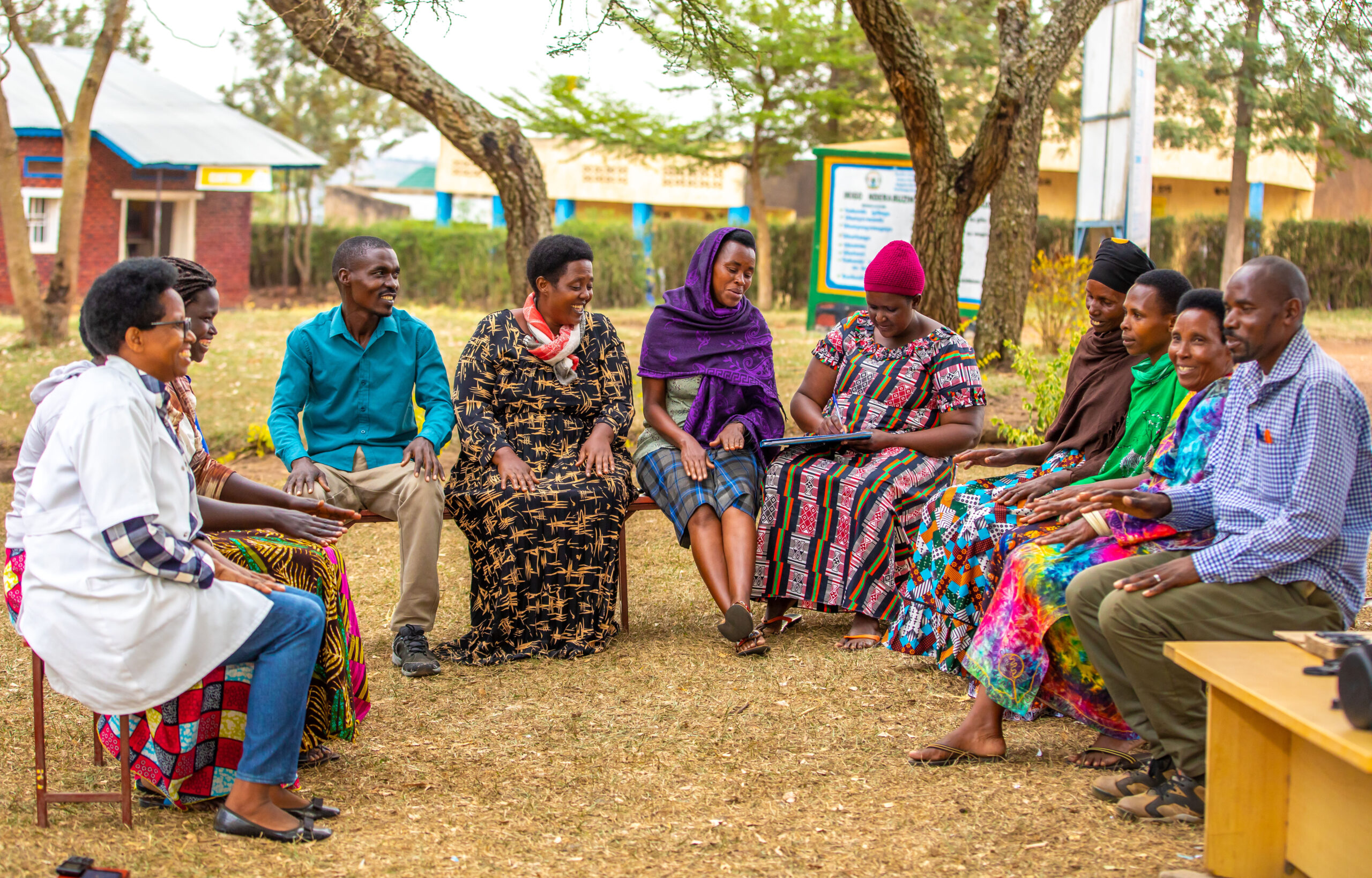
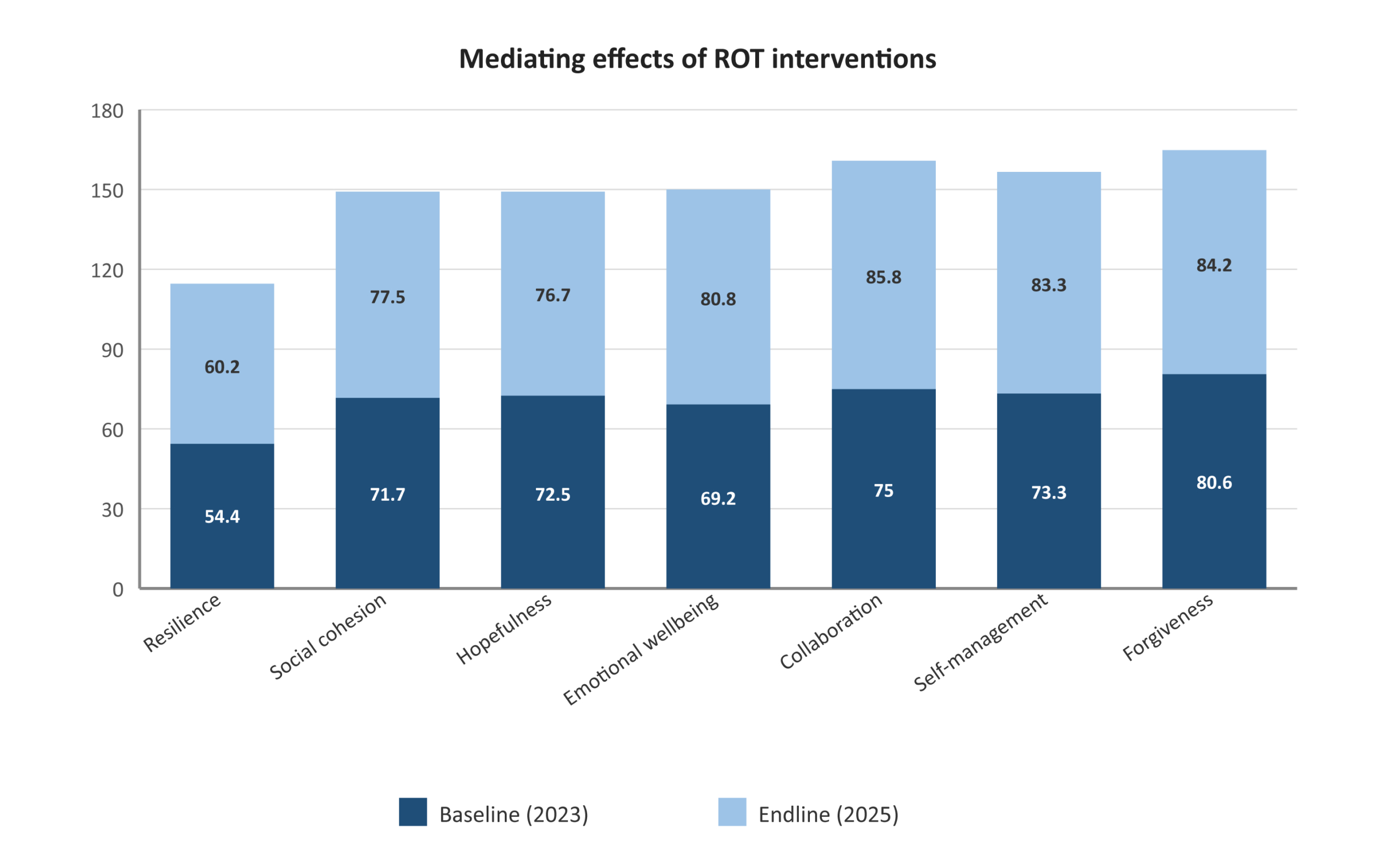
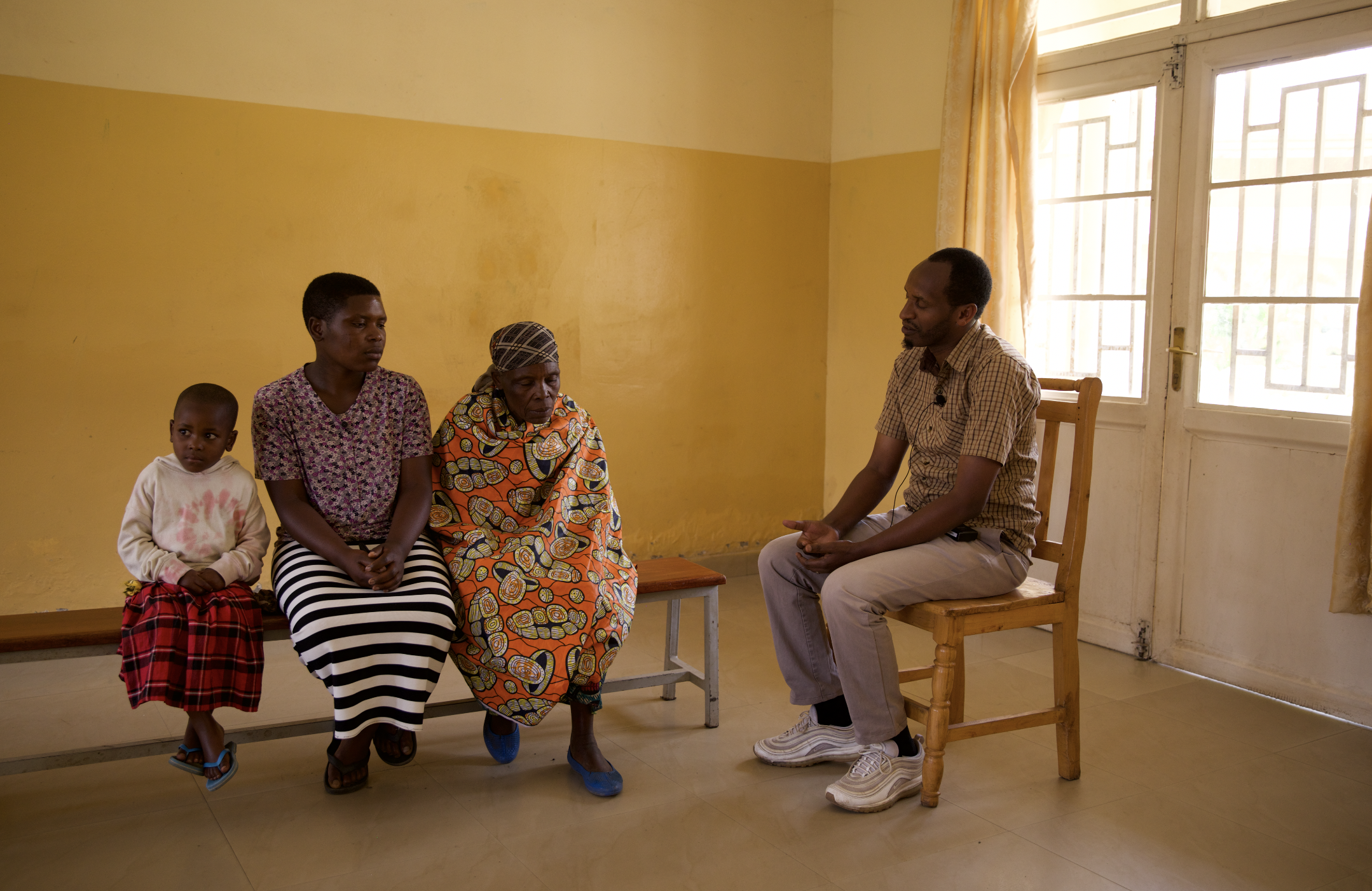
621 people benefited from resilience-oriented therapy (ROT) in 52 health centres.
2,039
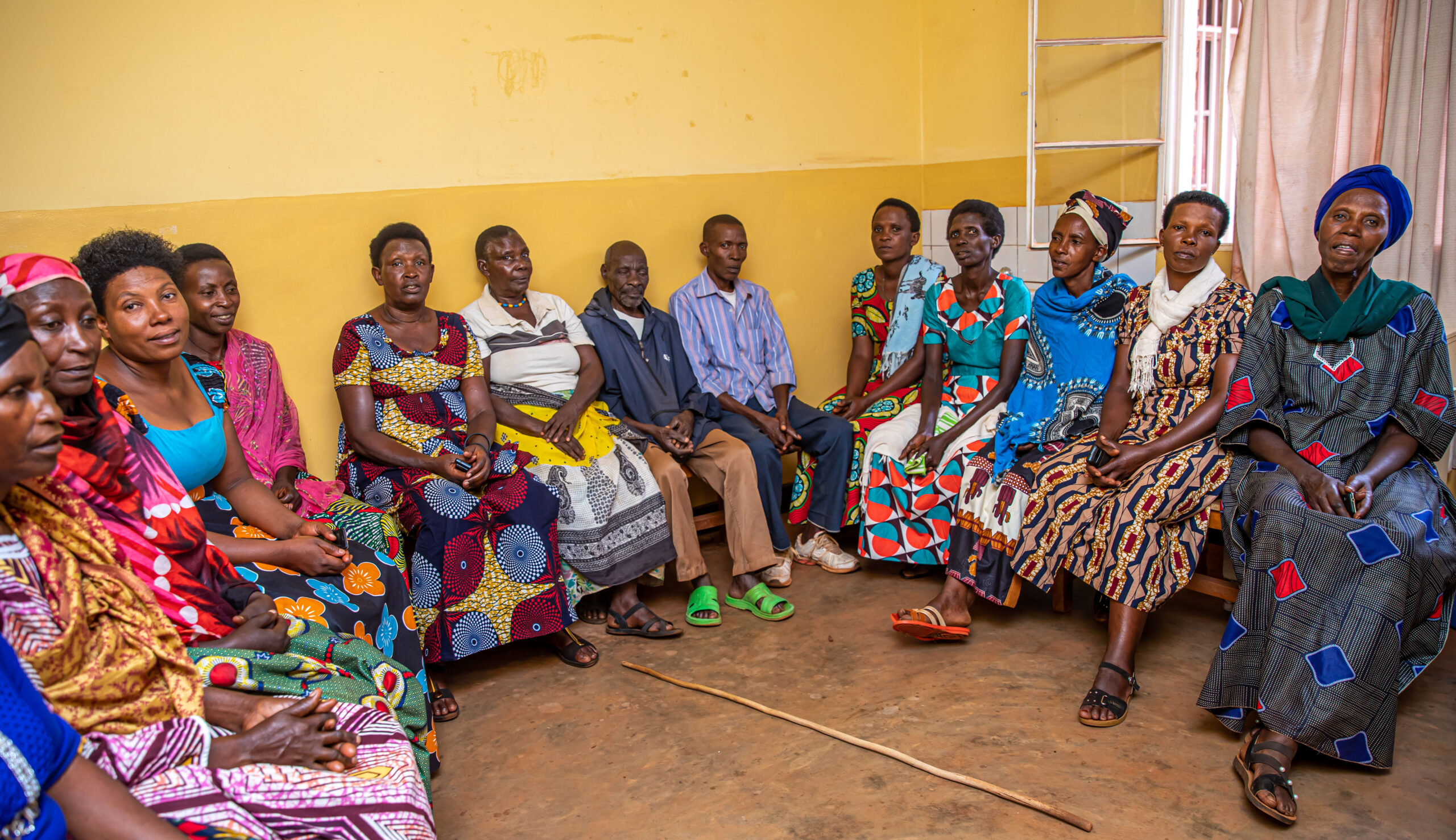
Sociotherapy reached 2,039 participants in 140 community spaces.
2,088
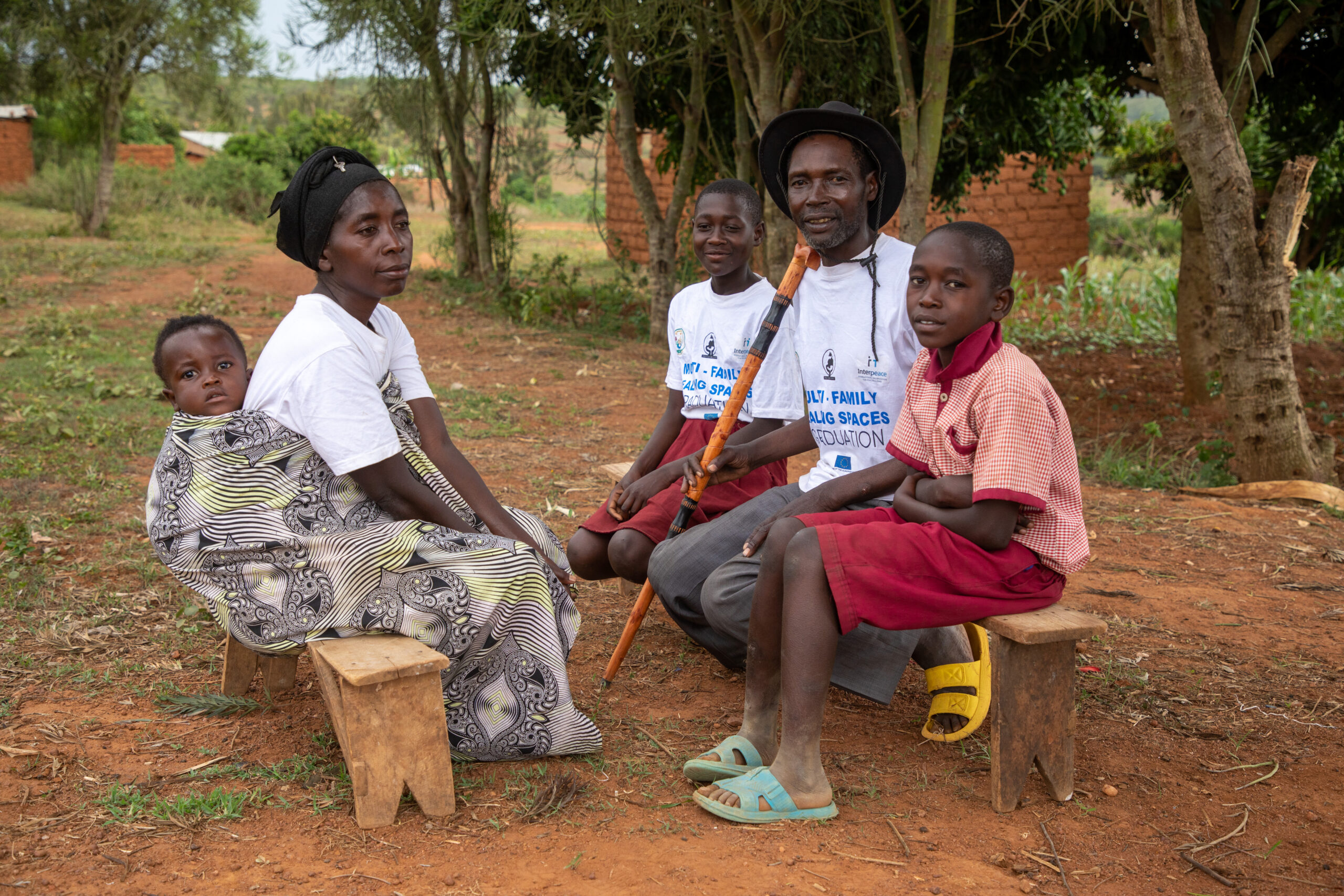
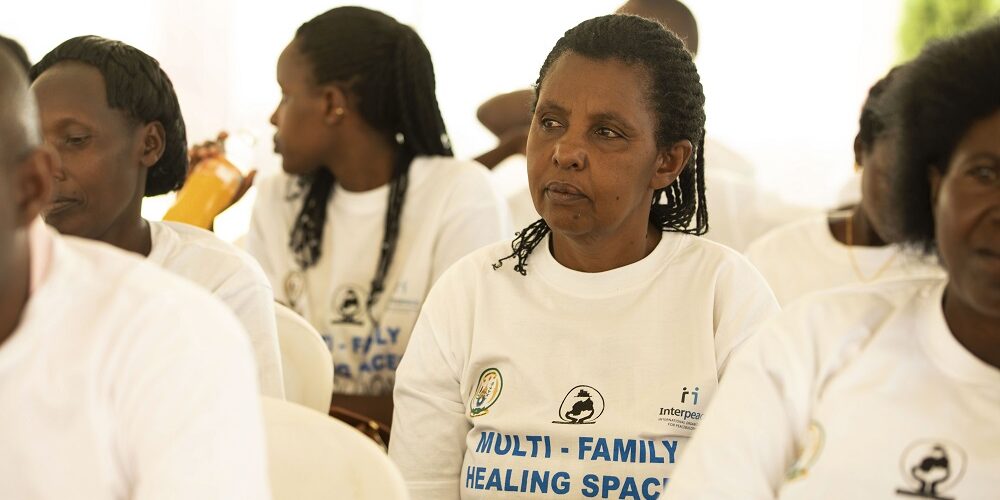
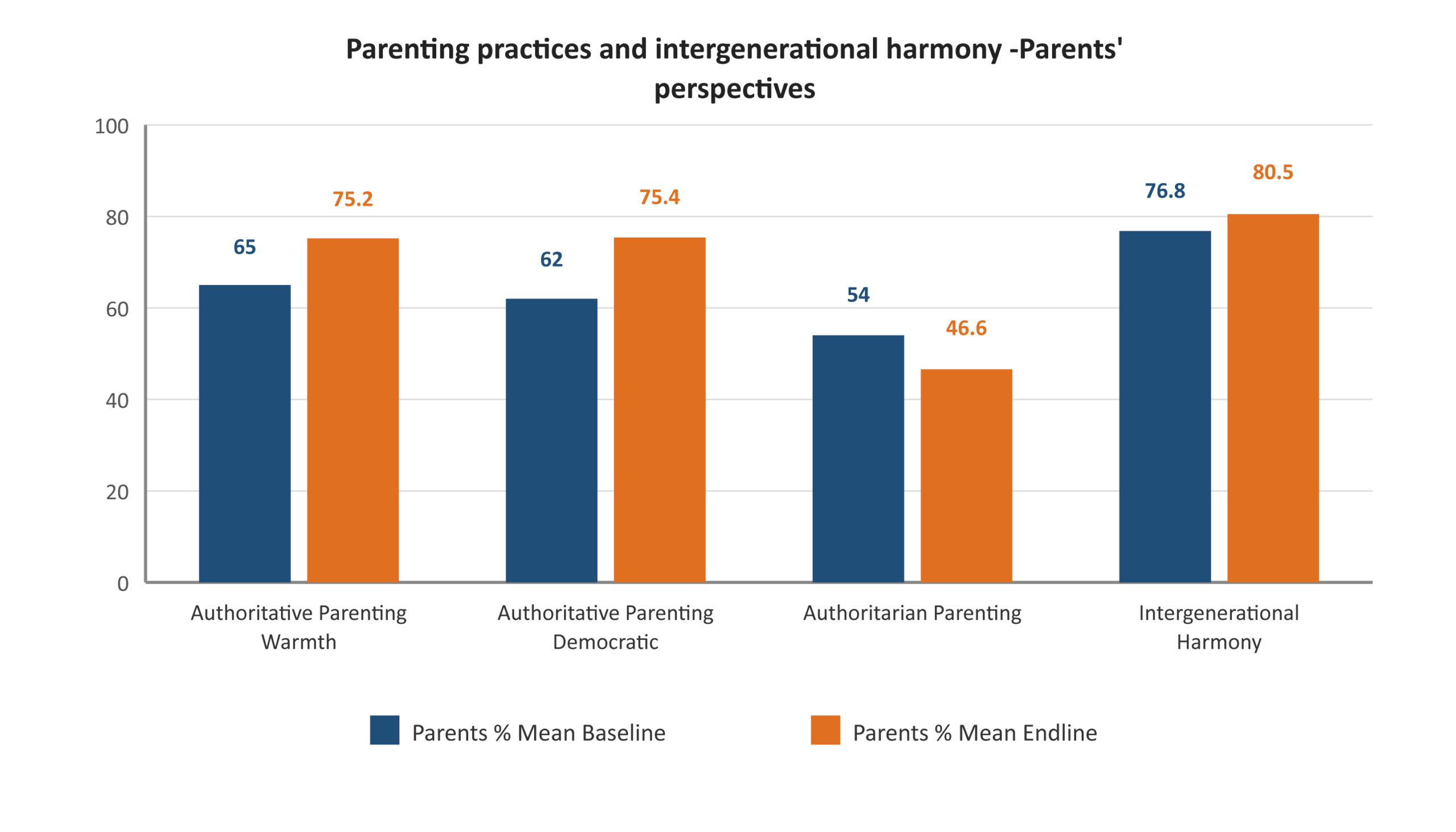
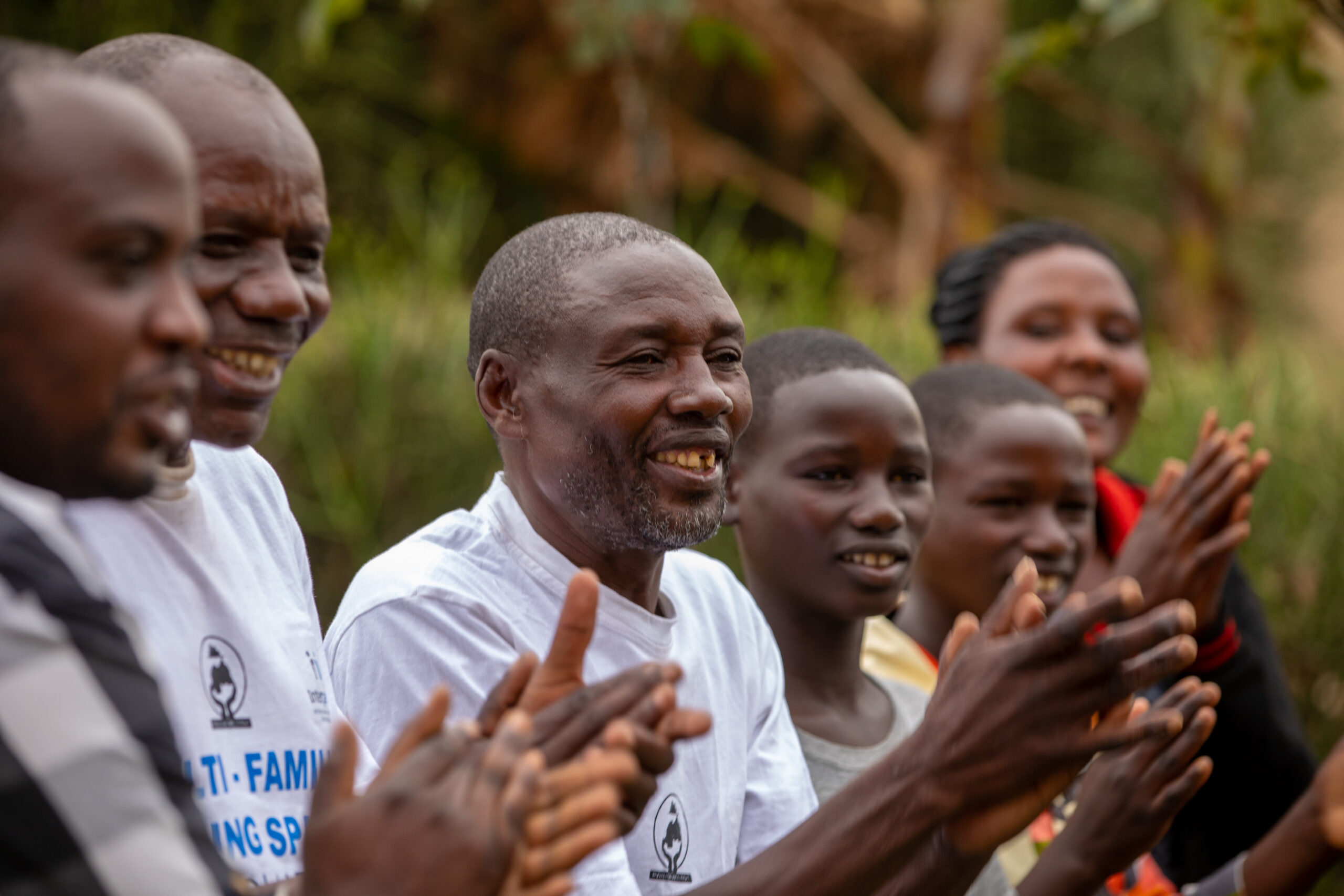
2,088 individuals joined multifamily healing spaces (MFHS) to rebuild family communication and trust.
1,767
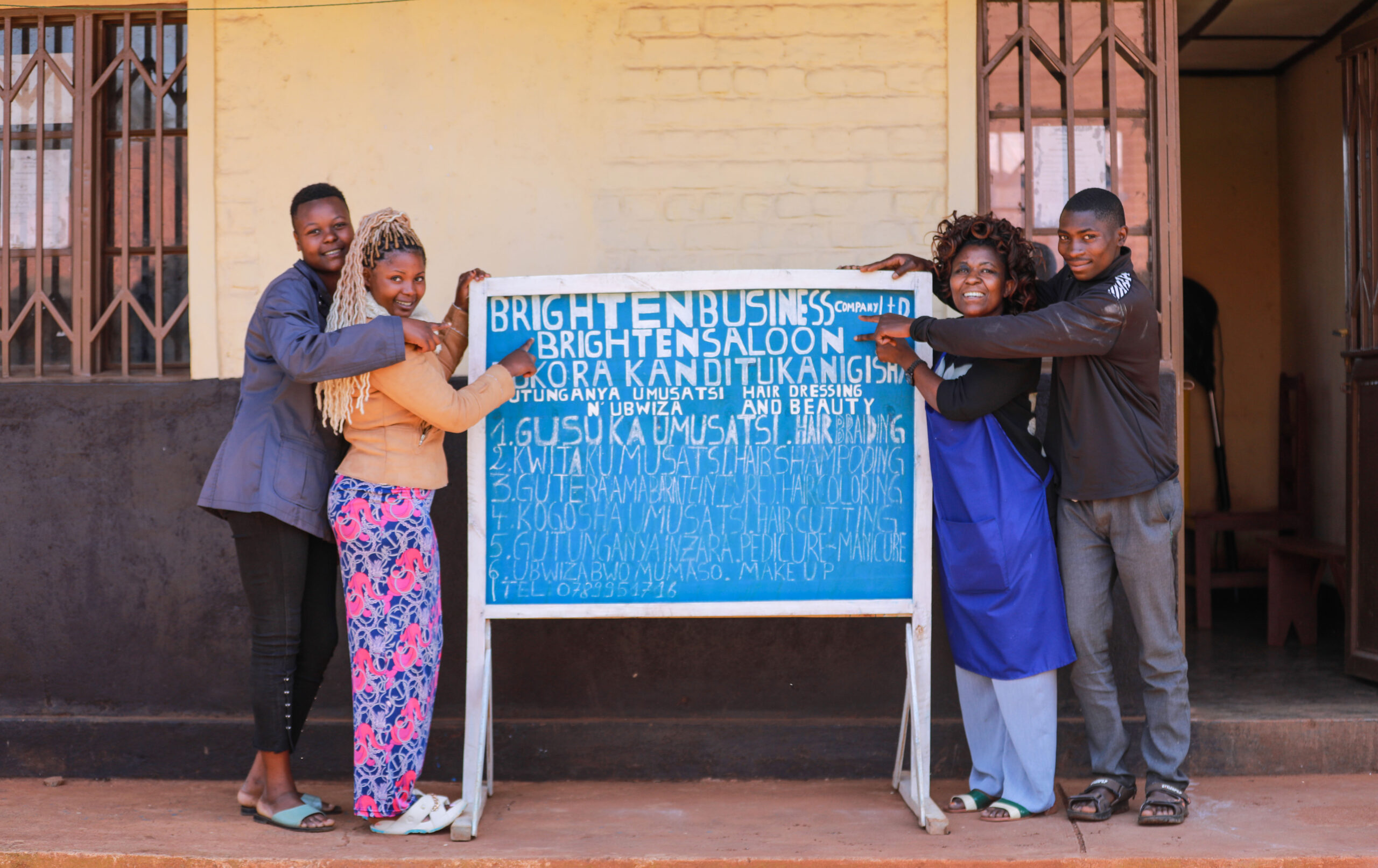
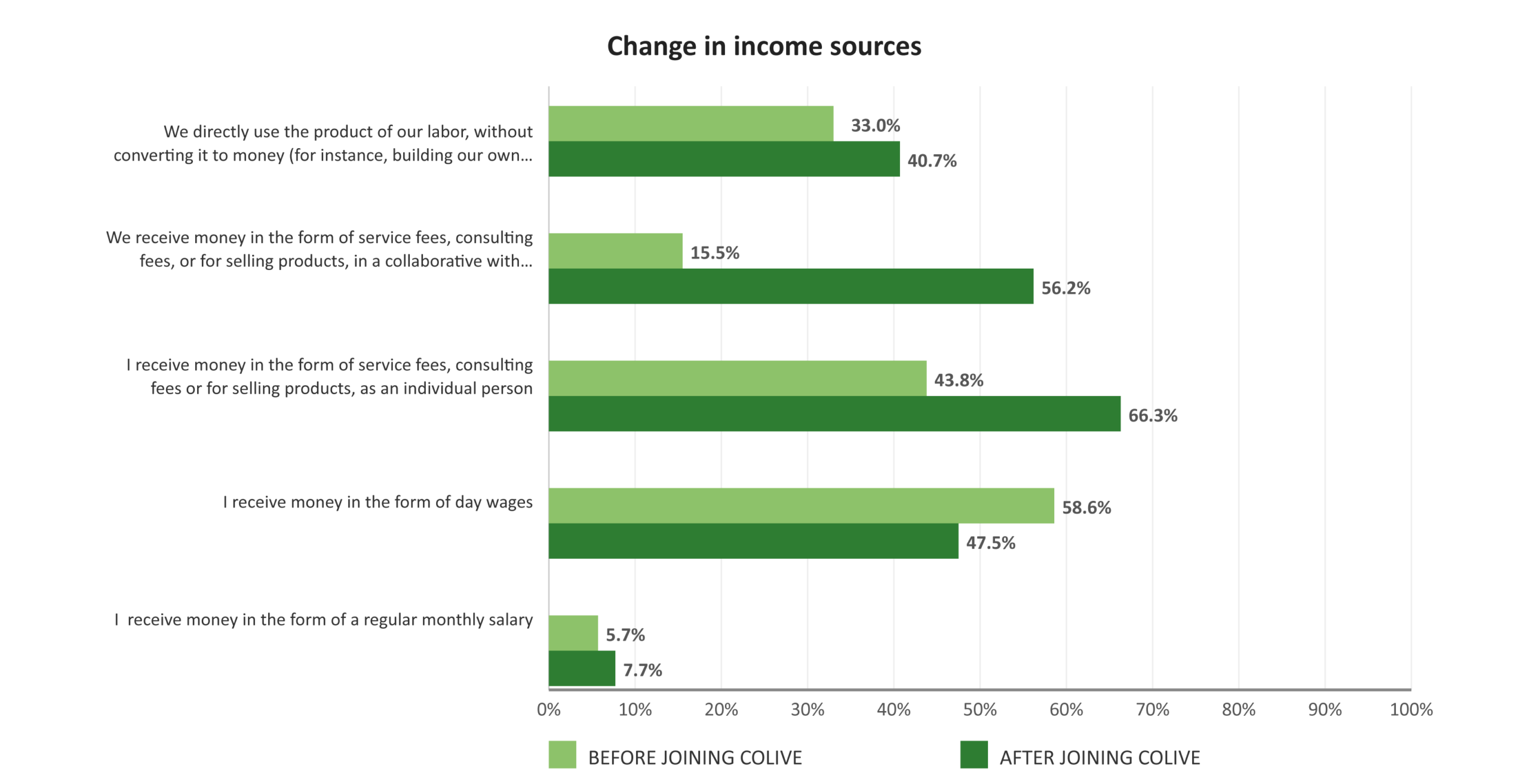
The collaborative livelihoods and hands-on skills training programme (Co-LIVE) reached 1,767 individuals in 75 livelihood groups.
409
409 inmates graduated from TVET programmes.
829
829 sociotherapy graduates received advanced training in entrepreneurship, cooperative governance, and business development.
529
529 members benefited from Co-LIVE business initiatives. Co-LIVE supported 40 small cooperative enterprises.

In line with the programme’s aim to build local capacities for sustainable healing and resilience,

256
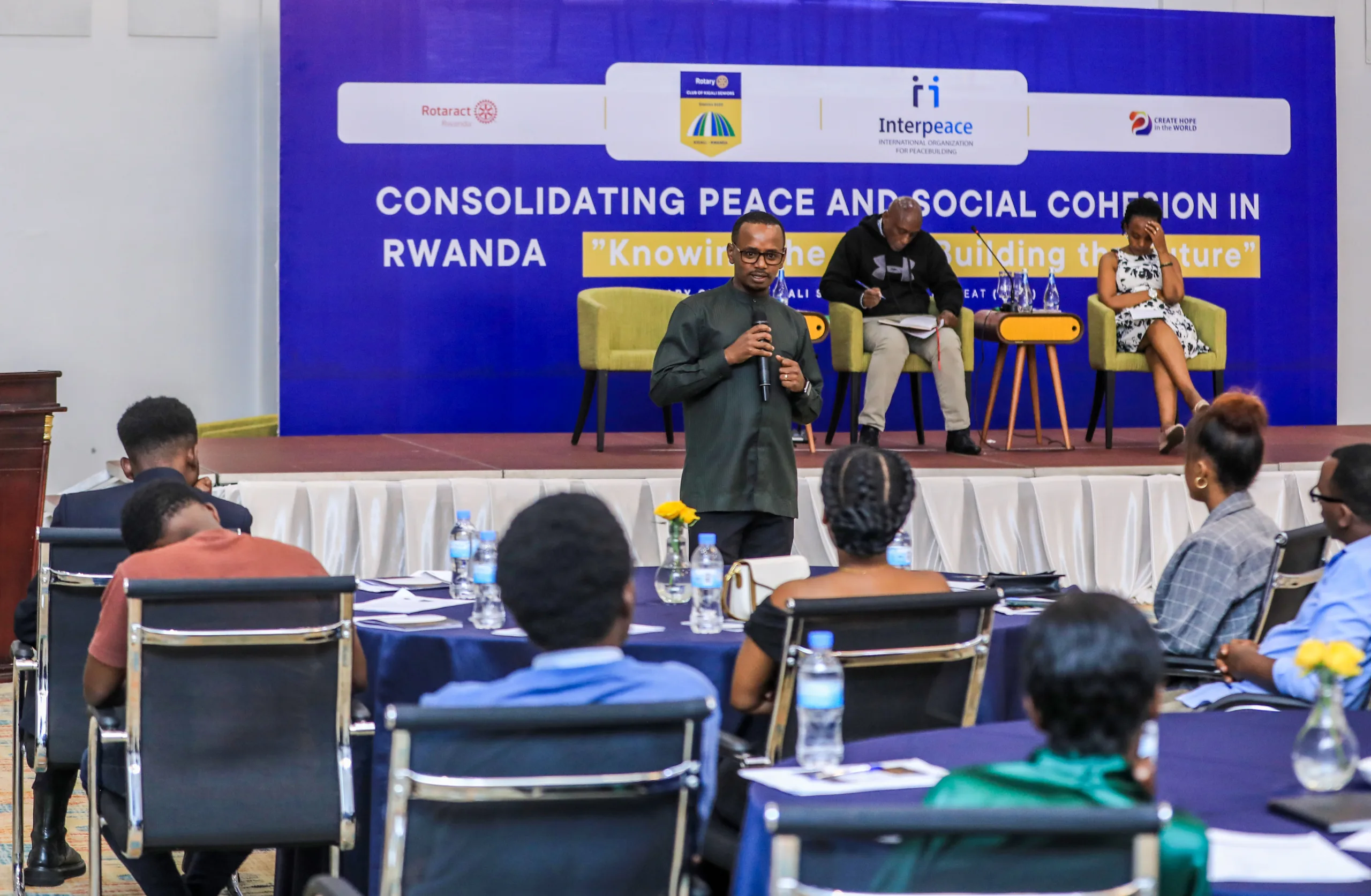
256 practitioners and facilitators received capacity-building training, including correctional officers, dialogue leaders and mental health professionals.
829
829 sociotherapy graduates received advanced training in entrepreneurship, cooperative governance, and business development.

To strengthen field operations, data collection and coordination, the programme issued:

43
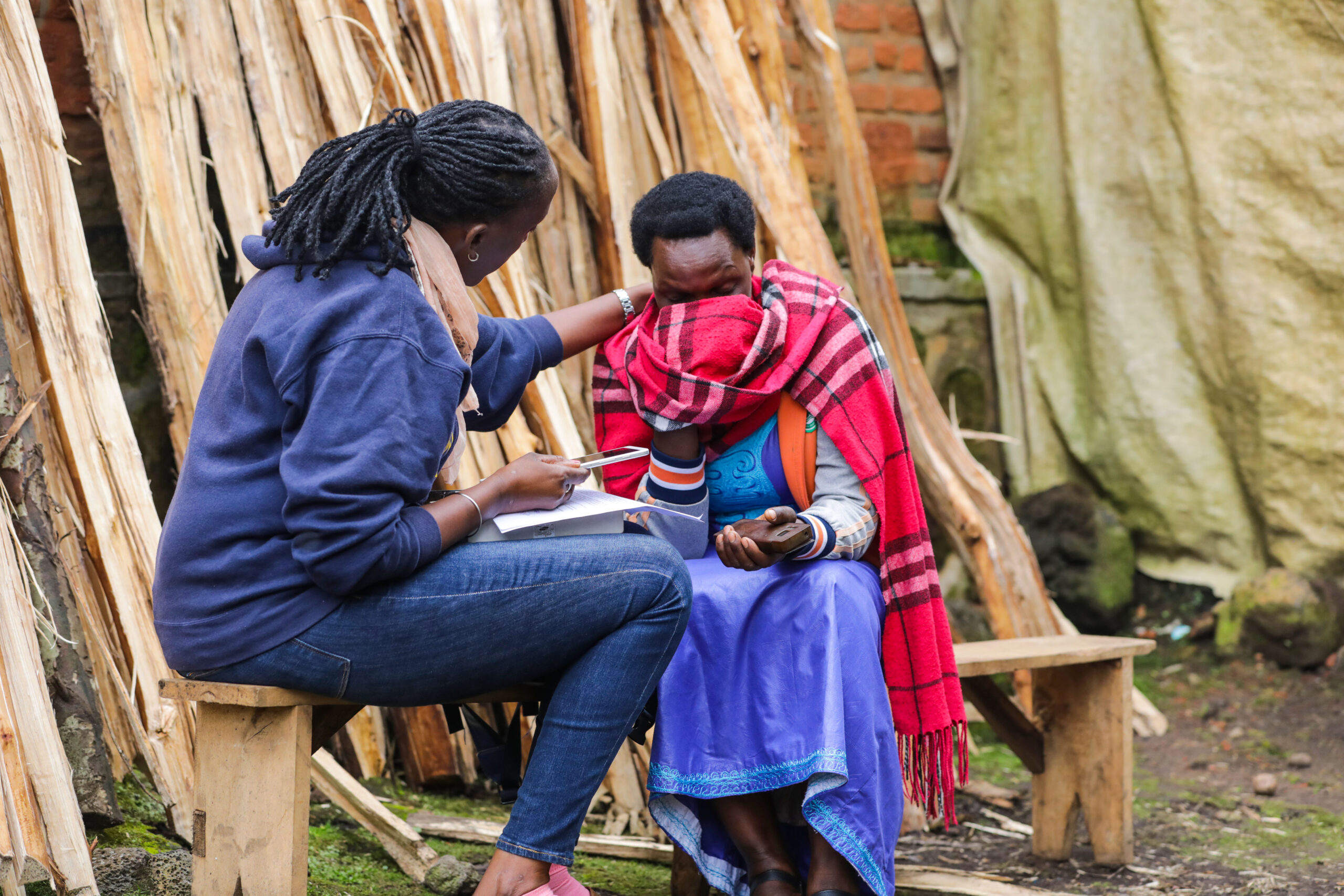
43 tablets to health centres, hospitals and correctional facilities to facilitate community screening, data recording and regular updates.
39
39 motorcycles to health centres and hospitals to facilitate community outreach and improve citizen access to mental healthcare services.

Psychological Resilience

Family Harmony

Social Cohesion

Collaborative Livelihoods

Prisoner Rehabilitation and Re-entry

Research and Publications

More Stories