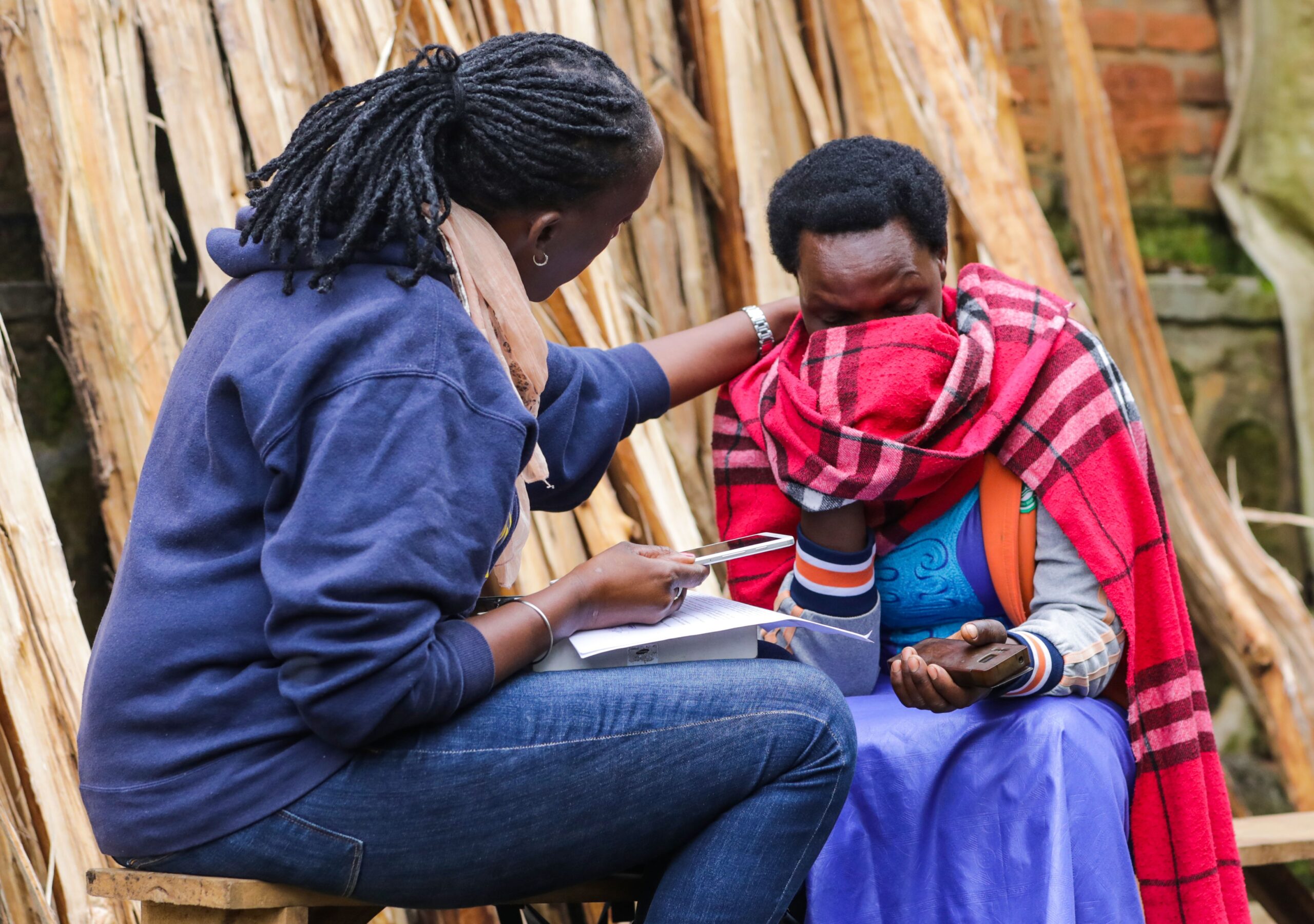
In times of violent conflict or disaster, humanitarian assistance often focuses on what is most visible: immediate life-saving aid, such as food, water, shelter, healthcare, and sanitation, alongside protection measures. Once the emergency subsides, attention turns to rebuilding homes, roads, and livelihoods. Yet what about the wounds we cannot see — the psychological ones? Beneath the surface, countless invisible wounds remain—grief over the loss of loved ones or property, fear of recurrence, and the guilt of survival. Without addressing these wounds, humanitarian aid remains incomplete, and rebuilding societies becomes a fragile endeavour.
Evidence from Interpeace’s extensive experience, research, and interventions in both emergency and post-conflict contexts has shown that Mental Health and Psychosocial Support (MHPSS) is a foundation for both emergency response and long-term peacebuilding. Whether amid the chaos of crisis or during the slow reconstruction of peace, MHPSS nurtures resilience, restores dignity, and rebuilds the social fabric.
We have witnessed these transformations in contexts such as Burkina Faso, where communities face a devastating decade-long humanitarian crisis driven by armed violence; in Rwanda, the site of one of the most rapid and brutal genocides of the modern era; and in Burundi and Somalia, where societies continue to rebuild after years of civil war. Across these experiences, healing minds has proven essential to sustaining peace and enabling societies to recover and thrive.
MHPSS as Primary Aid in Emergencies
There is no doubt about the necessity of providing MHPSS services to people affected by conflict — including refugees and internally displaced persons (IDPs). Two main reasons make MHPSS an essential component of humanitarian aid during emergencies.
First, extensive research has documented the range of mental health conditions that affect people living in conflict situations. A recent Interpeace study conducted in Burkina Faso’s Cascades region —which hosts large numbers of displaced people— found high levels of trauma, grief, fear, anxiety, guilt, shame, hopelessness, sleep disorders, aggressivity, and alcohol use disorder, among others, all of which impair daily functioning. For instance, 6% of the study population reported experiencing suicidal ideation, stating that life had no meaning to them.
These findings corroborate the World Health Organisation (WHO, 2019) estimates published in The Lancet, which indicate that one in five people in conflict settings lives with some form of mental disorder, and nearly one in ten suffers from a moderate or severe condition.
Second, people with severe mental disorders face elevated protection risks. They may experience abandonment, homelessness, sexual or domestic abuse, social stigma, or isolation. Providing psychosocial support helps them not only cope with their conditions but also retain their dignity.
“Many of us here suffer from several illnesses at once. I have ulcers, I lack sleep, my heart beats faster all the time, I live in constant fear, my thoughts torment me,” shared one displaced person in Burkina Faso’s Cascades region. Another added: “We chose not to talk about it, but many of us have lost the taste for life and hope for the future.”
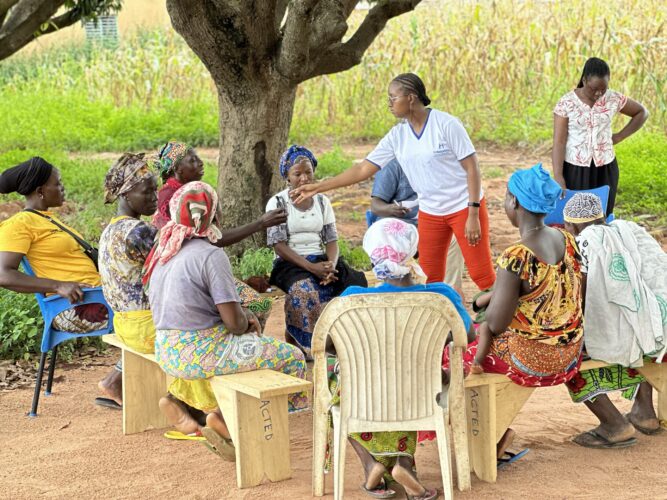
These conditions often stem from traumatic experiences such as losing loved ones or property and witnessing killings. Armed groups continue to abduct men and boys, leaving behind widows and orphans. While prevalence rates vary, mental health disorders also affect host communities, where pressure on resources and limited job opportunities can fuel mistrust and tension between hosts and displaced populations.
Because access to professional mental health care is limited, many people in the Cascades region turn to religion or traditional healers seeking solace. Although the government has identified MHPSS as a priority in its National Plan for Stabilisation and Development, the scale of needs far exceeds available capacity due to insufficient infrastructure, a shortage of professionals, and insecurity in areas controlled by armed groups.
Interpeace has provided group-based psychosocial interventions for displaced persons and host communities, helping individuals develop coping skills, stimulate healing, and enhance resilience. These interventions were paired with collaborative livelihood initiatives to improve socio-economic stability.
The psychosocial support interventions improved participants’ functionality and coping capacity. They strengthened people’s ability to think clearly, make decisions, and care for themselves and others. They also helped restore a sense of hope and control, enabling individuals to engage more effectively with humanitarian assistance, improve their livelihoods, and support one another.
Restoring Broken Minds, Rebuilding Trust, and Anchoring Peace
When conflicts end, the struggle continues —to rebuild infrastructure, restore livelihoods, and repair the social fabric. MHPSS remains crucial in this process, as unhealed trauma can undermine both individual recovery and collective development.
The Genocide against the Tutsi in Rwanda, more than three decades ago, left profound mental health consequences, including widespread post-traumatic stress disorder (PTSD), depression, anxiety, fear and panic disorder. The 2018 Rwanda Mental Health Survey by the Rwanda Biomedical Centre (RBC) found the prevalence of mental disorders to be 20.49% —significantly above the global average and even higher among genocide survivors.
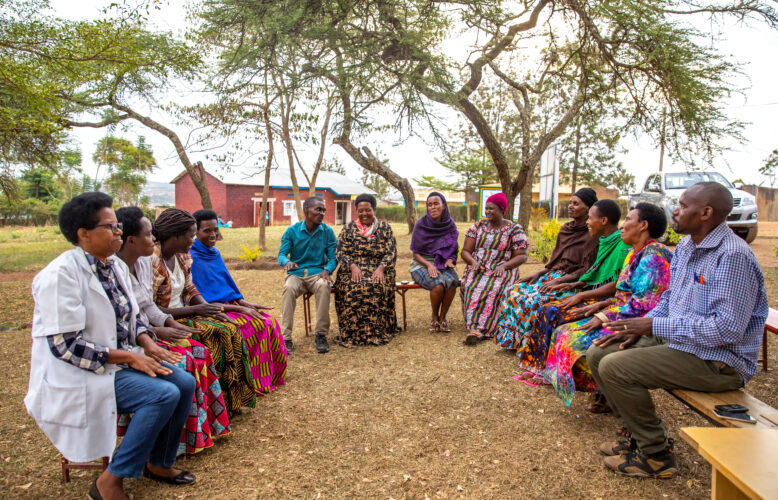
In response, the Government of Rwanda and its partners have implemented nationwide healing initiatives — including counselling, community dialogue, and restorative justice support to address unhealed trauma. Interpeace, in collaboration with the Ministry of Health (through RBC) and the Ministry of National Unity and Civic Engagement (MINUBUMWE), has adopted a holistic approach that provides safe spaces to address mental health issues, strengthen resilience, and foster reconciliation and social cohesion.
Safe spaces have been established within communities, health facilities, and correctional centres to decentralise MHPSS services and strengthen the capacity of professionals across the country.

The impact of these interventions has demonstrated that MHPSS should not be considered an optional add-on, but rather a continuum that bridges humanitarian relief, development, and long-term peacebuilding.
In Somalia, a country still rebuilding after decades of conflict, integrating MHPSS into Interpeace’s Miisaan Programme has helped raise awareness of the holistic approach needed to meaningfully advance transitional justice, rebuild trust, and strengthen social cohesion.
The prolonged conflict has severely affected the mental well-being of many Somalis. Qui estimates that in Somalia the prevalence of mental health illness is much higher than global estimates with one in every three people affected by mental illness, conditions which hinder their full participation in reconciliation and state-building efforts. Yet mental well-being remains an overlooked aspect of these processes.
To advance mental well-being in policy agendas, the Miisaan programme integrated awareness raising strategies that included community dialogues, MHPSS sessions, roundtable discussions with policy makers, media awareness campaigns, and training workshops for traditional leaders and mediators in psychosocial support. Mental health practitioners and volunteers also received Basic Psychosocial Support training, enabling them to advocate for mental health in reconciliation processes, support survivors of gender-based violence, and other vulnerable groups, especially those affected by community conflicts.
The Miisaan programme also successfully advocated for the inclusion of a MHPSS component within Somalia’s National Reconciliation Framework (NRF), which outlines policy actions that the Federal Government of Somalia (FGS) will implement with regards to mental health in transitional justice.
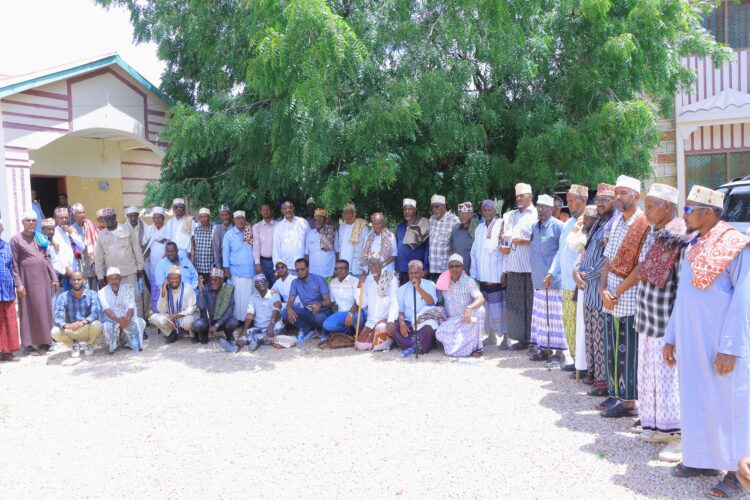
Through this initiative, MHPSS has contributed to effective transitional justice in Somalia by addressing trauma, anxiety, and depression, thus laying the foundation for genuine forgiveness, reconciliation, and the prevention of future violence.
In Burundi, years of civil war and cycles of violence have left deep psychological wounds and fractured relationships in Burundi’s social fabric, exacerbated by social and economic hardships. Many people suffer from undiagnosed mental health disorders, often attributing their symptoms to witchcraft — a belief that prevents them from seeking professional care.
Through the Synergies for Peace III initiative, Interpeace and its partners launched a psychoeducation campaign across communities and schools, featuring community dialogues, workshops with political actors and decision-makers, radio broadcasts, and participatory theatre. The campaign also included the production of educational content distributed through social media and intergenerational dialogues to facilitate an open dialogue across generations.
An evaluation found that 80% of participants said the campaign helped them understand the connection between their mental health symptoms and past traumatic events. It encouraged self-awareness, empathy, and collective healing, sparking honest dialogue and a reconciliation process.
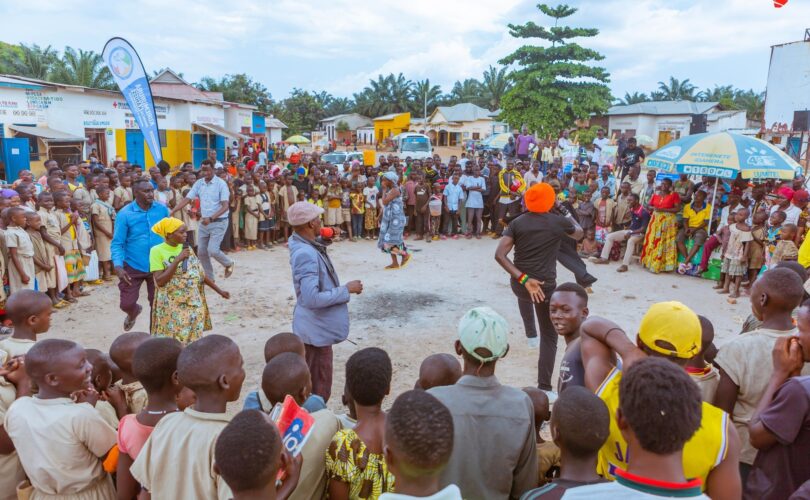
Individual testimonies during community and intergenerational dialogues also revealed ongoing challenges to social cohesion, from interethnic mistrust to economic hardship linked to unaddressed trauma. “Through testimonies during the intergenerational dialogues, I realised that because of past conflicts, some families still refuse inter-ethnic marriages,” noted a local authority.
In their joint policy paper, the Synergies for Peace consortium recommended that the Government of Burundi integrate trauma healing into peace and development programmes, a step that could accelerate progress toward the country’s Vision 2040–2060 and National Development Plan (2018–2027).
The experiences above show that MHPSS is both lifesaving and life-building. Addressing mental health only during emergencies is like treating a wound without tending to the scar. Likewise, focusing solely on post-conflict trauma overlooks the immediate and long-term needs of affected communities. Integrating MHPSS into all stages, from preparedness to response, recovery, and promoting peace-responsive leadership, is crucial for achieving sustainable peace, development, and the protection of human dignity.