Home - Interpeace : Interpeace

10

Years of Youth, 
Peace, and Security

This year marks the 10th anniversary of United Nations Security Council Resolution 2250 on Youth, Peace and Security (YPS), the first thematic resolution to formally recognise young people not only as passive beneficiaries of peace but as powerful agents in its creation and sustenance. Built around five interconnected pillars — participation, protection, prevention, partnership, and disengagement and reintegration, the YPS agenda has, over the past decade, catalysed a growing global movement.

This timeline highlights the key milestones of the agenda’s first decade, tracing its implementation at global, regional, national, and local levels, and recognising the advances driven by civil society along the way. While YPS remains a young agenda with much work ahead to achieve full implementation, the past 10 years have seen it rise in prominence and influence. Above all, this timeline is a reminder that young people have always been at the forefront of movements for justice, peace, and dignity. As we look to the future, continued investment in their leadership, meaningful, inclusion, and intergenerational solidarity will be essential to achieving sustainable peace.

Mid-2000s: UNOY, Search for Common Ground, Cordaid, YPIC (Youth Advocacy Team), and others begin building early momentum for YPS.

2005 onward: Youth organisations started lobbying for inclusion in the Security Council’s agenda and peacebuilding discussions, often in the margins of WPS debates.

2010: UN’s “Guiding Principles on Young People’s Participation in Peacebuilding” Developed

  • The UN’s guiding principles were developed by the UN Inter-Agency Working Group on Youth and Peacebuilding, supported by PBSO, UNDP, and Search for Common Ground. This was one of the first policy tools recognizing youth as peacebuilders.

Arab Spring (2010–2012) and youth-led protest movements across Africa, Latin America, and Europe

  • The movements (e.g. Occupy, Indignados, #FeesMustFall) drew global attention to the political agency of youth, shaping the framing of youth as agents of change rather than risks to be managed. These events accelerated UN interest in youth as political actors, not just recipients of development aid.

2012: Global Coalition on Youth, Peace, and Security (GCYPS) is formed

  • Established in 2012 under the UN Inter-Agency Network on Youth Development, the Global Coalition on Youth, Peace, and Security brings together a broad constituency including youth-led and youth-focused organizations, UN entities, donors, academia, intergovernmental bodies, and civil society to advance the YPS agenda. It provides overall guidance on how to coordinate the translation of the YPS framework into concrete action.

17 January 2013: The establishment of the Office of the Secretary-General’s Envoy on Youth (OSGEY).

Ahmad Alhendawi named first UN Youth Envoy (2013-2017). Alhendawi focused on building institutional linkages with youth-led organisations and creating a cohesive framework for youth development across the UN’s operational arms.

These foundational efforts laid the groundwork for the unanimous adoption of UNSC Resolution 2250 in December 2015, marking the formal recognition of youth as critical actors in the promotion of peace and security.

15 – 16 August 2015: L' Amman Youth Declaration on YPS adopted just prior to UNSCR 2250.
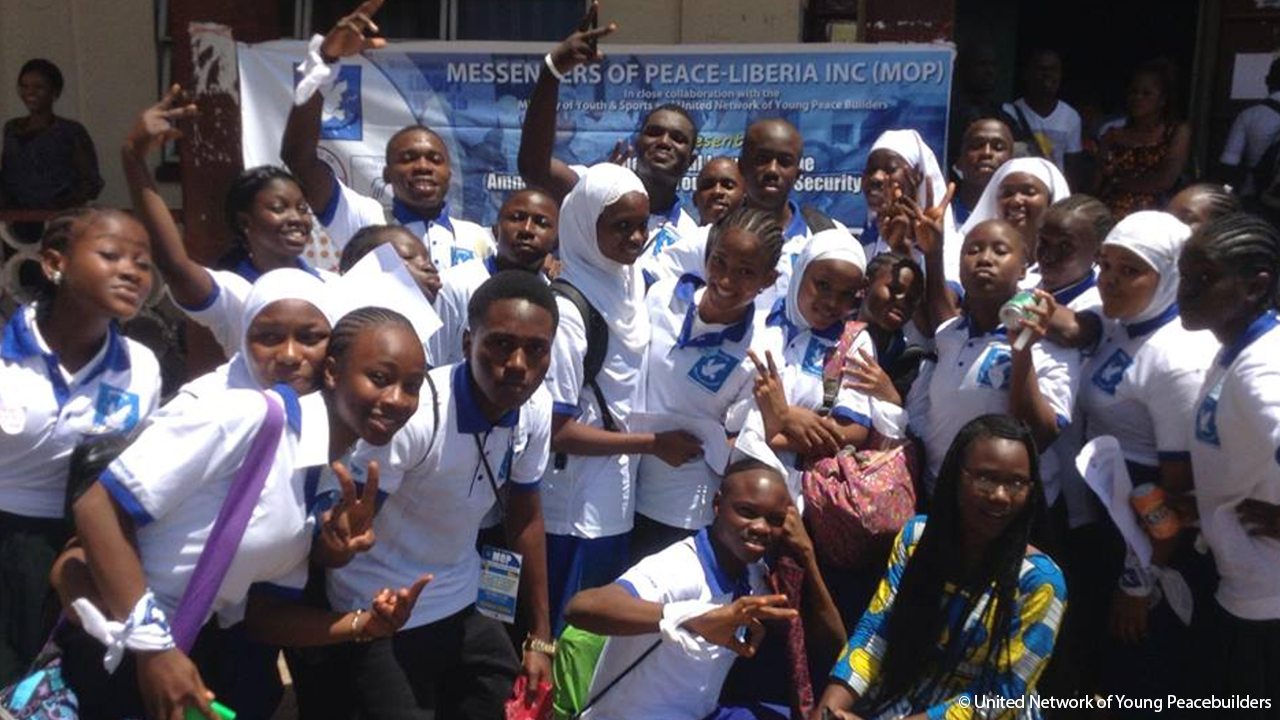
  • The declaration came out of the Global Forum on Youth, Peace and Security, co-hosted by the Hashemite Kingdom of Jordan, UNDP, and UNFPA. Amman Youth Declaration was adopted by over 10,000 youth and stakeholders from 110+ countries — calling for youth inclusion in peace processes and political decision-making. The Forum directly influenced the drafting of UNSCR 2250 and is considered a foundational moment for the YPS agenda.

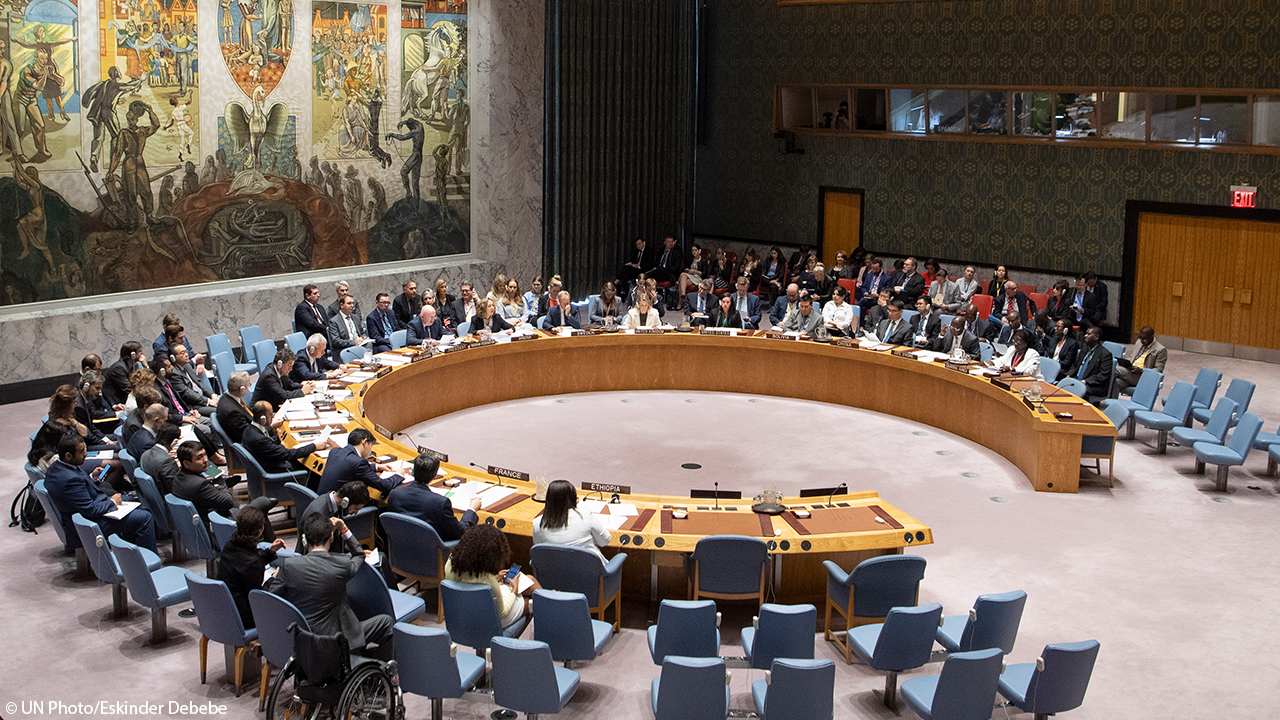
9 December 2015: Passage of UNSC Resolution 2250
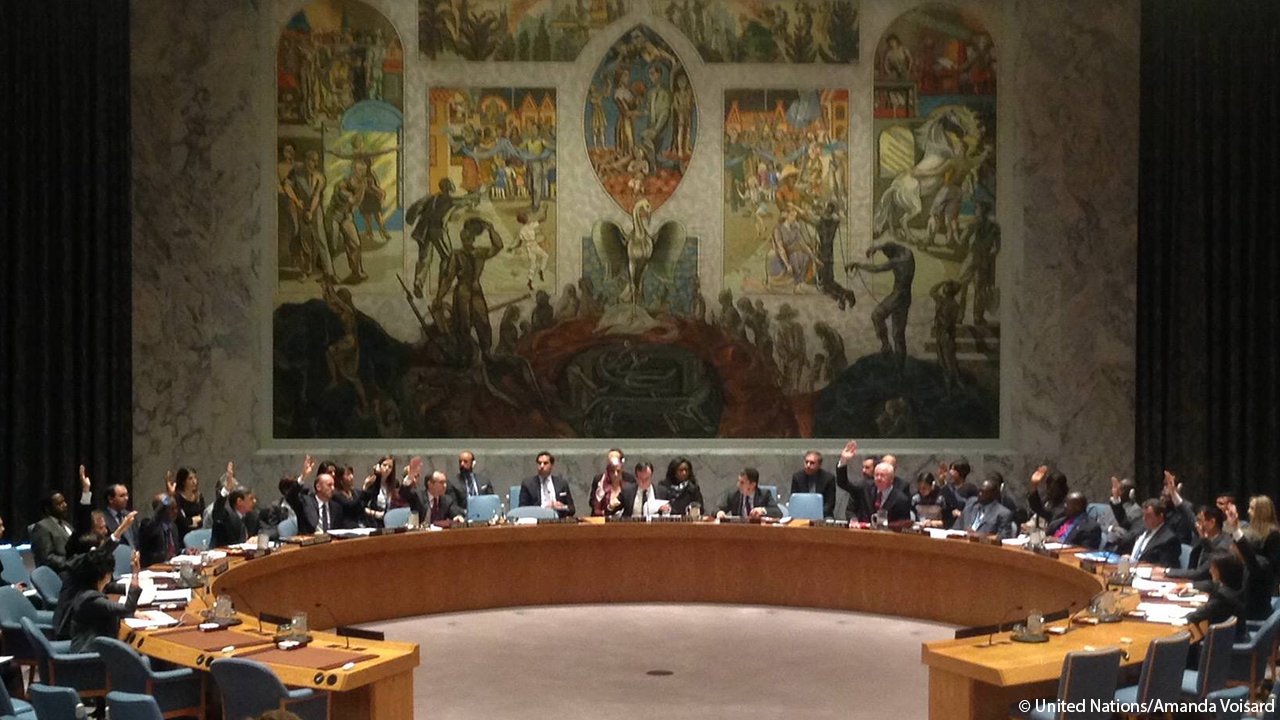
  • First thematic resolution on youth and peace and security. It articulated five guiding pillars for the YPS agenda: participation, protection, prevention, partnership, and disengagement and reintegration. Jordan played a significant role in initiating this resolution.

2015: The Advisory Group of Experts (AGE) for the Peacebuilding Architecture Review highlights youth inclusion as central to sustaining peace.
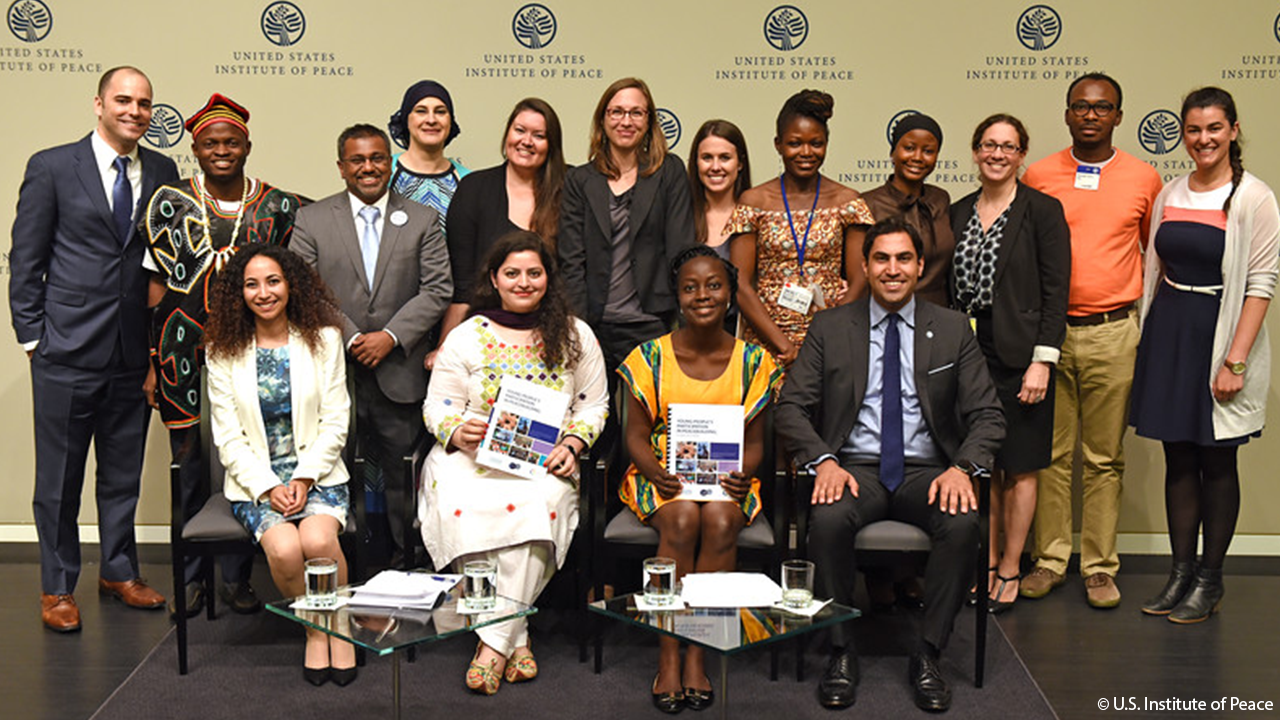
The UN Secretary-General commissioned the Independent Progress Study in 2016
  • Mandated by UNSCR 2250, the study assessed youth contributions to peace and security. The study was grounded in a radically participatory methodology — engaging over 4,200 young people from 153 countries through consultations, focus groups, and regional dialogues over two years.
  • Throughout 2016, many youth organisations and UN partners held national and regional consultations feeding into the Progress Study. This catalysed the emergence of YPS networks at national and regional levels, such as in West Africa, Latin America, and the MENA region.

Following UNSCR 2250, the UN Inter-Agency Working Group on Youth and Peacebuilding was revitalised in 2016 to coordinate system-wide YPS implementation. The group included UNFPA, PBSO (now DPPA/PBSO), UNDP, UNOY, and Search for Common Ground, among others.

L' Peacebuilding Fund (PBF), under PBSO, launched its first dedicated call for youth-focused projects through the Gender and Youth Promotion Initiative. This marked a significant step in mainstreaming youth as peacebuilding actors through funding.

20 June 2017: Jayathma Wickramanayake named second UN Youth Envoy (2017-2024)

  • Wickramanayake served as the first female envoy and was instrumental in launching Youth 2030, the UN’s system-wide youth strategy, and advocating for the creation of the UN Youth Office.

9 December 2017: Jordan Youth Peace and Security 2250 National Coalition is created, one of the first countries to establish a national multi-stakeholder coalition in support of 2250.
Early steps toward national YPS coalitions also emerge in other countries such as Nigeria, Colombia, and the Democratic Republic of the Congo

2017: “Group of Champions” on YPS is formed:
  • In 2017, under the leadership of Jordan and Norway a “group of champions” was established to advance the YPS agenda. This group of member states aims to mobilize political will, coordinate policy efforts, and promote the development of action plans to further the implementation of YPS agenda. The group plays a critical role in advocating for youth inclusion in peace and security processes, supporting the implementation of regional and nation YPS strategies, and strengthening financing and accountability mechanisms.

23 April 2018: Presentation of the Progress Study on Youth, Peace and Security to the UNSC

  • Mandated by UNSCR 2250, the first independent progress study on youth, peace, and security was launched in 2016 and conducted through a participatory process that engaged 4,230 young people from 153 countries. The study highlighted young people’s positive contributions to peace processes and conflict resolution, and offered concrete recommendations for implementing the YPS agenda. It called for a shift from viewing youth as problems to be solved to recognizing them as partners in peace, urging a new social contract that centers youth leadership, inclusion, and trust as the foundation for sustaining peace, and became the normative backbone of the YPS agenda.

6 June 2018: Passage of UNSCR 2419

  • The second Security Council resolution on YPS. Resolution 2419 explicitly urges Member States and relevant stakeholders to ensure the inclusive representation of youth in formal peace negotiations and implementation mechanisms

24 September 2018: UN Secretary General announces Youth2030 strategy

  • Youth2030 is the United Nations umbrella strategy for working with and for youth across all pillars of its work. It serves as the primary coordination and implementation framework for the YPS agenda within the UN system. It aims to strengthen mechanisms for meaningful youth engagement, ensure follow-up, and foster coherence in how the UN advances youth priorities across agencies and mandates. It also seeks to align the YPS agenda with the 2030 Agenda for Sustainable Development and other global frameworks to embed youth leadership and participation across UN programming and ensure effective, efficient engagement with young people.

2019: The UN System-Wide Guidelines on Youth, Peace and Security were developed by the UN Inter-Agency Working Group on YPS (co-led by DPPA, UNFPA, and UNOY Peacebuilders).

  • The Guidelines translated the normative framework of UNSCR 2250 and the Progress Study (The Missing Peace) into practical guidance for UN entities and partners.

November 2019 (Abidjan, Côte d’Ivoire): The first high-level regional conference on YPS in Africa was co-organized by the African Union, UNDP, and the Government of Côte d’Ivoire.

  • This paved the way for the development of the African Union Continental Framework on YPS, later adopted in 2022.

14 July 2020: Passage of UNSCR 2535

  • The third Security Council resolution on Youth, Peace and Security, Resolution 2535 created a requirement for biennial reporting by the Secretary-General on YPS implementation, effectively securing a permanent space for youth issues on the Security Council’s agenda

September 2020: First UN Secretary-General’s Report on YPS

  • The first YPS report reviews global progress and challenges in implementing the YPS agenda and offers actionable recommendations to strengthen coordination, financing, and national-level implementation.

20 August 2021: Finland became the first country to adopt a dedicated National Action Plan on YPS

  • Finland adopts the first domestic legal implementation of YPS - developed through a participatory process involving young people, youth organisations, government ministries, research institutions, and civil society actors (currently preparing an updated NAP and has open call for consultations with youth)

3 November 2021: Nigeria Adopts National Action Plan on YPS

23 June 2022: Adoption of the African Union Continental Framework on YPS

  • Regional framework supporting member states in operationalising YPS commitments across Africa. A 10-year implementation plan accompanies the framework, emphasising accountability, coordination, and youth leadership.

12 August 2022: Democratic Republic of the Congo Adopts National Action Plan on YPS

30 August 2022: Philippines Adopts National Action Plan on YPS

8 September 2022: Passage of UNGAR 76/305

  • Resolution 76/305 “Financing for Peacebuilding Resolution,” which explicitly calls for increased investment in youth-led initiatives and organizations to ensure the full participation of youth in the design, implementation, and monitoring of peacebuilding efforts. It urges the UN system and donors to expand flexible, multi-year financing, including pooled funds, and recognizes that youth participation is critical to advancing nationally owned peace processes.

8 September 2022: Creation of the UN Youth Office

  • Institutionalising youth within the UN system and advancing the SG’s Youth2030 Strategy

26 May 2023: Arab Regional Strategy for Youth, Peace, and Security

  • The Council of Arab Ministers of Youth and Sports adopted Resolution No. 1010, initiating the development of the Arab Strategy for Youth, Peace and Security (2023–2028). It aims to institutionalize youth participation in peace and security efforts across the Arab region, strengthen national and regional cooperation, and enhance the contributions of young people to building peaceful, resilient societies.

27 October 2023: Felipe Paullier Named First Assistant Secretary-General for Youth Affairs (2023-Present)

  • Paullier has placed a strong emphasis on structural reform, inter-agency coordination, and accountability mechanisms to ensure equitable and meaningful youth participation.

September 2024: Adoption of the Pact for the Future: The Pact for the Future reaffirms Member States’ commitment to intergenerational solidarity and recognizes youth as essential actors in building peaceful, just, and sustainable societies. It calls for increased support to youth-led initiatives and more inclusive, accountable institutions. Youth networks and civil society actors play a key role in shaping the Pact’s peace-related commitments. The Pact explicitly mandates the development of a second independent Progress Study on Youth, Peace and Security.

November 2024: Malawi Adopts National Action Plan on YPS

Under the leadership of ASG Felipe Paullier, the UN Youth Office consolidates its role in system-wide coordination and strengthens partnerships with UN agencies and civil society to advance Youth2030 and YPS.

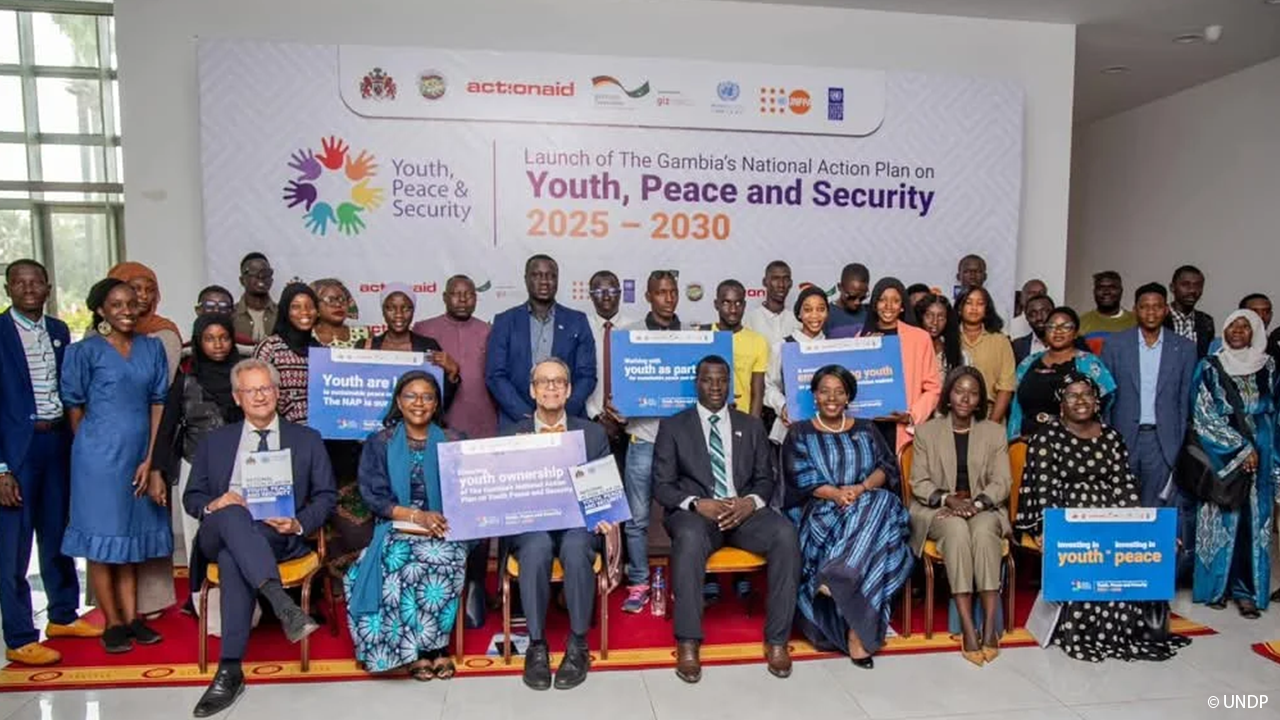
20 February 2025: Gambia Adopts National Action Plan on YPS

2025: Development of the Second Independent Progress Study on YPS Begin

  • Following the Pact for the Future, work begins on a second global progress study to evaluate YPS implementation since UNSCR 2250. The study will be youth-led and participatory, and is expected to inform the 2025 Peacebuilding Architecture Review and future peacebuilding strategies.
These developments were paralleled by a gradual increasing of mainstreaming of YPS through the Peacebuilding Fund (PBF) allocations (Gender and Youth Promotion Initiative), the establishment of youth advisory groups in missions and agencies (e.g. UNFPA, UNDP, and OHCHR), Department of Political and Peacebuilding Affairs strategies, national peacebuilding programming, and expansions of the United Nations Youth Delegate Programme

Mid-2000s: UNOY, Search for Common Ground, Cordaid, YPIC (Youth Advocacy Team), and others begin building early momentum for YPS.

2005 onward: Youth organisations started lobbying for inclusion in the Security Council’s agenda and peacebuilding discussions, often in the margins of WPS debates.

2010: UN’s “Guiding Principles on Young People’s Participation in Peacebuilding” Developed

  • The UN’s guiding principles were developed by the UN Inter-Agency Working Group on Youth and Peacebuilding, supported by PBSO, UNDP, and Search for Common Ground. This was one of the first policy tools recognizing youth as peacebuilders.

Arab Spring (2010–2012) and youth-led protest movements across Africa, Latin America, and Europe

  • The movements (e.g. Occupy, Indignados, #FeesMustFall) drew global attention to the political agency of youth, shaping the framing of youth as agents of change rather than risks to be managed. These events accelerated UN interest in youth as political actors, not just recipients of development aid.

2012: Global Coalition on Youth, Peace, and Security (GCYPS) is formed

  • Established in 2012 under the UN Inter-Agency Network on Youth Development, the Global Coalition on Youth, Peace, and Security brings together a broad constituency including youth-led and youth-focused organizations, UN entities, donors, academia, intergovernmental bodies, and civil society to advance the YPS agenda. It provides overall guidance on how to coordinate the translation of the YPS framework into concrete action.

17 January 2013: The establishment of the Office of the Secretary-General’s Envoy on Youth (OSGEY).

Ahmad Alhendawi named first UN Youth Envoy (2013-2017). Alhendawi focused on building institutional linkages with youth-led organisations and creating a cohesive framework for youth development across the UN’s operational arms.

These foundational efforts laid the groundwork for the unanimous adoption of UNSC Resolution 2250 in December 2015, marking the formal recognition of youth as critical actors in the promotion of peace and security.

15 – 16 August 2015: L' Amman Youth Declaration on YPS adopted just prior to UNSCR 2250.

  • The declaration came out of the Global Forum on Youth, Peace and Security, co-hosted by the Hashemite Kingdom of Jordan, UNDP, and UNFPA. Amman Youth Declaration was adopted by over 10,000 youth and stakeholders from 110+ countries — calling for youth inclusion in peace processes and political decision-making. The Forum directly influenced the drafting of UNSCR 2250 and is considered a foundational moment for the YPS agenda.

9 December 2015: Passage of UNSC Resolution 2250

  • First thematic resolution on youth and peace and security. It articulated five guiding pillars for the YPS agenda: participation, protection, prevention, partnership, and disengagement and reintegration. Jordan played a significant role in initiating this resolution.

2015: The Advisory Group of Experts (AGE) for the Peacebuilding Architecture Review highlights youth inclusion as central to sustaining peace.

The UN Secretary-General commissioned the Independent Progress Study in 2016

  • Mandated by UNSCR 2250, the study assessed youth contributions to peace and security. The study was grounded in a radically participatory methodology — engaging over 4,200 young people from 153 countries through consultations, focus groups, and regional dialogues over two years.
  • Throughout 2016, many youth organisations and UN partners held national and regional consultations feeding into the Progress Study. This catalysed the emergence of YPS networks at national and regional levels, such as in West Africa, Latin America, and the MENA region.

Following UNSCR 2250, the UN Inter-Agency Working Group on Youth and Peacebuilding was revitalised in 2016 to coordinate system-wide YPS implementation. The group included UNFPA, PBSO (now DPPA/PBSO), UNDP, UNOY, and Search for Common Ground, among others.

L' Peacebuilding Fund (PBF), under PBSO, launched its first dedicated call for youth-focused projects through the Gender and Youth Promotion Initiative. This marked a significant step in mainstreaming youth as peacebuilding actors through funding.

20 June 2017: Jayathma Wickramanayake named second UN Youth Envoy (2017-2024)

  • Wickramanayake served as the first female envoy and was instrumental in launching Youth 2030, the UN’s system-wide youth strategy, and advocating for the creation of the UN Youth Office.

9 December 2017: Jordan Youth Peace and Security 2250 National Coalition is created, one of the first countries to establish a national multi-stakeholder coalition in support of 2250.

Early steps toward national YPS coalitions also emerge in other countries such as Nigeria, Colombia, and the Democratic Republic of the Congo

2017: “Group of Champions” on YPS is formed:
  • In 2017, under the leadership of Jordan and Norway a “group of champions” was established to advance the YPS agenda. This group of member states aims to mobilize political will, coordinate policy efforts, and promote the development of action plans to further the implementation of YPS agenda. The group plays a critical role in advocating for youth inclusion in peace and security processes, supporting the implementation of regional and nation YPS strategies, and strengthening financing and accountability mechanisms.

23 April 2018: Presentation of the Progress Study on Youth, Peace and Security to the UNSC
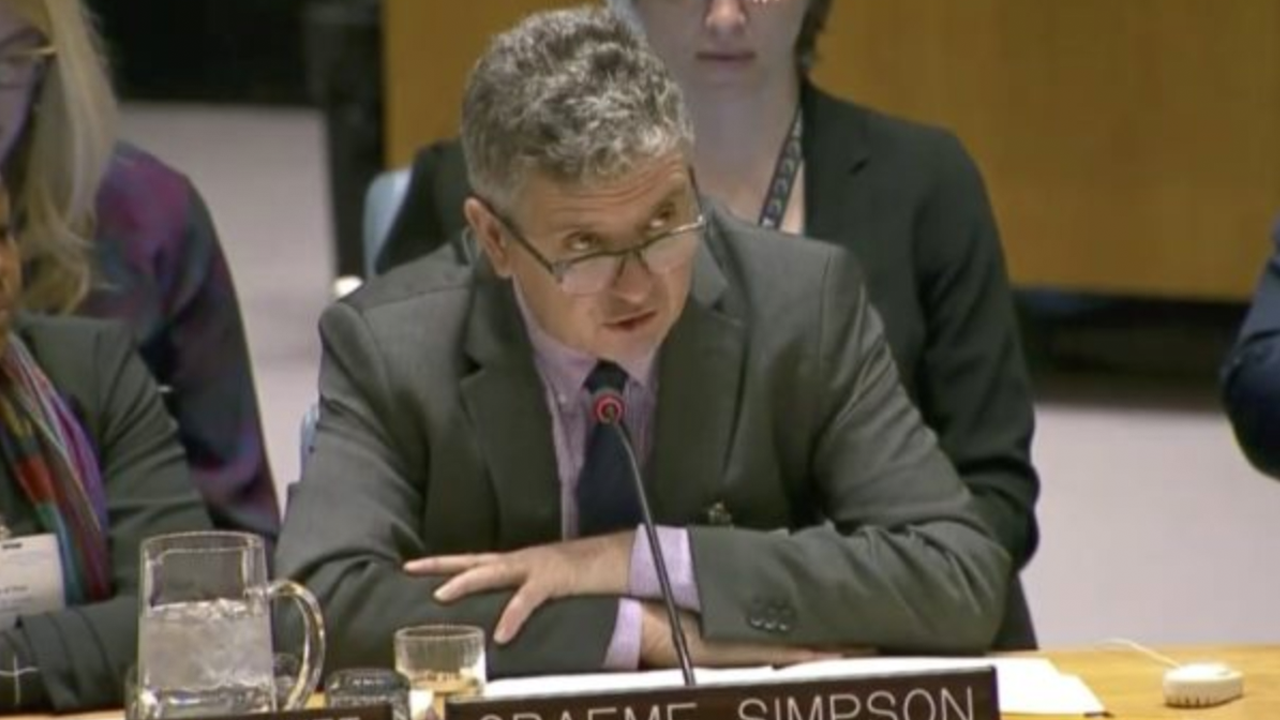
  • Mandated by UNSCR 2250, the first independent progress study on youth, peace, and security was launched in 2016 and conducted through a participatory process that engaged 4,230 young people from 153 countries. The study highlighted young people’s positive contributions to peace processes and conflict resolution, and offered concrete recommendations for implementing the YPS agenda. It called for a shift from viewing youth as problems to be solved to recognizing them as partners in peace, urging a new social contract that centers youth leadership, inclusion, and trust as the foundation for sustaining peace, and became the normative backbone of the YPS agenda.

6 June 2018: Passage of UNSCR 2419

  • The second Security Council resolution on YPS. Resolution 2419 explicitly urges Member States and relevant stakeholders to ensure the inclusive representation of youth in formal peace negotiations and implementation mechanisms

24 September 2018: UN Secretary General announces Youth2030 strategy
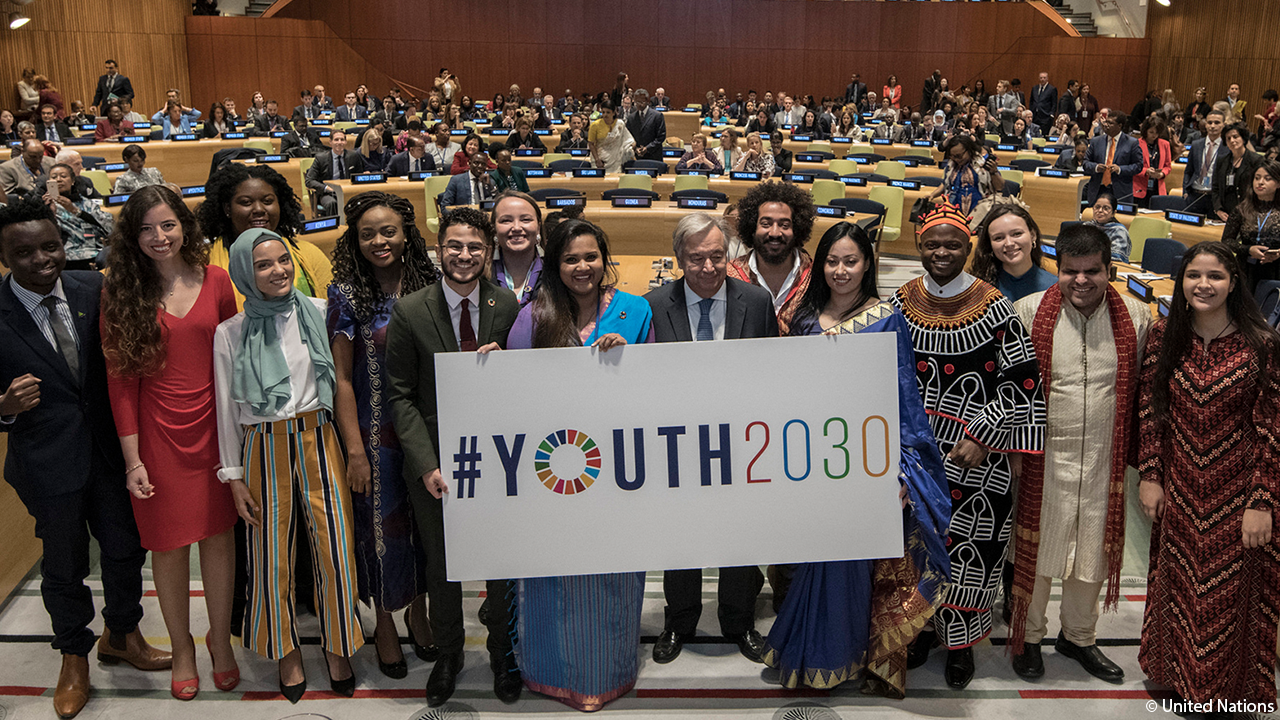
  • Youth2030 is the United Nations umbrella strategy for working with and for youth across all pillars of its work. It serves as the primary coordination and implementation framework for the YPS agenda within the UN system. It aims to strengthen mechanisms for meaningful youth engagement, ensure follow-up, and foster coherence in how the UN advances youth priorities across agencies and mandates. It also seeks to align the YPS agenda with the 2030 Agenda for Sustainable Development and other global frameworks to embed youth leadership and participation across UN programming and ensure effective, efficient engagement with young people.

2019: The UN System-Wide Guidelines on Youth, Peace and Security were developed by the UN Inter-Agency Working Group on YPS (co-led by DPPA, UNFPA, and UNOY Peacebuilders).

  • The Guidelines translated the normative framework of UNSCR 2250 and the Progress Study (The Missing Peace) into practical guidance for UN entities and partners.

November 2019 (Abidjan, Côte d’Ivoire): The first high-level regional conference on YPS in Africa was co-organized by the African Union, UNDP, and the Government of Côte d’Ivoire.

  • This paved the way for the development of the African Union Continental Framework on YPS, later adopted in 2022.

14 July 2020: Passage of UNSCR 2535

  • The third Security Council resolution on Youth, Peace and Security, Resolution 2535 created a requirement for biennial reporting by the Secretary-General on YPS implementation, effectively securing a permanent space for youth issues on the Security Council’s agenda

September 2020: First UN Secretary-General’s Report on YPS
  • The first YPS report reviews global progress and challenges in implementing the YPS agenda and offers actionable recommendations to strengthen coordination, financing, and national-level implementation.

20 August 2021: Finland became the first country to adopt a dedicated National Action Plan on YPS

  • Findland adopts the first domestic legal implementation of YPS - developed through a participatory process involving young people, youth organisations, government ministries, research institutions, and civil society actors (currently preparing an updated NAP and has open call for consultations with youth)

3 November 2021: Nigeria Adopts National Action Plan on YPS

23 June 2022: Adoption of the African Union Continental Framework on YPS
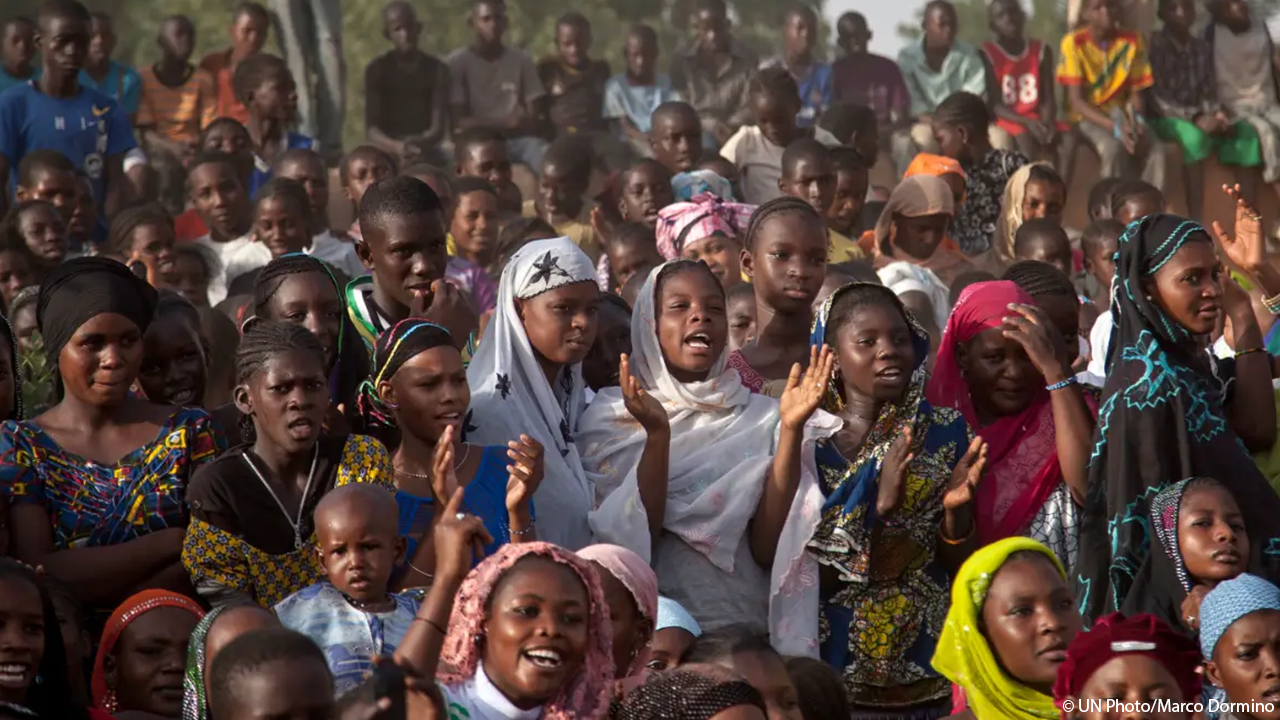
  • Regional framework supporting member states in operationalising YPS commitments across Africa. A 10-year implementation plan accompanies the framework, emphasising accountability, coordination, and youth leadership.

12 August 2022: Democratic Republic of the Congo Adopts National Action Plan on YPS

30 August 2022: Philippines Adopts National Action Plan on YPS

8 September 2022: Passage of UNGAR 76/305

  • Resolution 76/305 “Financing for Peacebuilding Resolution,” which explicitly calls for increased investment in youth-led initiatives and organizations to ensure the full participation of youth in the design, implementation, and monitoring of peacebuilding efforts. It urges the UN system and donors to expand flexible, multi-year financing, including pooled funds, and recognizes that youth participation is critical to advancing nationally owned peace processes.

8 September 2022: Creation of the UN Youth Office
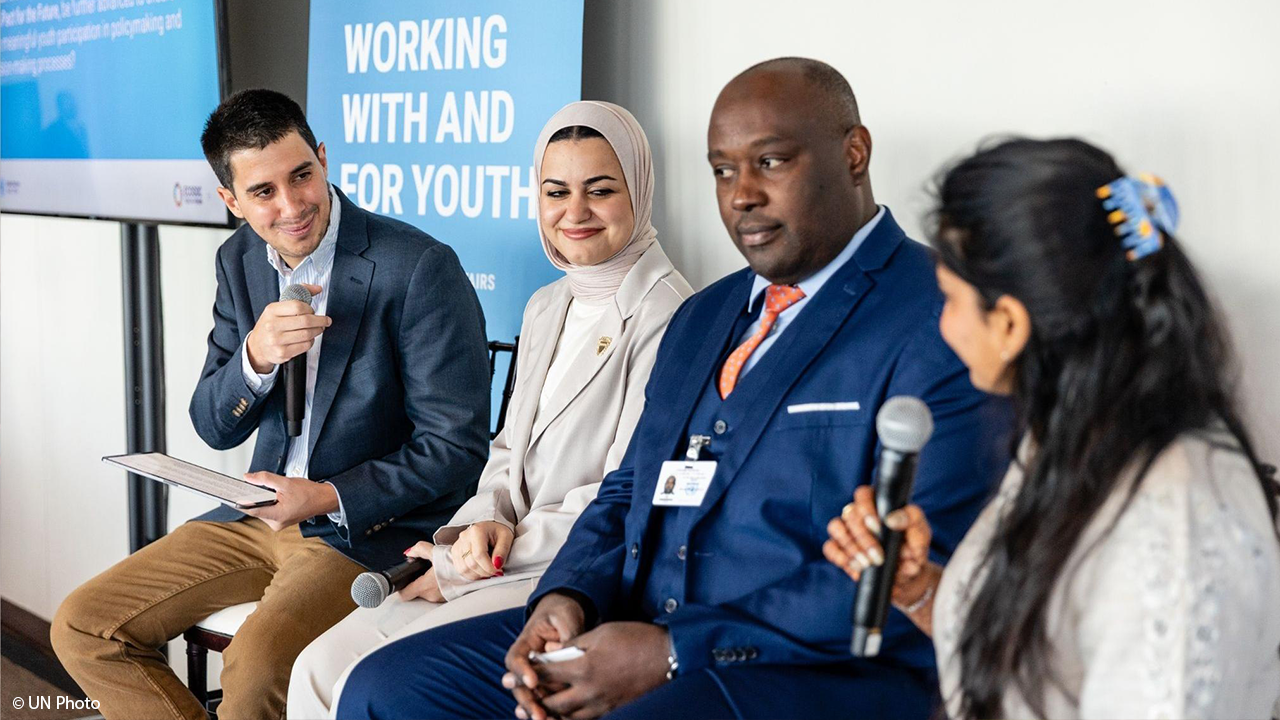
  • Institutionalising youth within the UN system and advancing the SG’s Youth2030 Strategy

26 May 2023: Arab Regional Strategy for Youth, Peace, and Security
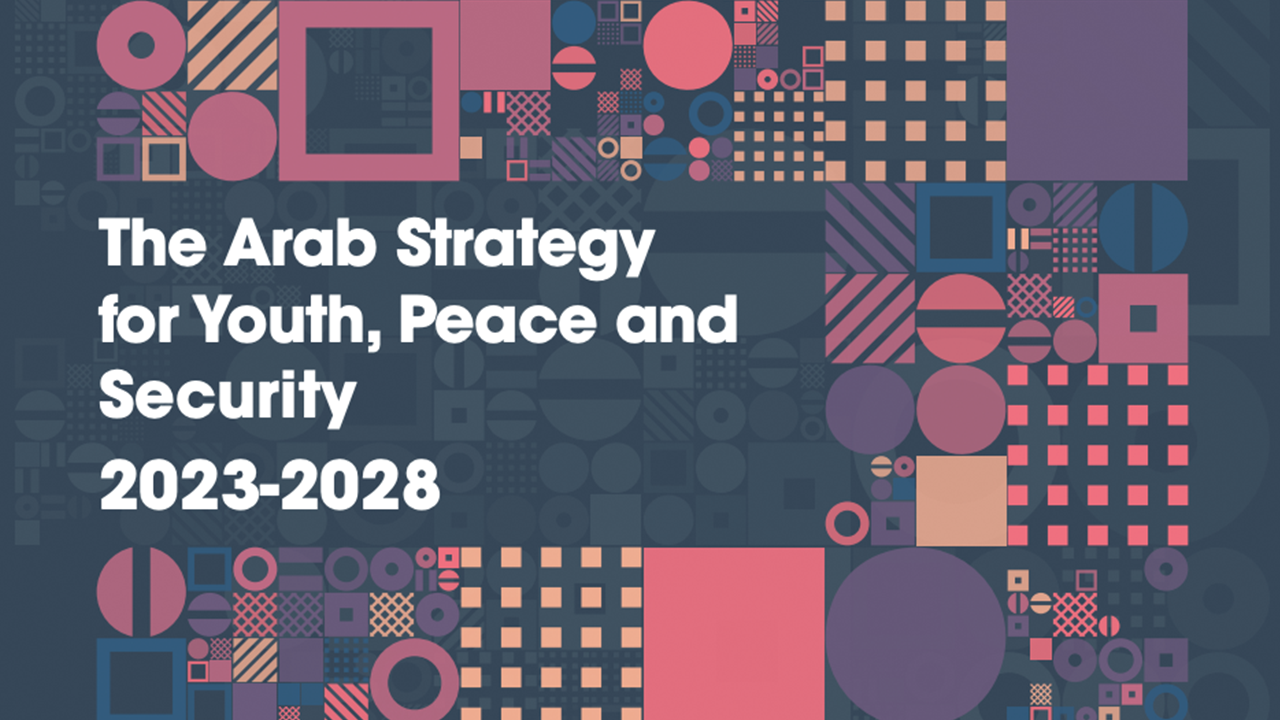
  • The Council of Arab Ministers of Youth and Sports adopted Resolution No. 1010, initiating the development of the Arab Strategy for Youth, Peace and Security (2023–2028). It aims to institutionalize youth participation in peace and security efforts across the Arab region, strengthen national and regional cooperation, and enhance the contributions of young people to building peaceful, resilient societies.

27 October 2023: Felipe Paullier Named First Assistant Secretary-General for Youth Affairs (2023-Present)
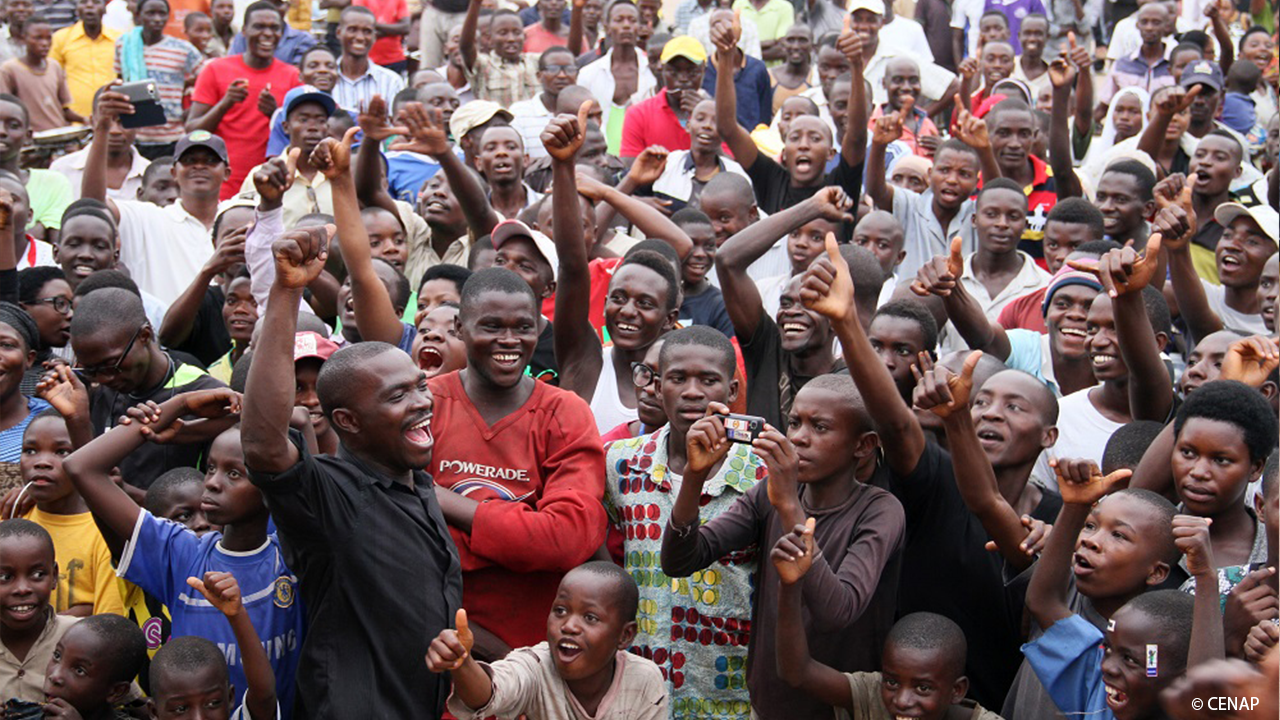
  • Paullier has placed a strong emphasis on structural reform, inter-agency coordination, and accountability mechanisms to ensure equitable and meaningful youth participation.

September 2024: Adoption of the Pact for the Future: The Pact for the Future reaffirms Member States’ commitment to intergenerational solidarity and recognizes youth as essential actors in building peaceful, just, and sustainable societies. It calls for increased support to youth-led initiatives and more inclusive, accountable institutions. Youth networks and civil society actors play a key role in shaping the Pact’s peace-related commitments. The Pact explicitly mandates the development of a second independent Progress Study on Youth, Peace and Security.
November 2024: Malawi Adopts National Action Plan on YPS

Under the leadership of ASG Felipe Paullier, the UN Youth Office consolidates its role in system-wide coordination and strengthens partnerships with UN agencies and civil society to advance Youth2030 and YPS.

20 February 2025: Gambia Adopts National Action Plan on YPS
2025: Development of the Second Independent Progress Study on YPS Begin

  • Following the Pact for the Future, work begins on a second global progress study to evaluate YPS implementation since UNSCR 2250. The study will be youth-led and participatory, and is expected to inform the 2025 Peacebuilding Architecture Review and future peacebuilding strategies.
These developments were paralleled by a gradual increasing of mainstreaming of YPS through the Peacebuilding Fund (PBF) allocations (Gender and Youth Promotion Initiative), the establishment of youth advisory groups in missions and agencies (e.g. UNFPA, UNDP, and OHCHR), Department of Political and Peacebuilding Affairs strategies, national peacebuilding programming, and expansions of the United Nations Youth Delegate Programme.