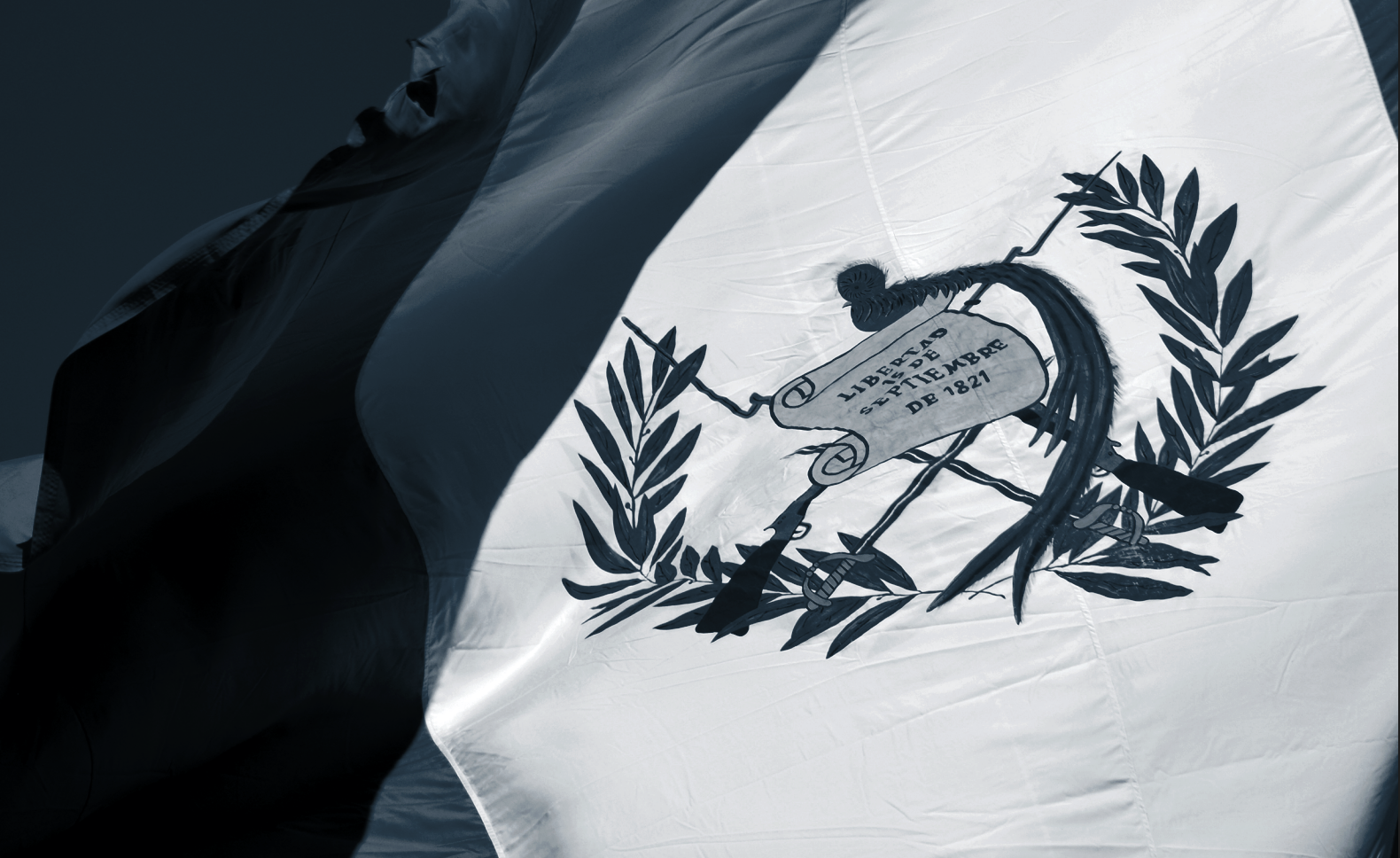
From Inherited Peace to Promised Democracy: Lessons From Guatemala’s 2023 Democratic Transition
In 2023, Guatemala faced a major political crisis when political-criminal elites sought to orchestrate a judicial coup attempt to undermine the presidential election. Massive indigenous and youth-led mobilisation, backed by civil society and international support, safeguarded popular will and ultimately rescued democracy in the country. This historic struggle culminated in the inauguration of Bernardo Arévalo on 14 January 2024 – marking a milestone in Guatemala’s long tradition of resistance and social transformation.
The latest issue of GCSP’s Strategic Security Analysis features a detailed examination of Guatemala’s 2023 democratic transition. Authored by Guatemalan journalist, writer and Interpeace’s Communication Advisor, Arnoldo Gálvez, the report includes peacebuilding lessons that resonate beyond Guatemala, offering guidance for other contexts of democratic transitions and fragile democracies.
Key insights include –
- Collective resilience as democratic defence: Building local capacities for peaceful mobilisation, mediation, and civic organisation is essential to enable societies to safeguard democracy from within.
- Indigenous and community-based leadership as political capital: Democratic transitions are more sustainable when traditional and community governance systems are recognized and integrated as legitimate interlocutors.
- Youth and civic renewal as engines of change: Youth-driven civic renewal can serve as a powerful counterweight to entrenched clientelism and corruption.
- International support that reinforces local agency: Preventive diplomacy, targeted sanctions, and political accompaniment must strengthen, rather than substitute, domestic leadership and ownership.
- Dialogue as a pathway to reform: Inclusive, transparent, and trust-based dialogue can de-escalate crises and transform confrontation into platforms for long-term institutional reform.