Against a backdrop of rising conflict, climate extremes, rapid AI advances, and shrinking aid budgets, global cooperation is more vital—and more fragile—than ever. Since 2018, the Paris Peace Forum has championed renewed diplomacy and governance of global public goods. Its 8th edition, held at the Palais de Chaillot on 29–30 October, gathers leaders from across sectors and continents to forge “New Coalitions for Peace, People and the Planet.”
Among 328 applications from over 80 countries, these projects provide concrete and innovative responses to today’s most pressing global challenges: local peacebuilding, green transition, climate resilience, sustainable agriculture, artificial intelligence, cybersecurity, and more.
Interpeace is honored to be selected for the 2025 Paris Peace Forum under the theme “Reinforcing Local Peacebuilding,” spotlighting our cross-border initiative in Mali, Burkina Faso, and Côte d’Ivoire.
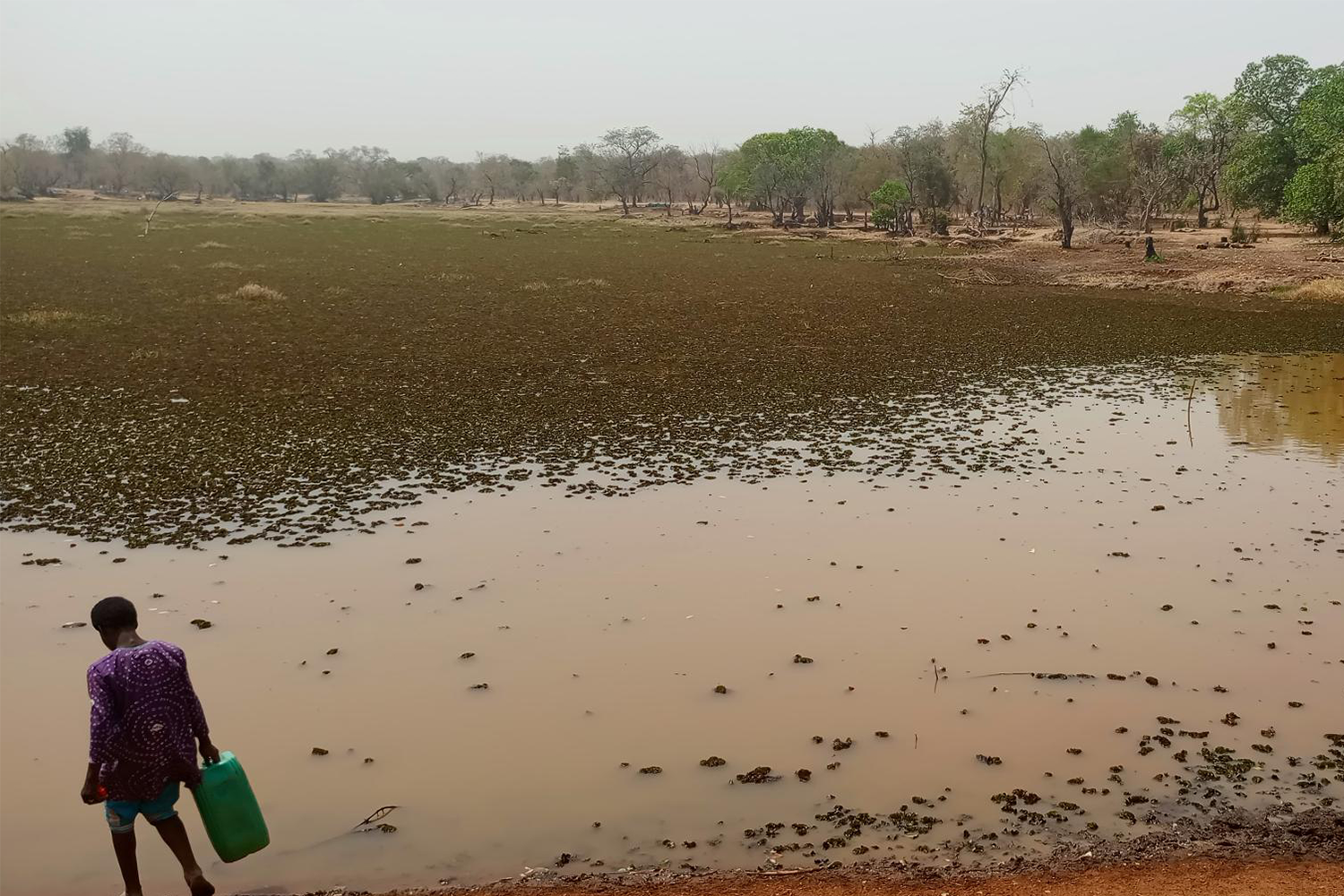
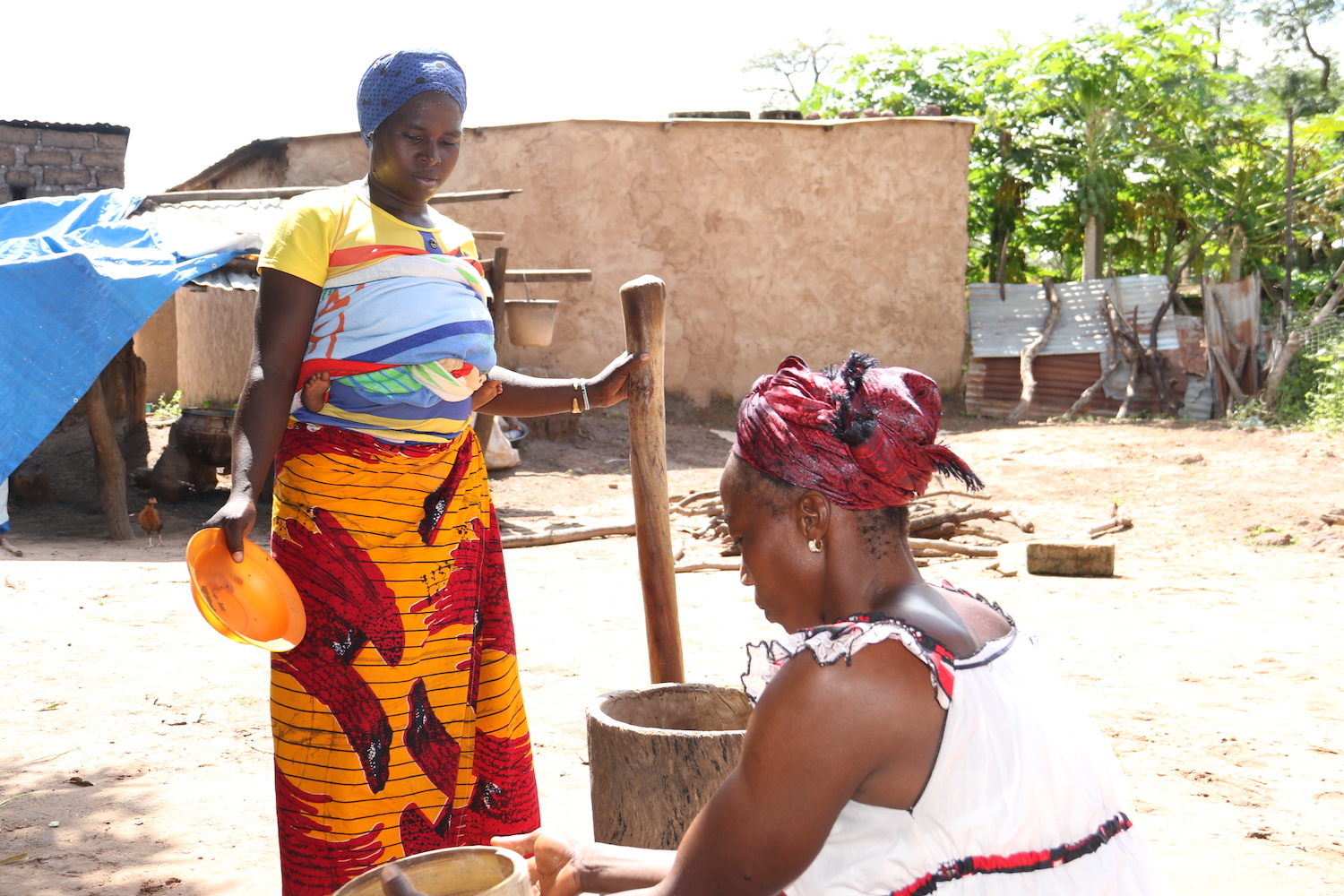
Interpeace’s cross-border initiative in Mali, Burkina Faso, and Côte d’Ivoire is driving peace through inclusive natural resource governance. In partnership with the PATRIP Foundation and local actors, the project strengthens communities’ capacities for conflict resolution by co-managing land and natural resources. It fosters trust, social cohesion, and empowers vulnerable women and youth through climate-resilient livelihoods and infrastructure that support inclusive local governance.
Already, the initiative has led to a measurable decline in land-related conflicts and is scaling up infrastructure development to deepen its impact. By addressing structural drivers of instability, it contributes to preventing violent extremism in high-risk border areas.
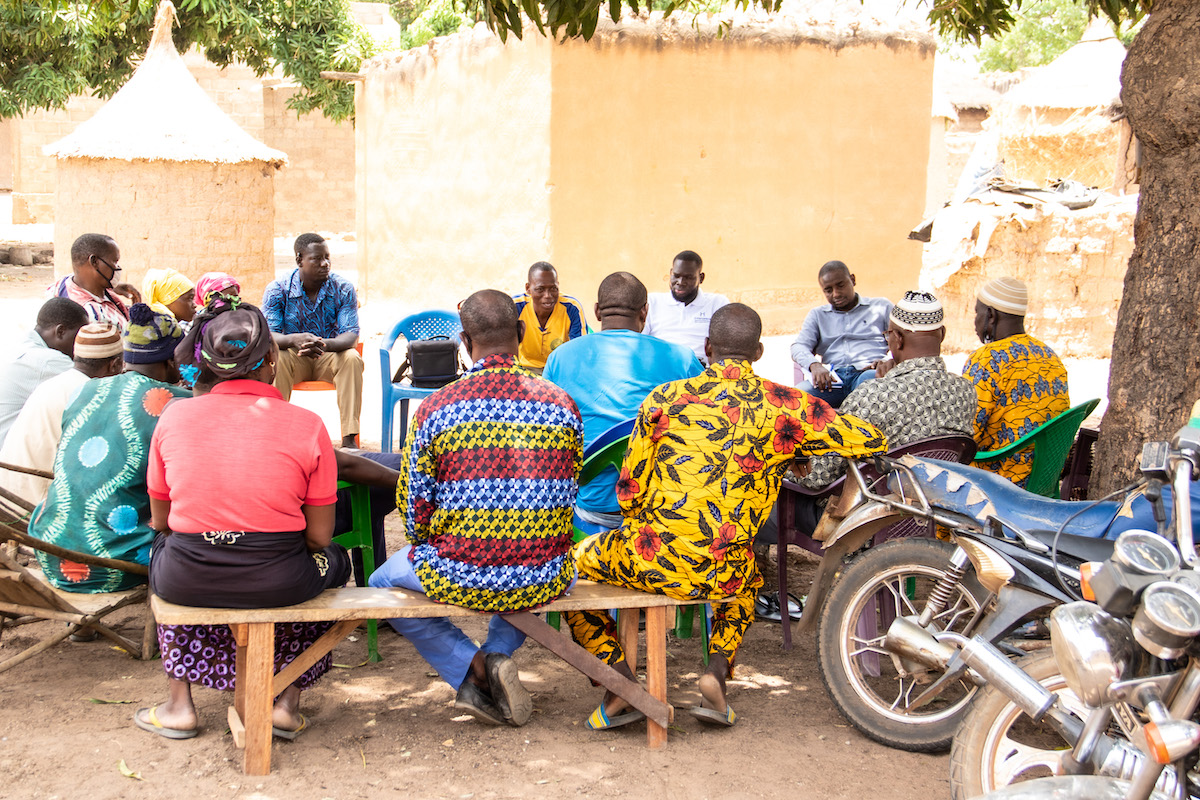
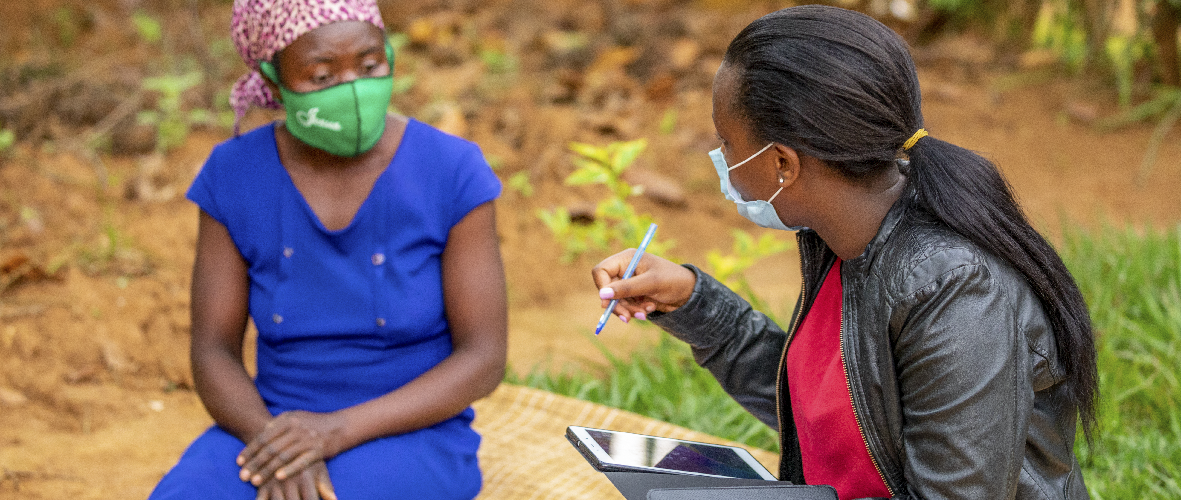
At the governance level, the project establishes cross-border commissions composed of local authorities, community members, and technical experts. These bodies reinforce regulatory frameworks and facilitate participatory dialogue to resolve disputes and identify community priorities. The insights generated feed into Interpeace’s continuous learning cycle—strengthening peacebuilding approaches across contexts and informing local, national, and regional actors. Globally, these learnings advance effective governance and peacebuilding practice, shared through Interpeace’s network of international partners, governments, peace actors, and development stakeholders.
This initiative pioneers a transformative Peace, Development, and Climate Nexus approach—leveraging climate-resilient infrastructure and participatory governance to turn natural resource management into a driver of lasting peace.
It exemplifies Interpeace’s Peace Responsiveness approach: embedding peacebuilding into broader humanitarian, development, and environmental programming to address root causes of conflict in fragile settings.