Home - Interpeace : Interpeace

Strengthening Resilience Through Societal Healing

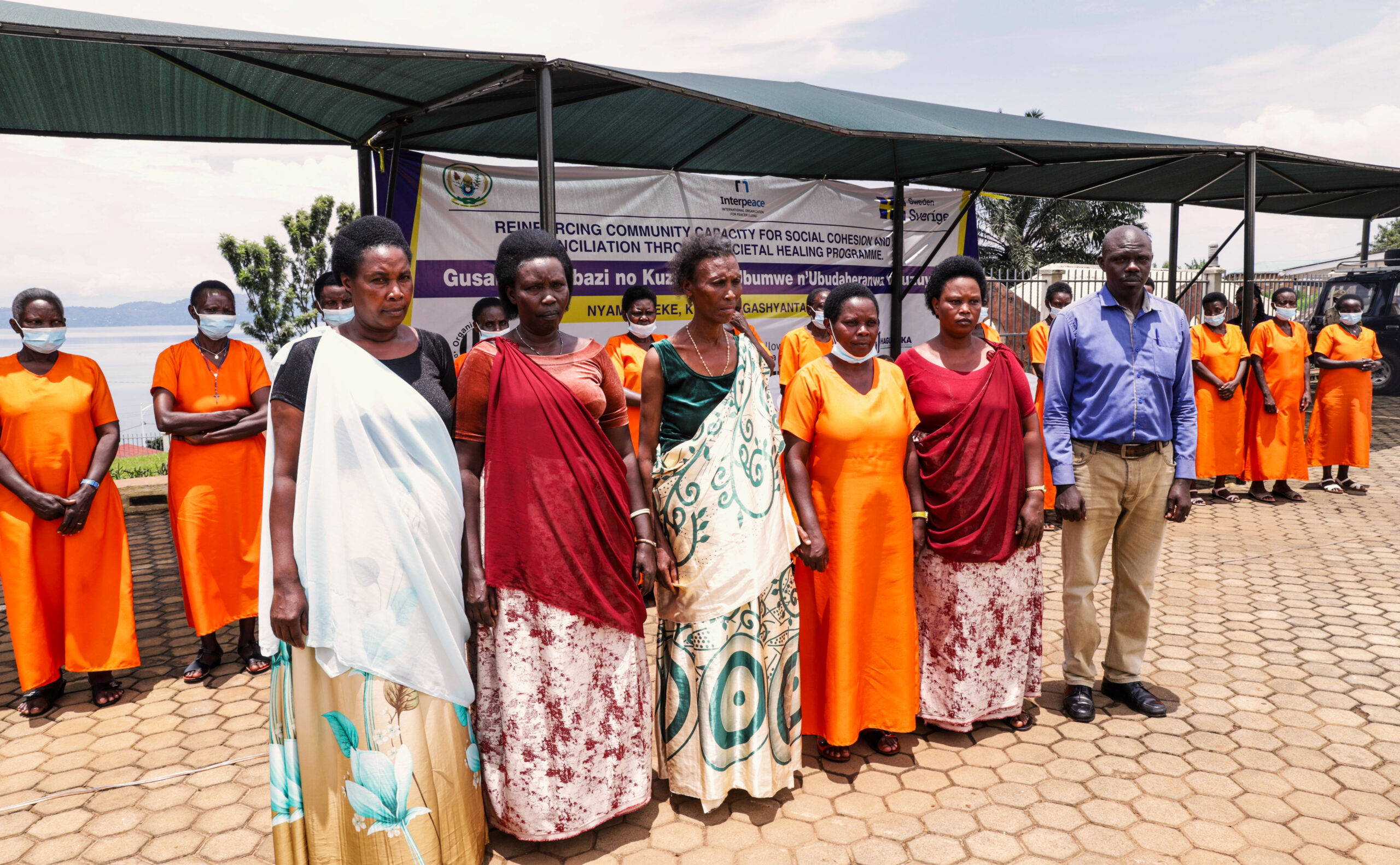
Interpeace is an international organization that prevents violence and builds lasting peace. We have 32 years of experience working in Africa, the Middle East, Asia, Europe and Latin America. In Rwanda, Interpeace supports community-driven healing, reconciliation, unity and resilience, mental health, livelihoods, and reintegration of former inmates. In collaboration with strategic partners such as the Ministry of National Unity and Civic Engagement (MINUBUMWE), Rwanda Biomedical Centre (RBC), Rwanda Correctional Service (RCS) the European Union (EU), the Government of Sweden (through Sida), the Government of Denmark as well as implementing local partners, namely Prison Fellowship Rwanda (PFR), HAGURUKA and Dignity in Detention (DIDE) to strengthen social cohesion and resilience.

Our integrated approach combines mental health and psychosocial support (MHPSS), healing spaces that foster unity and resilience, improved livelihoods, participatory civic dialogues, and inmate rehabilitation and reintegration, leading to holistic, sustainable results.

Programme Reach

Between 2021 - 2025

12,227
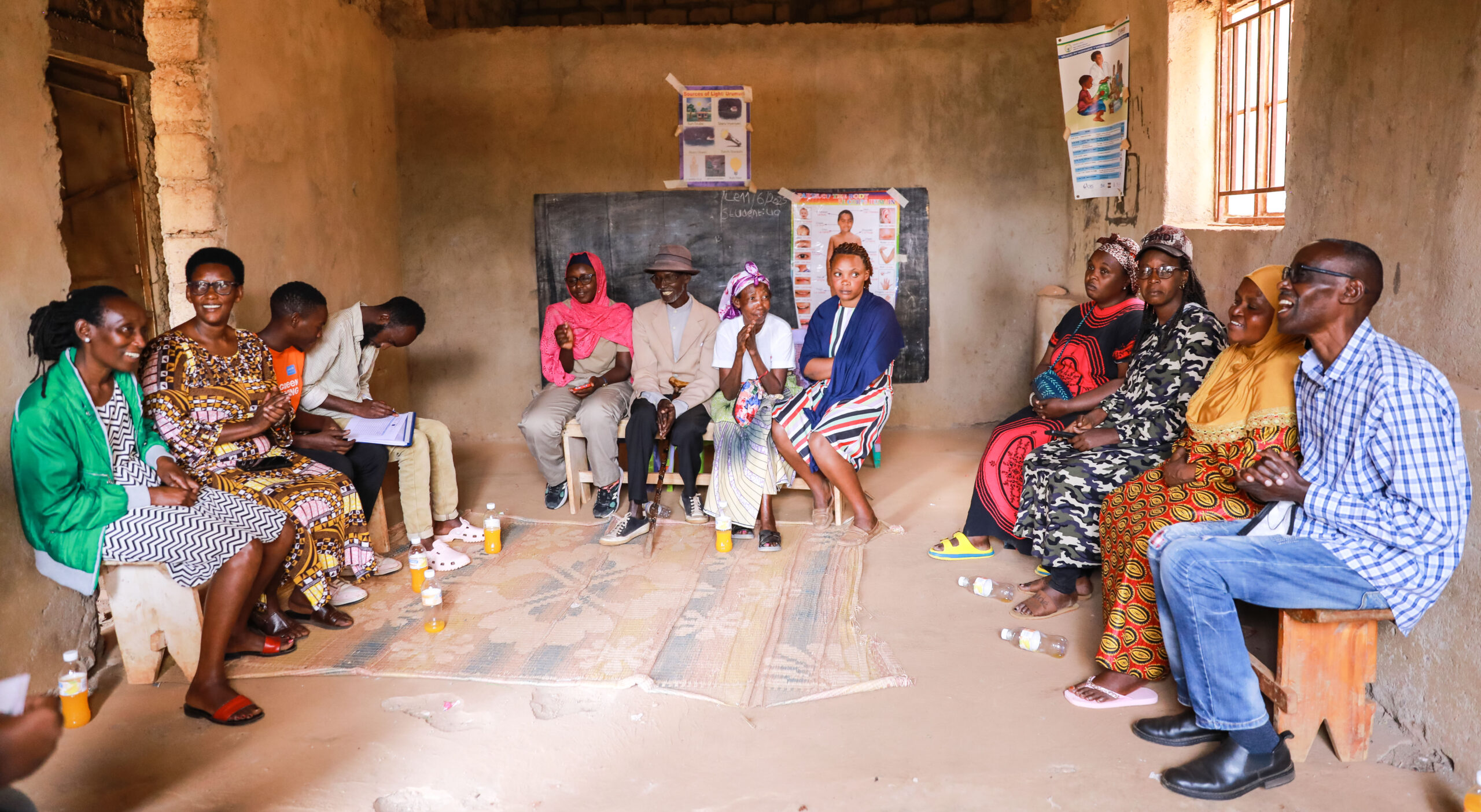
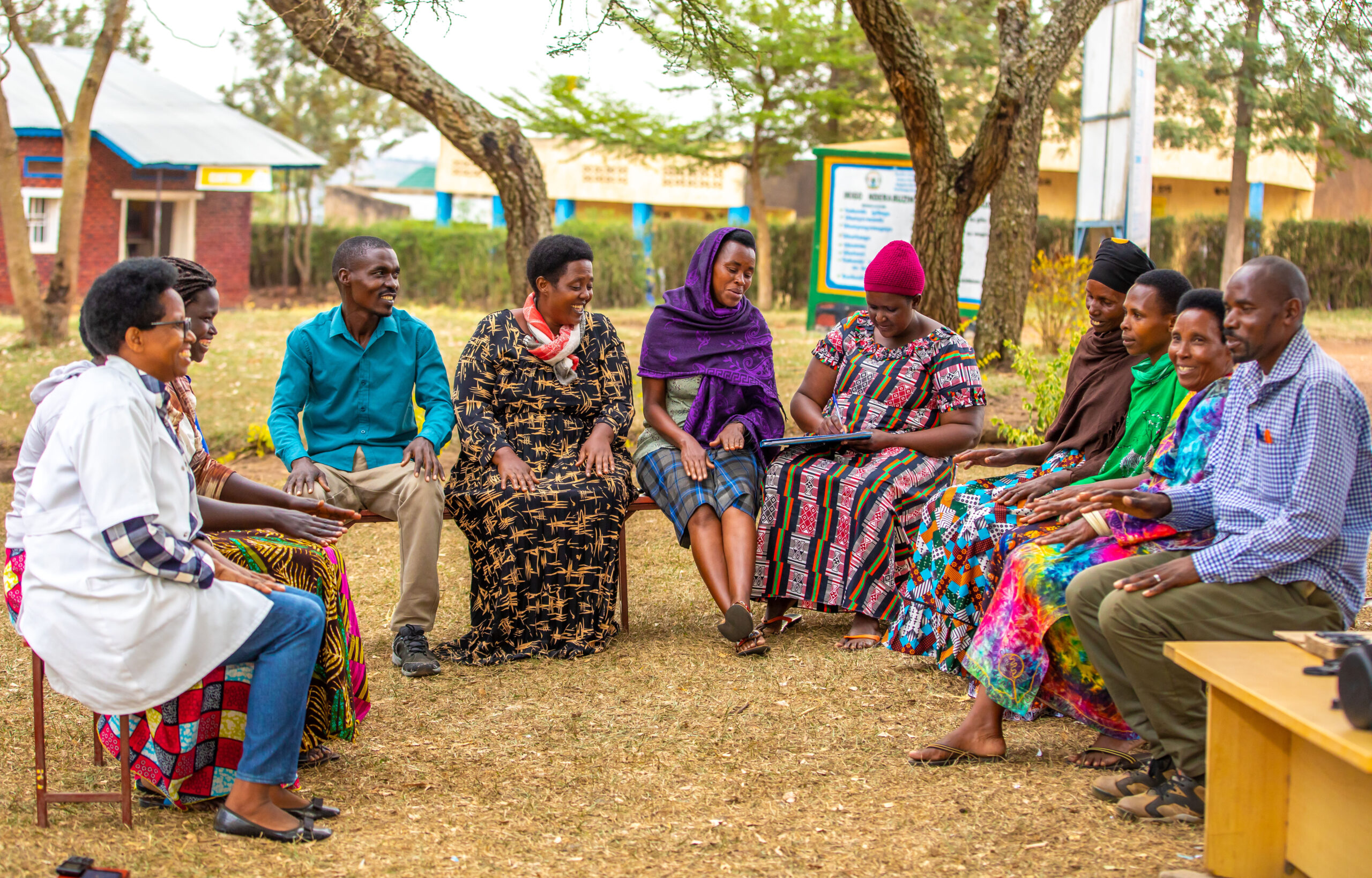
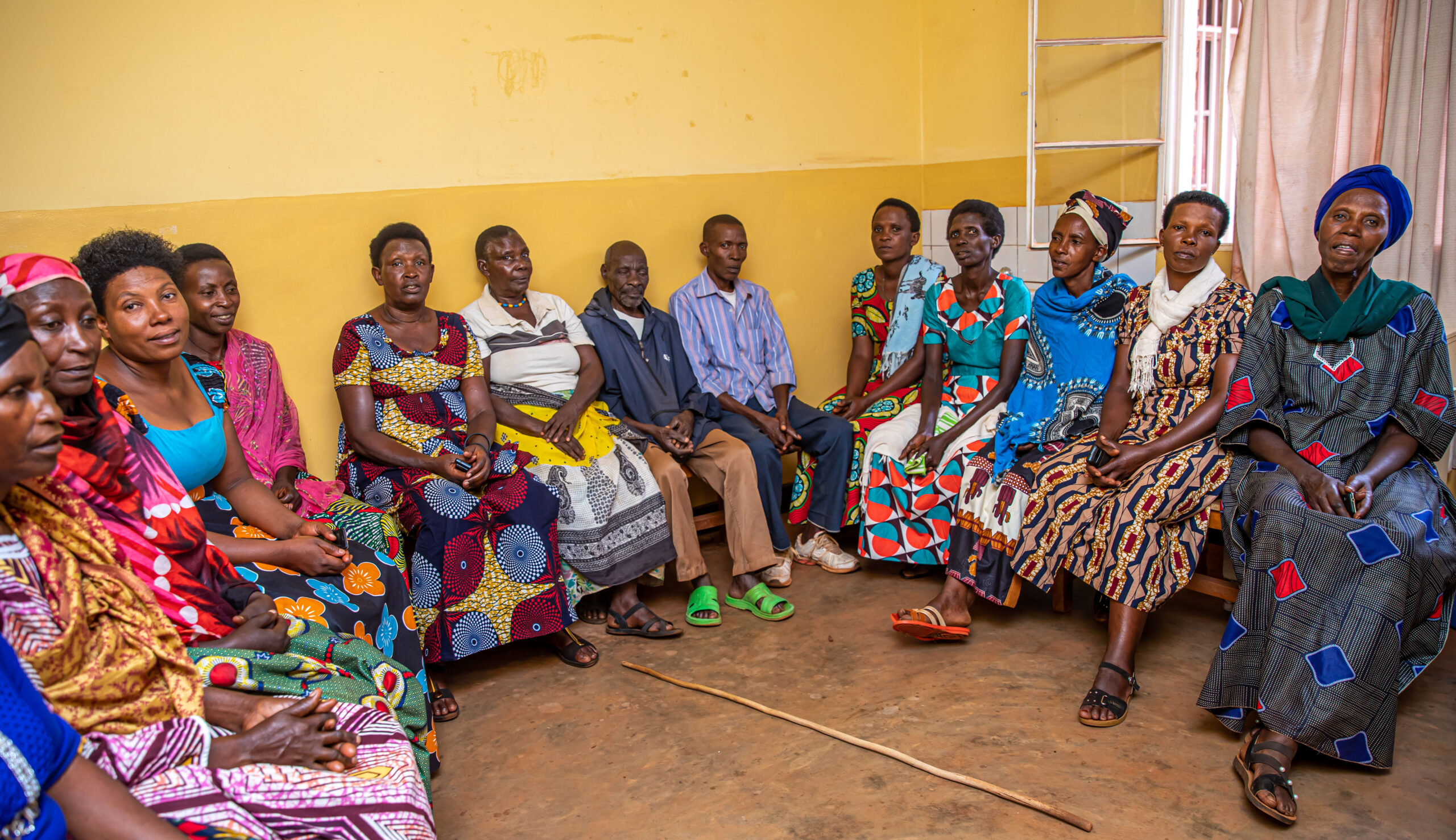
The SHP reached 12,227 participants in 407 healing and engagement spaces in communities, correctional facilities and health centres in Rwanda
5,352
5,352 participants engaged in structured healing and dialogue groups.
621
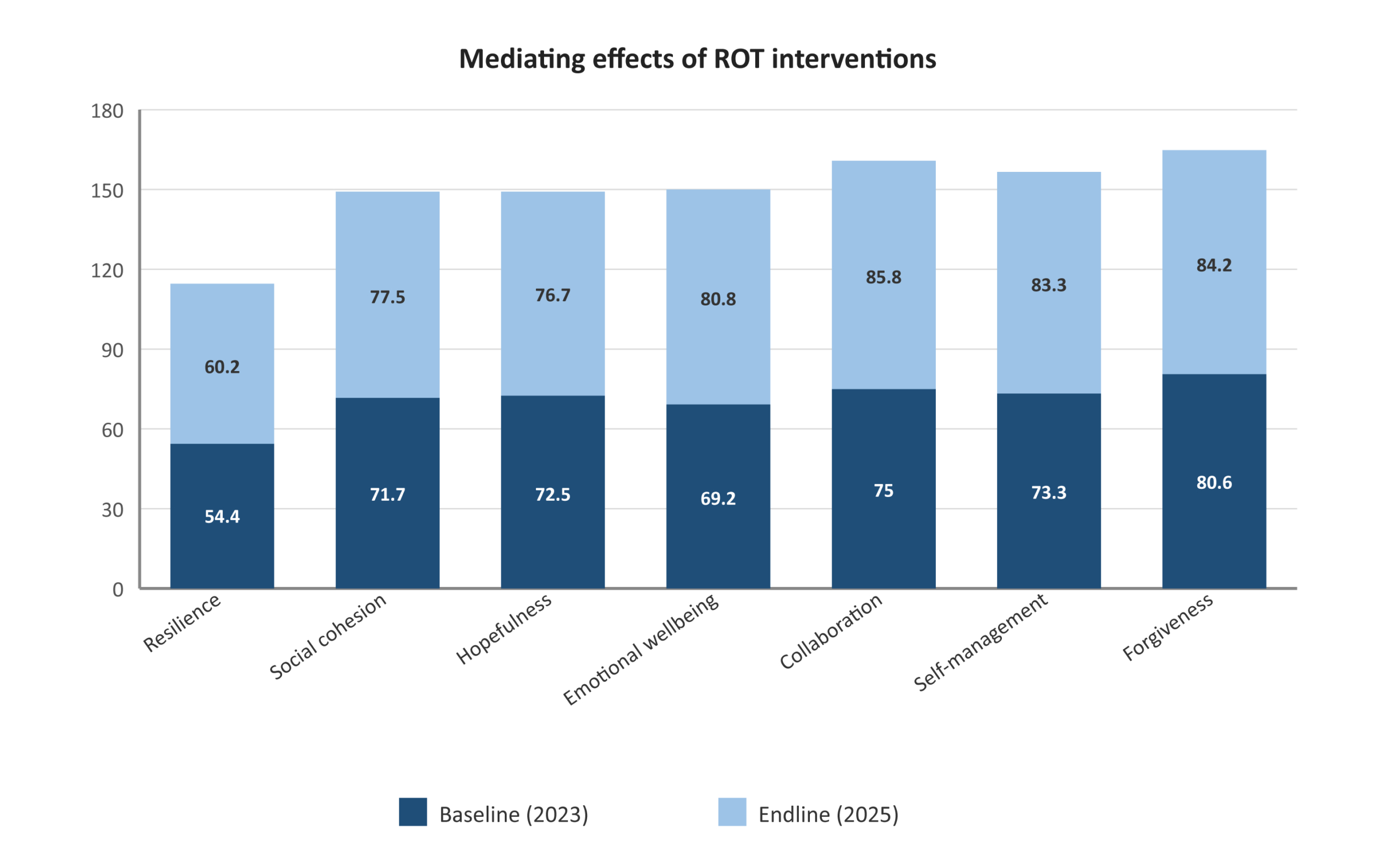
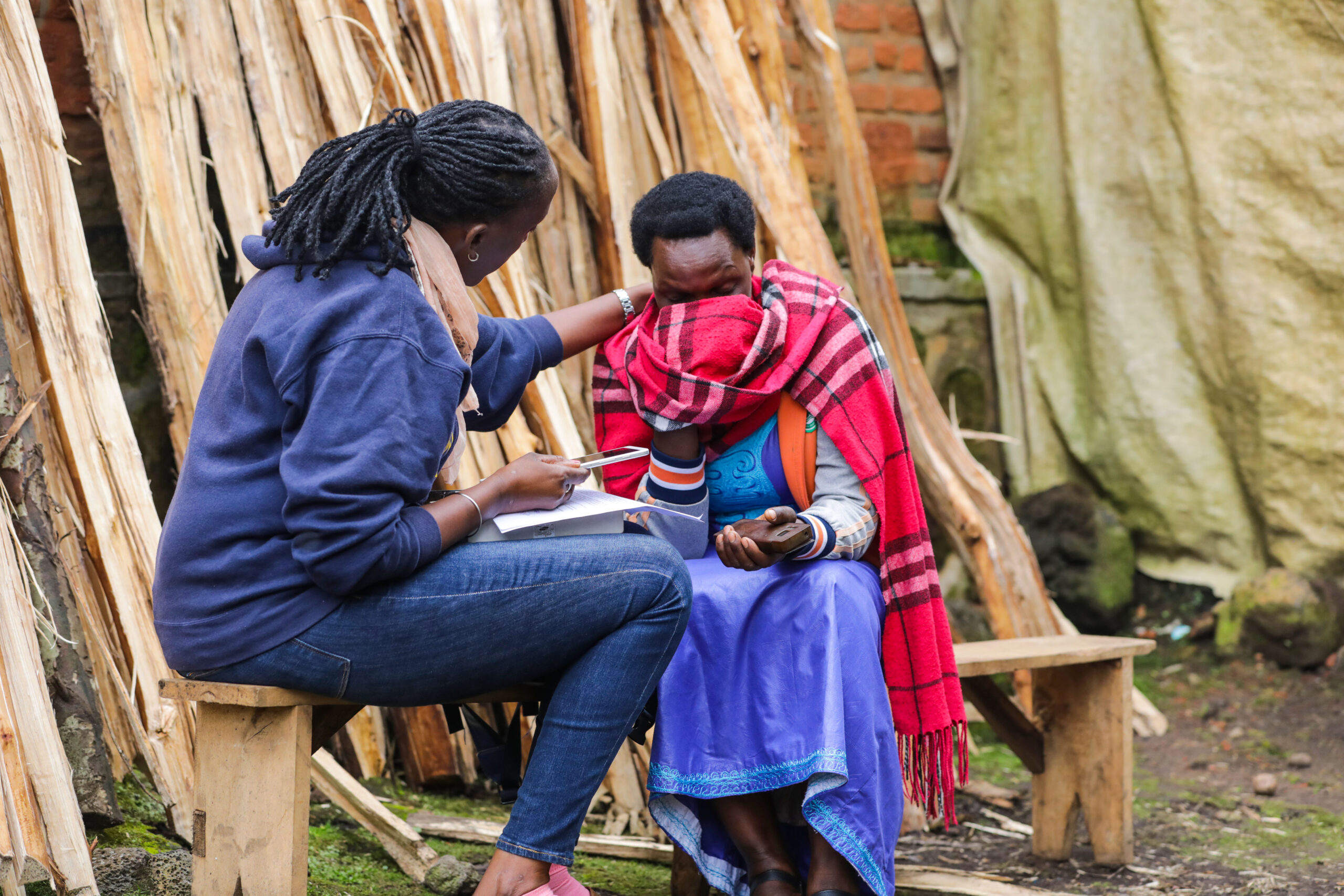
621 people benefited from resilience-oriented therapy (ROT) in 52 health centres.
2,039
Sociotherapy reached 2,039 participants in 140 community spaces.
2,088
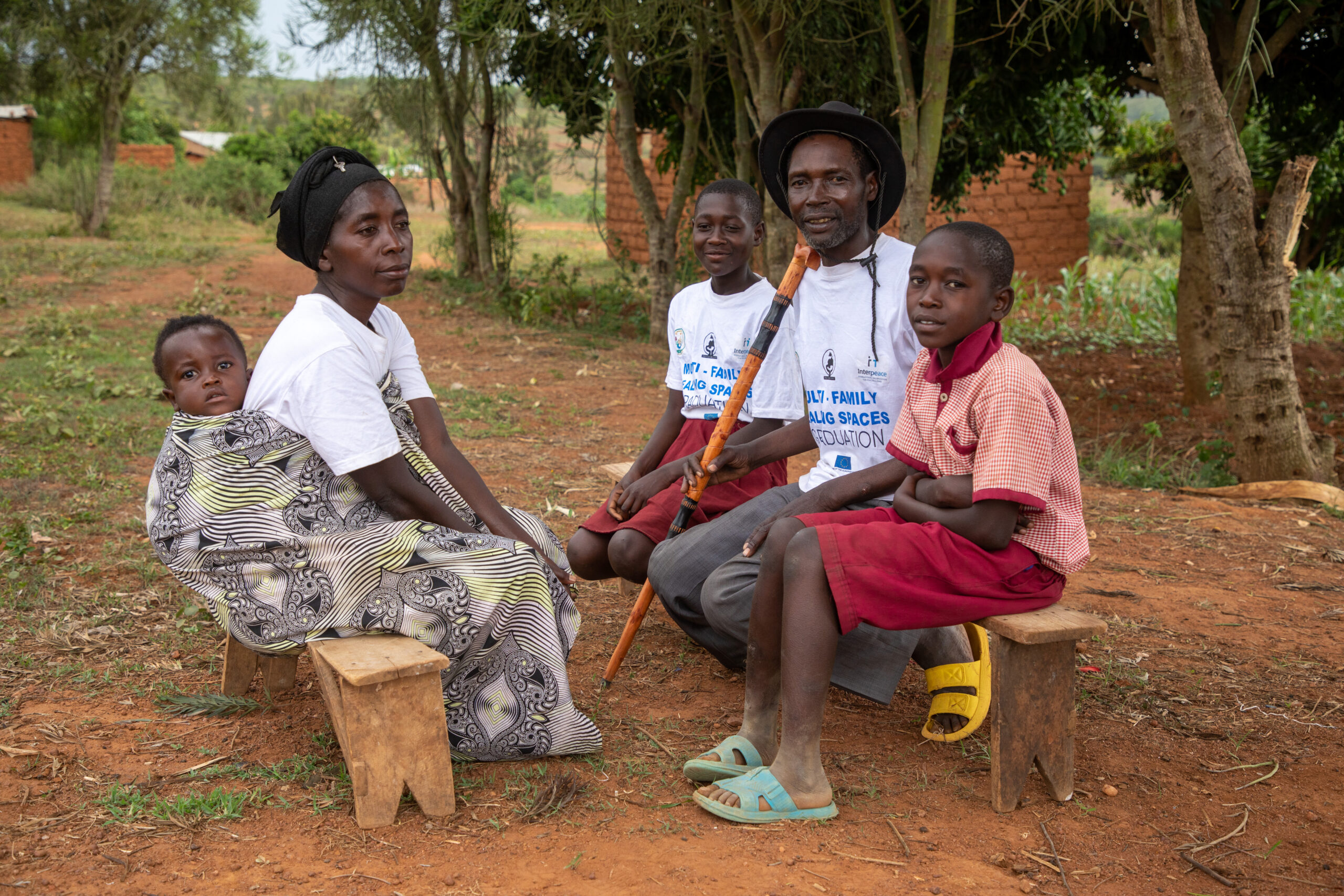
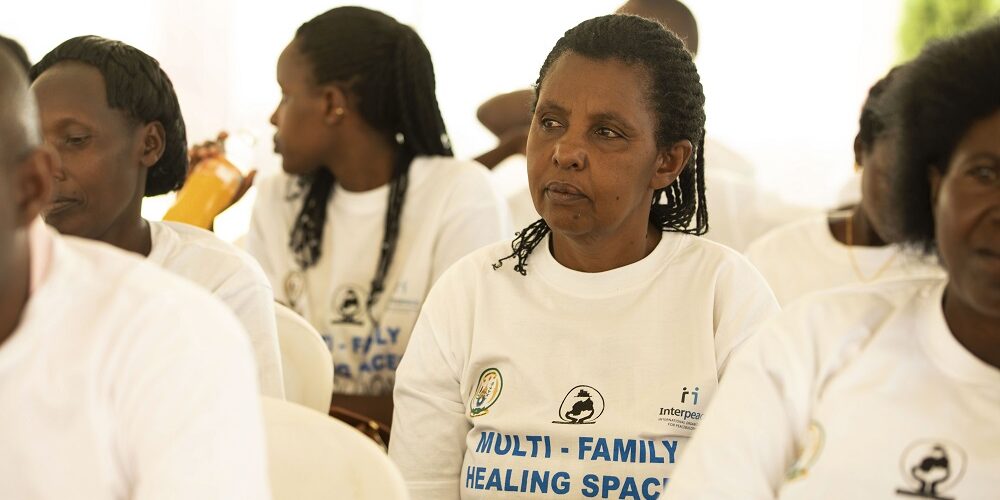
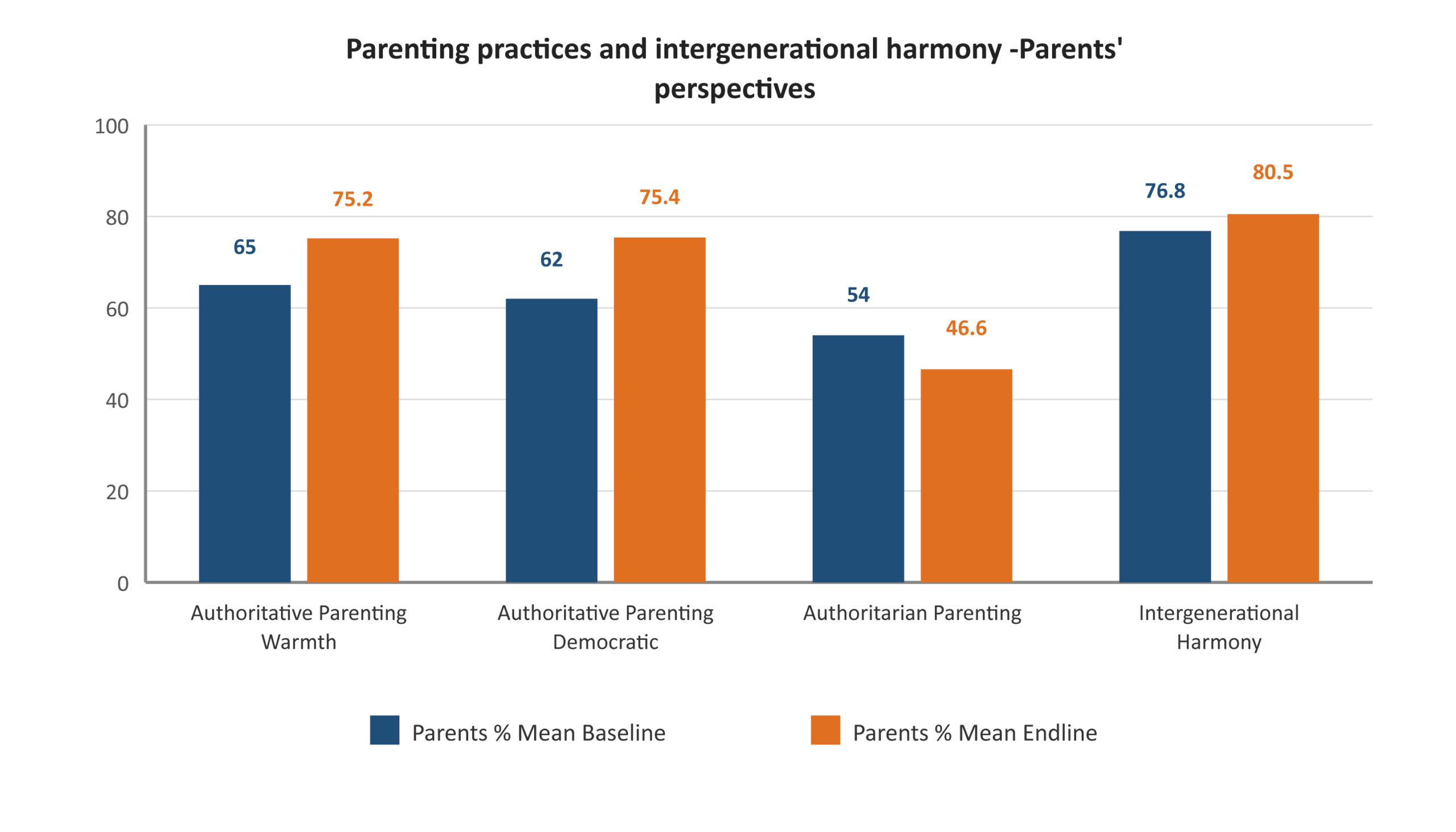
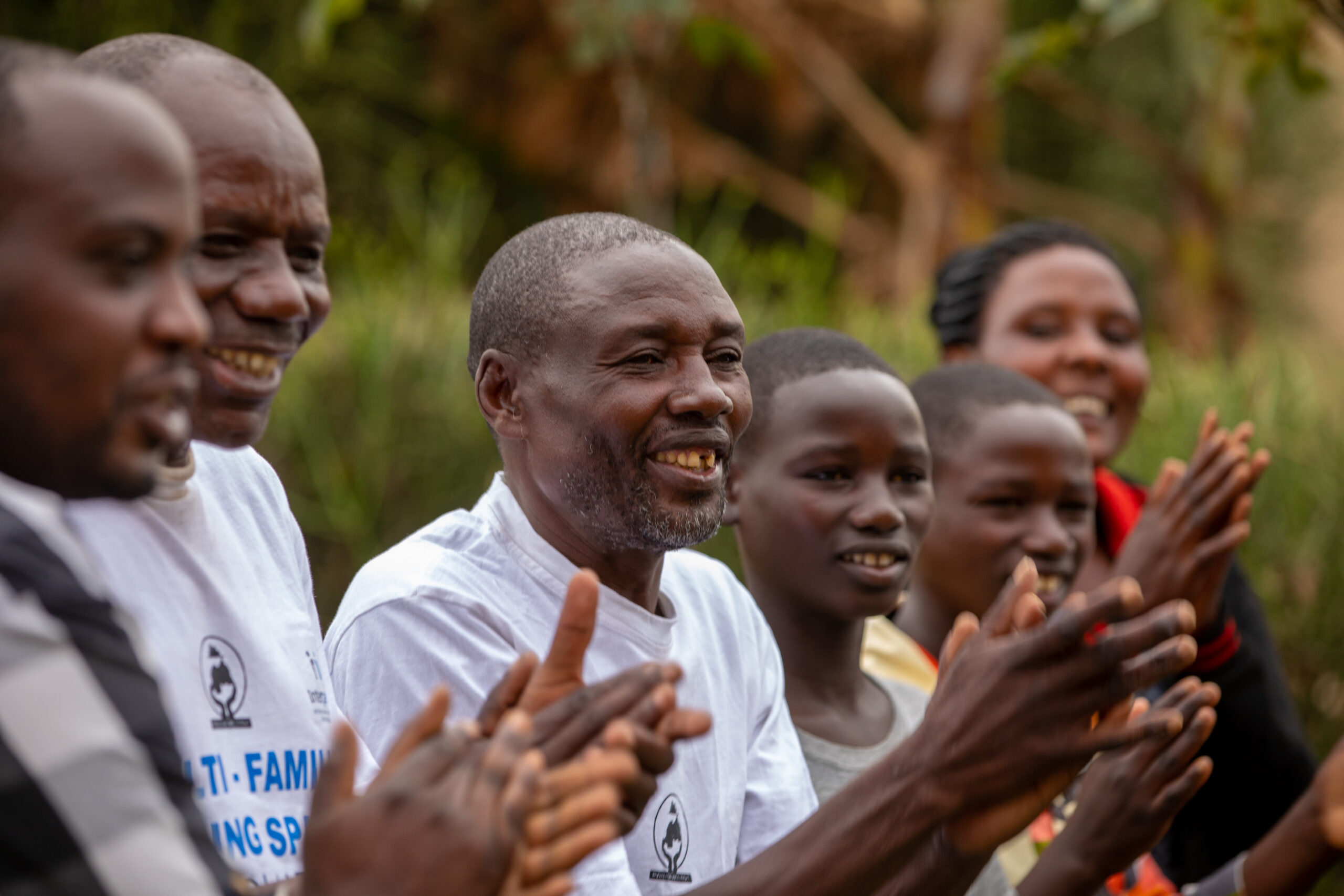
2,088 individuals joined multifamily healing spaces (MFHS) to rebuild family communication and trust.
1,767
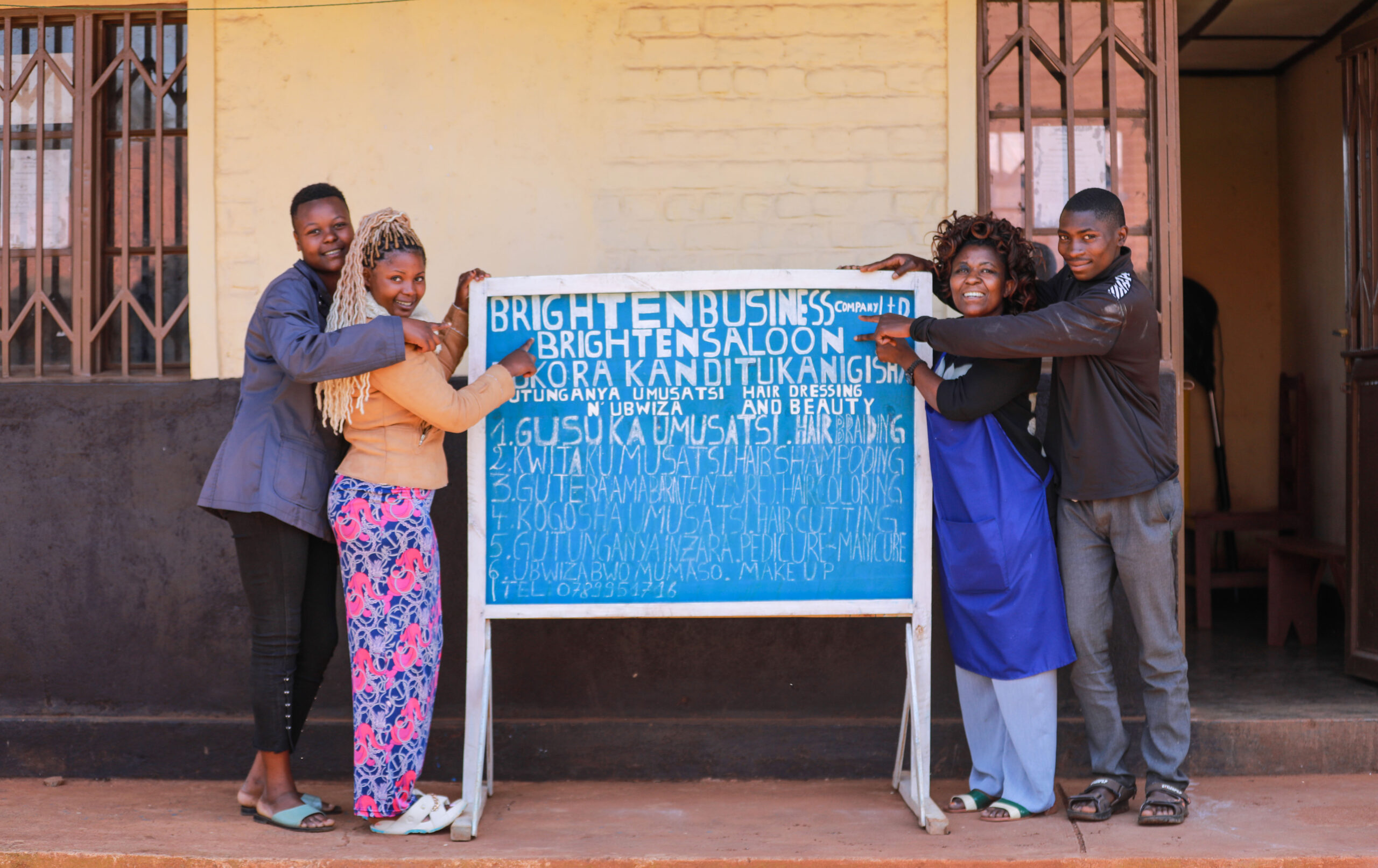
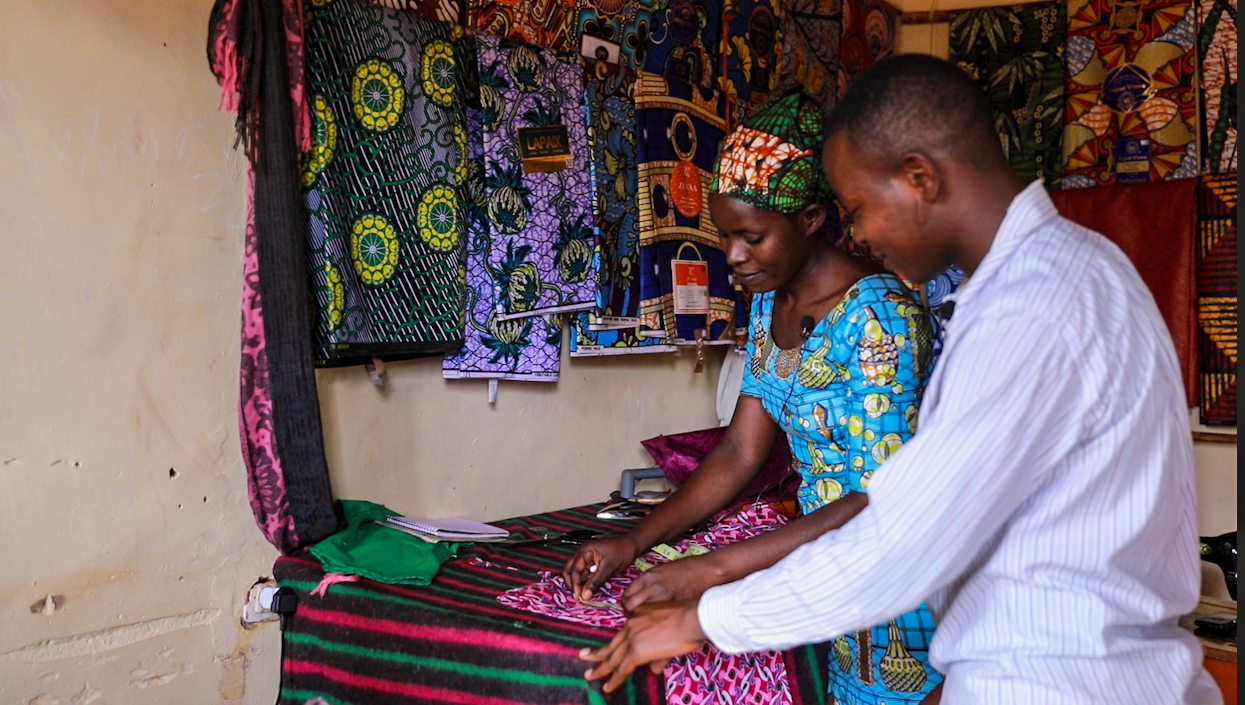
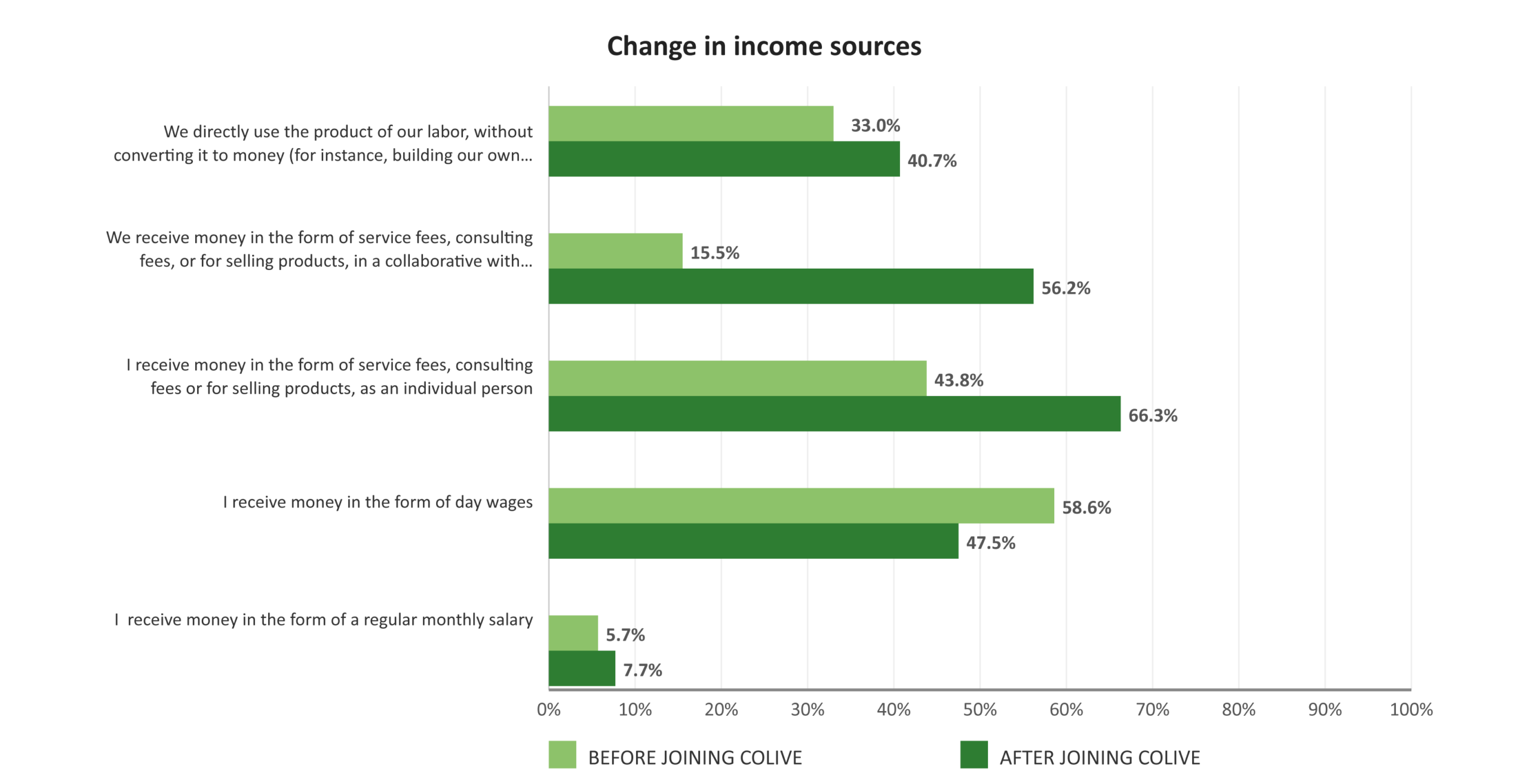
The collaborative livelihoods and hands-on skills training programme (Co-LIVE) reached 1,767 individuals in 75 livelihood groups.
409
409 inmates graduated from TVET programmes.
829
829 sociotherapy graduates received advanced training in entrepreneurship, cooperative governance, and business development.
529
529 members benefited from Co-LIVE business initiatives. Co-LIVE supported 40 small cooperative enterprises.

In line with the programme’s aim to build local capacities for sustainable healing and resilience,

256
256 practitioners and facilitators received capacity-building training, including correctional officers, dialogue leaders and mental health professionals.
829
829 sociotherapy graduates received advanced training in entrepreneurship, cooperative governance, and business development.

To strengthen field operations, data collection and coordination, the programme issued:

43
43 tablets to health centres, hospitals and correctional facilities to facilitate community screening, data recording and regular updates.
39
39 motorcycles to health centres and hospitals to facilitate community outreach and improve citizen access to mental healthcare services.

Psychological Resilience

Family Harmony

Social Cohesion

Collaborative Livelihoods

Prisoner Rehabilitation and Re-entry

Research and Publications

Partnerships and Collaboration Avenues

Rwanda has made commendable progress in advancing unity, resilience, and psychosocial support. However, healing remains a continuous journey, one that requires a holistic, sustained, and inclusive approach. Drawing from lessons learned through programme implementation, it is clear that further efforts are needed to deepen and consolidate these gains. Our current priorities focus on:
  • Intergenerational healing,
  • Rebuilding social fabric, including through family cohesion
  • Scaling mental health and psychosocial support care to the grassroots
  • Reinforcing societal healing through effective reintegration of former genocide convicts
  • Promoting resilience through innovative livelihoods and entrepreneurship literacy

More Stories