Fostering local entrepreneurship as a violence prevention method in El Salvador

Violence and crime have a direct relationship with the limitations caused by socio-economic inequality, exclusion and weak public institutions. When large groups of society cannot find employment and educational opportunities, which are necessary to ensure an income for the survival of their family, then other forms of income generation begin to gain strength. In that sense, illegal economy is the link that explains the relationship between inequality and crime. Not all expressions of an illegal economy thrive on violent actions, but it does create the necessary conditions for violence to take on a regulatory role of competition between groups, which causes the detriment of peaceful community relations. The expansion of an illegal economy is also related to the lack of productive alternatives. In societies where the economy is in crisis, migration becomes another social strategy in the search for economic resources. According to the World Bank estimates, El Salvador receives about 4 billion annually in remittances, which represents 17% of their GDP.

In El Salvador, massive migration and the expansion of the illegal economy, have been the principle effects of an economic situation, which as time goes by reduces productive and employment options for the most socially and economically vulnerable young people.
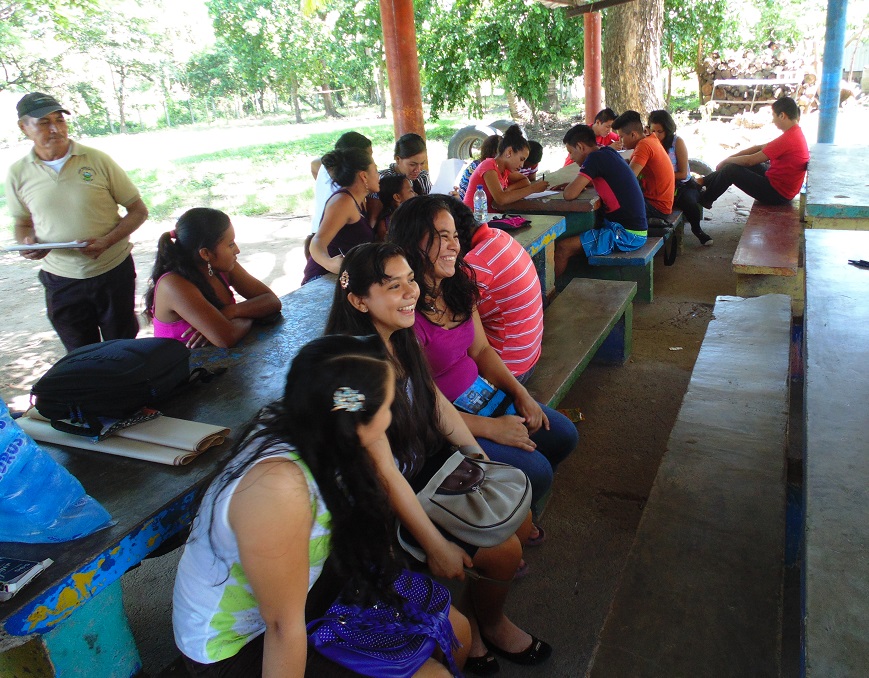
Zacatecoluca, El Salvador. Photo credit: Interpeace

To Interpeace, reducing violence has to do with overcoming the structural deficits that generate a context of violence and criminality, which means generating productive opportunities for young people so that they can therefore reduce social risks they face every day. Risk and vulnerability is not something that exists in young people, but in their social and economic environment.

Through the project “Comprehensive initiatives to prevent violence in El Salvador,” Interpeace seeks to support local entrepreneurship as the most efficient way to create opportunities for social and economic development. When these opportunities are inclusive, then they are the most powerful way to prevent violence. This project, financed by the European Union and implemented by Interpeace’s Regional Office for Latin America in 10 districts in the country, involves at risk youth between the ages of 18 and 29 and provides workshops for young men and women in methods and skills to transform conflicts in non-violent ways, as well as offering productive training for entrepreneurship to promote the creation of productive associations, through seed capital.
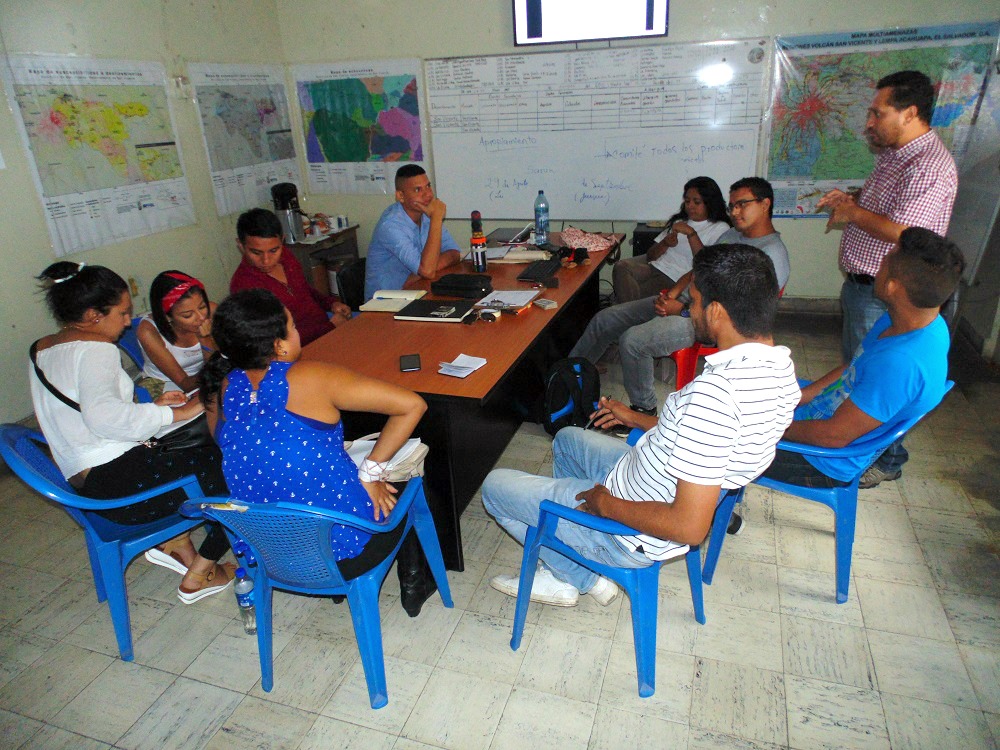
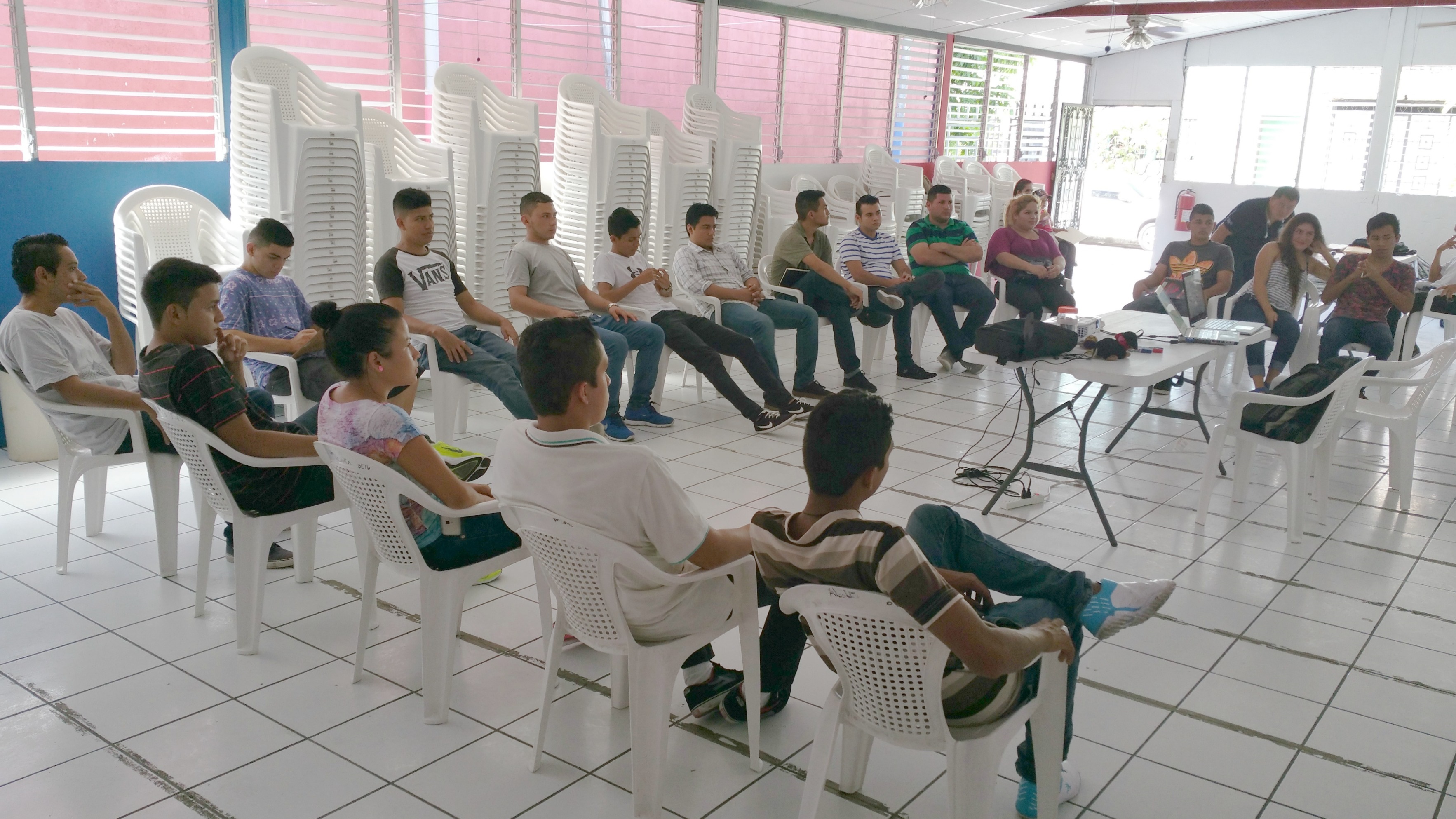
Workshop at San Vicente, El Salvador. Photo credit: Interpeace.

The first workshops took place in the districts of Nueva Concepción and Ilopango in July. In October, three other districts joined the programme: San Vicente, Zacatecoluca y Quezaltepeque. The workshops that took place were about conflict transformation, violence prevention and promoting a culture of peace. At the end of the course, tests were provided to the participants to evaluate their learning level. Moreover, the young men and women defined the entrepreneurships they want to set in course in their communities. In Ilopango and Nueva Concepción, cheese will be developed by the participants; in Zacatecoluca, small chicken farms will be established and together will form a single venture; in San Vicente, participants will work on processing sweet potato as raw material for the production of food products and in Quezaltepeque, the cultivation of chile will take place. Additionally, in Ciudad Delgado, the workshops have begun and in the following months, participants will start the process of identification and selection of their entrepreneurship.

Interpeace’s Regional Office for Latin America is also working with political, local and national institutions, as well as with the private sector of El Salvador, to promote a culture of peace in the country and shorten the distance between different sectors of society. Programme officials have met with the delegation of the National Police force of Soyapango and Ilopango, in order to create inclusive strategies for all levels of Salvadoran society to prevent violence and promote entrepreneurship among young people. Therefore, as part of the project, members of the National Police of El Salvador will receive training in the districts where the project is being developed.
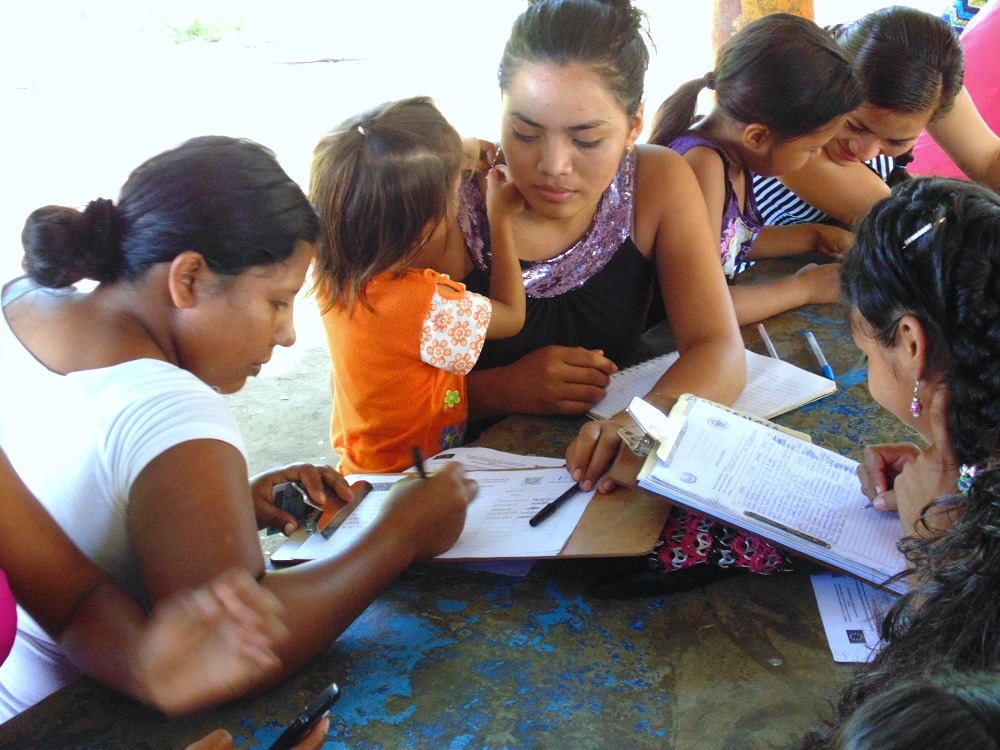
Workshop at Zacatecoluca, El Salvador. Photo credit: Interpeace.
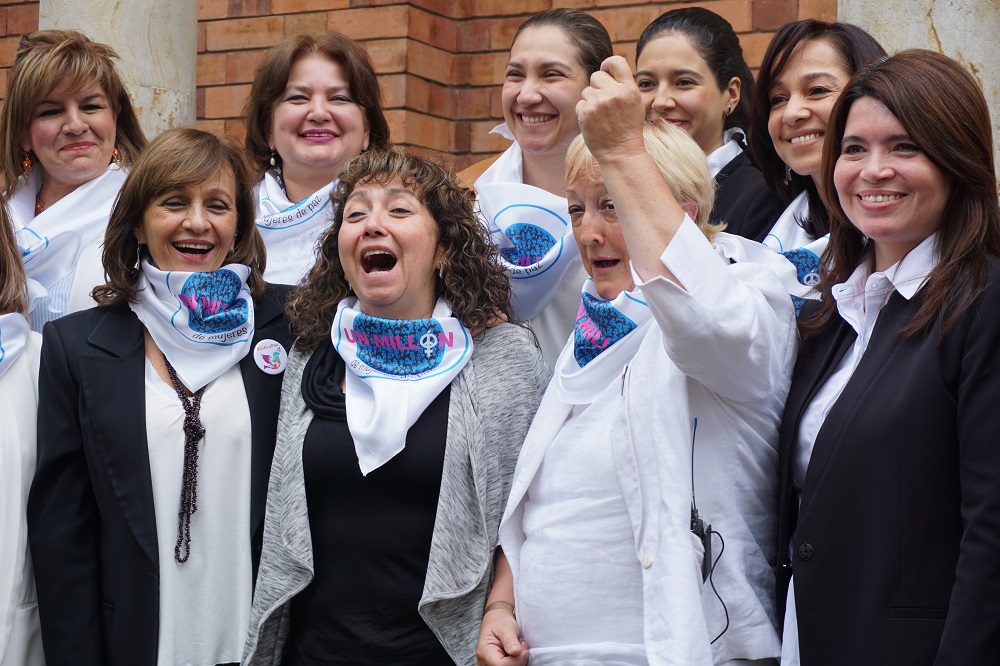
From Belfast to Bogotá: Monica McWilliams promotes the role of women in peacebuilding

One week before the Peace Agreements were signed, Monica McWilliams, Vice Chair of Interpeace’s Governing Council and an expert on Conflict Resolution and Transitional Justice, travelled to Colombia to support the women and men who are working to build peace in the country. As leader of the peace negotiations in Northern Ireland, McWilliams has become a role model for peacebuilders around the world. During her visit, which was organized by the Interpeace Regional Office for Latin America in partnership with Alianza Para la Paz and the initiative One Million Women for Peace, she participated in several events and discussions in support of women’s role in peacebuilding processes.

Monica McWilliams in Bogotá, Colombia, with members of Interpeace Latin America and One Million Women for Peace. Photo credit: Arnoldo Gálvez.

Women Choose Peace in Colombia

Recognized for her invaluable contribution to the empowerment and participation of women in peace processes, Monica was welcomed by one of the largest peace initiatives in the country. “One Million Women for Peace was inspired by Northern Ireland Women’s Coalition, co-founded by Monica McWilliams. Welcome to Colombia, Monica!” Gloria Flórez, Colombian Sociologist and member of this movement shared her gratitude and joy during one of the events held in Bogotá. One Million Women for Peace is an initiative that began when the peace talks in Havana progressed. Colombian women from across the country, from different backgrounds and ideologies, began to mobilize, motivated and excited that the end of the armed conflict was near.

Monica McWilliams, spoke with 20 representatives of the movement in a private meeting held at the Friedrich Ebert Foundation in Colombia. During the meeting, she shared her experiences and lessons learned from participating in the peace negotiations in Northern Ireland and motivated them to stay strong and demand women’s participation: “Look for diversity and involvement of all women representatives from different sectors and territories…The strength of One Million Women for Peace is the representation of political differences.”

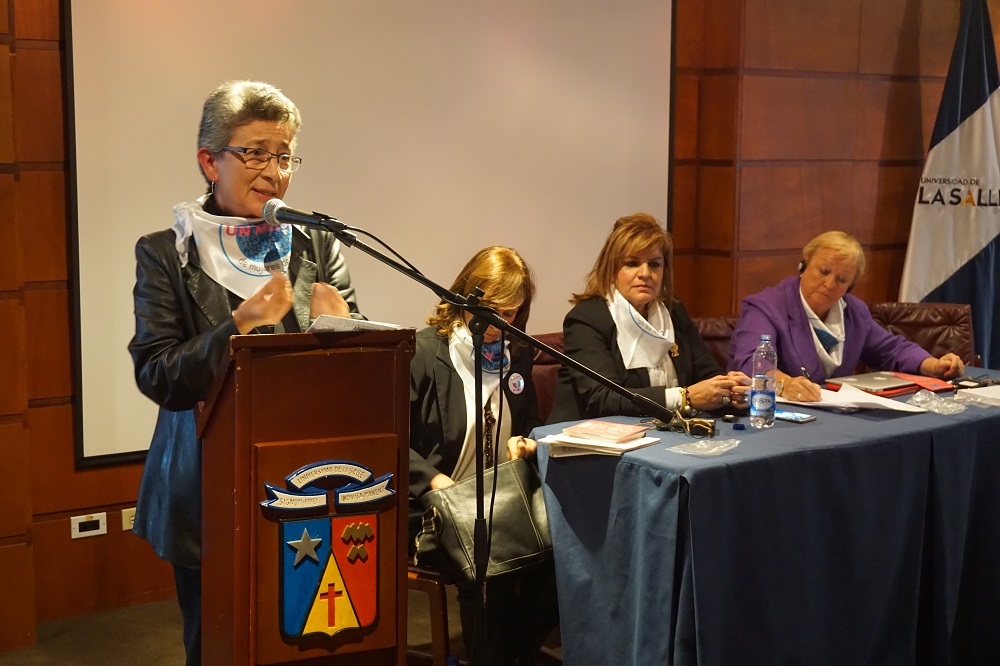
The members of the movement also shared with Monica their concerns and aspirations for the future, describing that the armed conflict not only claimed the lives of thousands of Colombians, it also destroyed the trust between civilians. A couple of hours later, these insights were shared with more than 200 women at the University of La Salle. The speakers at the event “Women Choose Peace” were Congress women, human rights defenders, activists and peacebuilders. Each one of them spoke about seizing this historical moment and working forwards to end violence and fight for equality and peace. Colombian Human Rights defender, Claudia Mejia Duque, expressed: "If Colombia manages to place equality with women at the center of its priorities, we will live in peace."

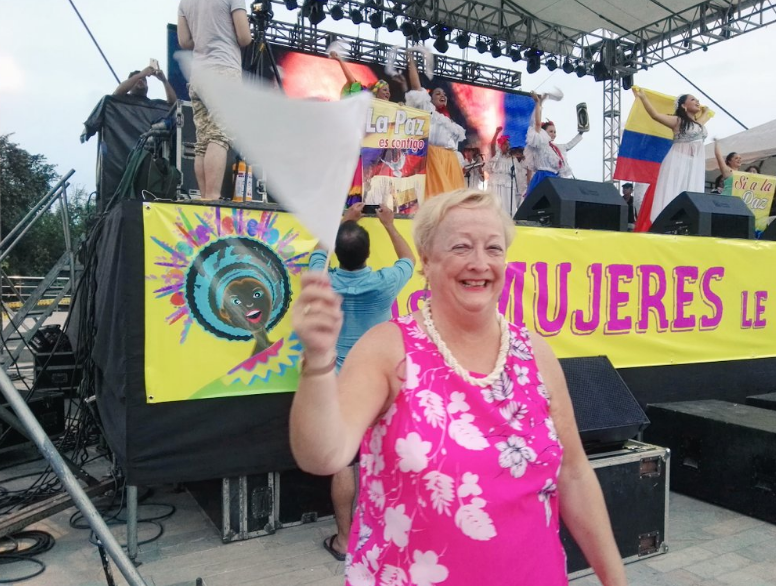
Two days before the Peace Agreements were signed, One Million Women for Peace organized a concert to celebrate the end of the armed conflict. Thousands of women and men gathered in the Peace Plaza in Barranquilla in a historical event: “Women Sing for Peace.” Monica McWilliams joined a number of performers, artists, and activists in celebration: "Let us not be prisoners of history. Let the History of Colombia begin today."

Monica McWilliams at the Concert "Women Sing for Peace," in Barranquilla, Colombia. Photo credit: Arnoldo Gálvez.

Before the concert, Monica also participated in a discussion hosted by One Million Women for Peace. She was joined by women from across the country and urged them to fight for inclusion and to make sure that women were involved in every step of the process.

Working to build lasting and stable peace

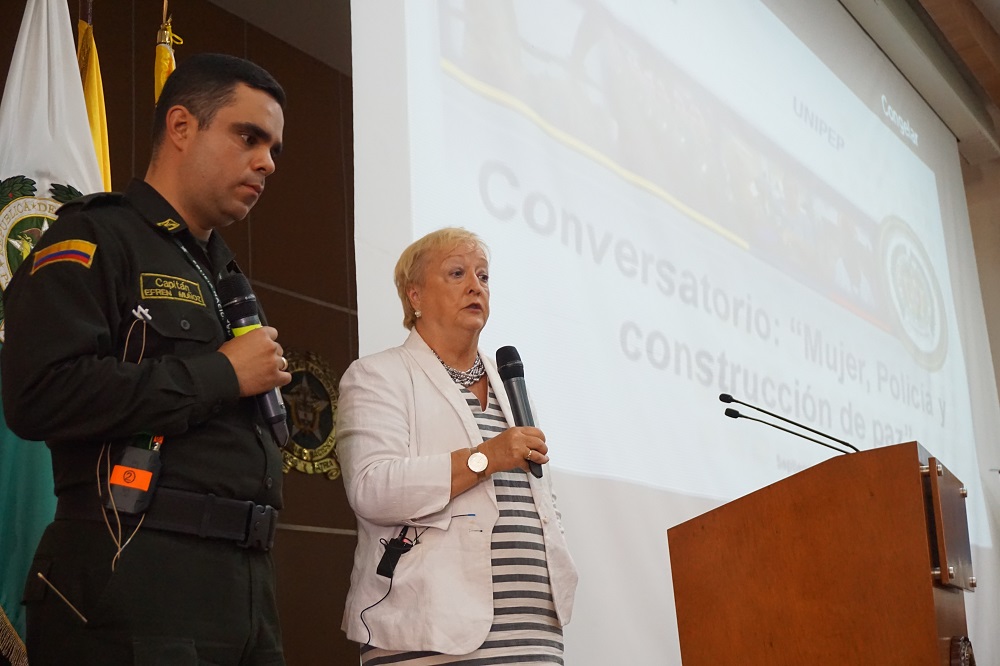
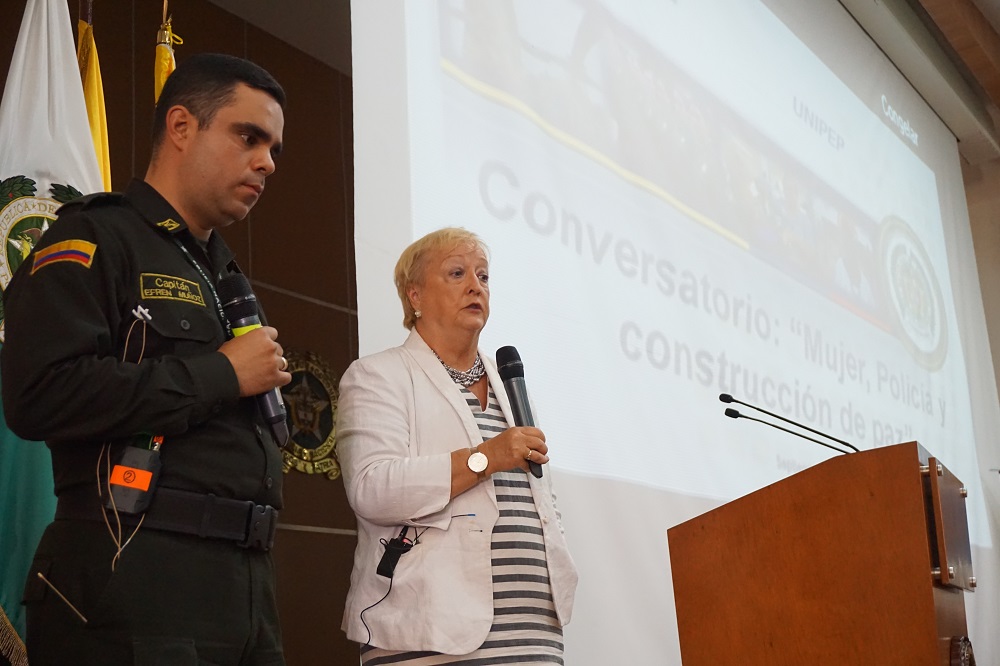
The Interpeace Regional Office for Latin America, and its partner organization Alianza Para la Paz, have been facilitating a participatory dialogue process within the Colombian Police, on the role of police in peacebuilding. Ana Glenda Tager, Regional Director of Interpeace Latin America explains, "The ceasefire is important but it is just the beginning of true peace."  Therefore, as part of her visit to Colombia, Monica also participated in an event about “Gender, Police and Peacebuilding,” held at the Police Graduate School in Bogotá. The police force is a key institution in building peace, not only to provide security for the citizens of a country, but also to contribute to the necessary cultural transformation, which will ensure that a non-violent resolution of the conflict will be sustained.

Monica addresses police force

Monica McWilliams at the Police Graduate School in Bogotá, Colombia. Photo credit: Arnoldo Gálvez.

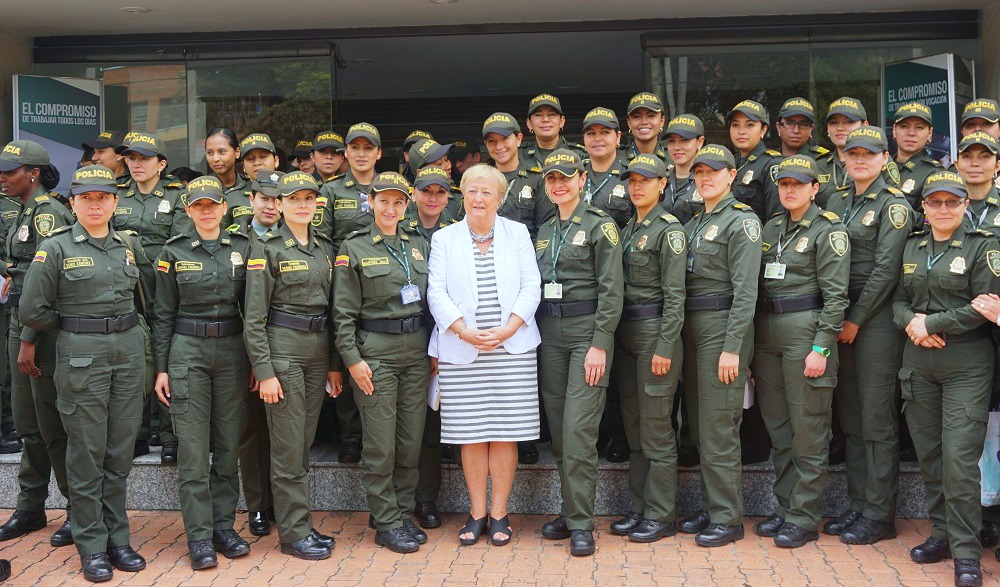
McWilliams expressed how the role of the police force has been essential in the successful resolution of the conflict in Northern Ireland. She addressed hundreds of female Colombian police officers and reminded them that the police force must represent the entire population, not only the rich and powerful, but all citizens in the country. She added that in order to achieve this “the police must be transparent, must not make decisions secretly or collude with politicians.” At this event Monica was joined by high ranking female police officers, politicians and activists, who spoke about the importance of women’s role in peacebuilding. Irma Perilla, director of Thought and Social Action, PAS, assured: "Women, by vocation and by nature, are peacemakers. We call for dialogue and coexistence.”

After 52 years of armed conflict, Colombians are now faced with a number of challenges to transform their adversities. Monica McWilliams’ visit during this historical moment, not only encouraged women and men to stay strong and keep moving forward to build peace, it also helped reinforce the role of women in overcoming obstacles to lasting peace. At the end of her conference she expressed: "Peace is built slowly, with patience and persistence."

Monica with police force

Monica McWilliams with members of the Colombian Police force. Photo credit: Arnoldo Gálvez

Watch photo album of Monica McWilliams visit to Colombia ici

"Let’s make History begin on October 2nd": from signing the agreement to building lasting peace in Colombia

A first step to build lasting and sustainable peace in Colombia

On Monday September 26 in Cartagena, Colombia, the Final Agreement ending the conflict between the Colombian government and the Revolutionary Armed Forces of Colombia (FARC-EP) was signed. Real peace, however, involves much more than signing an agreement. This is only a first step. An indispensable one, because it generates spaces for coexistence and restores the bonds of trust that violence has broken. As Colombian Human Rights defender, Claudia Mejia Duque explains: "the war in Colombia not only claimed lives, it also destroyed the trust between us and we must work to rebuild it."

Claudia Mejía Duque, Colombian Human Rights Defender, at event: Women Choose Peace in Bogotá, Colombia. Photo credit: Arnoldo Gálvez.

The armed conflict in Colombia is one of the oldest in the world. According to the report of the National Centre for Historical Memory, between 1958 and 2012 there were at least 220,000 people killed, 25,000 missing and 4,744,046 were displaced. "In Colombia we live a true exodus" says Irma Perilla, director of Thought and Social Action, PAS. "Seeing the dimension of what internal displacement is, motivated me to work for this cause: a negotiated solution to the internal armed conflict."

In order to end the conflict with the FARC-EP, the spirit of the agreement negotiated in Havana between 2014 and 2016, sought to guarantee that the violence would stop and never occur again. To achieve this, the agreement should not be limited to the termination of hostilities, it should also be taken as an opportunity to address the structural problems affecting large groups of the population, particularly in rural areas, which have prompted the emergence of different types of conflicts ranging from ideological and political issues, to organized crime. Therefore, the agreement consists of six points, and compliance with each of them is a necessary condition for a lasting and sustainable peace: comprehensive rural reform, political participation, ending the conflict, solution to the problem of illicit drugs, victims of the armed conflict and the implementation, verification and countersignature of the agreement.

52 years of armed conflict come to an end and new challenges and opportunities emerge

After signing the agreement, the main challenge to building peace in Colombia begins: its implementation. "I am very impressed by the negotiations of Havana. The support they had, the content, the fact that they had a gender commission. They are comprehensive, complete agreements, "says Monica McWilliams, Vice-Chair of Interpeace’s Governing Council and signatory to the peace accords in her native Northern Ireland. "The key question is whether there will be proper resources, sufficient commitment and enough political will to implement these agreements." Resources and political will, are the two pillars on which the long process of building peace in Colombia will stand on, which begins the day after the referendum is held on October 2nd.

Monica McWilliams at event organized by Interpeace Latin America, Alianza Para la Paz and the Colombian Police in Bogotá, Colombia. Photo Credit: Arnoldo Gálvez.

A legitimate peace can never be a decision made at the highest political level, but a possibility subject to democratic decision-making mechanisms. What has been signed between the government and the FARC-EP on Monday, must now be endorsed by the Colombian society on October 2, through a plebiscite where all Colombians answer: "Do you support the final agreement to end the conflict and build a stable and lasting peace? " The main concern of those who support the peace process, is that the ignorance of the content of the agreements, decades of mistrust and the pain of the victims, may prevent an affirmative response.

Peace will not be perfect, and if Colombians decide to endorse the agreement, the peace process will be long and complex. However, there can be no possible solution without ending the armed confrontation. The ceasefire itself, which is just a first glimmer of hope for Colombia, has already brought positive benefits. Irma Perilla assures it: "Today, when we have not yet earned the countersignature, this peace process has already given results: no more soldiers have fallen, no more guerrillas have fallen, no more civilians have fallen caught in the middle of the armed conflict.” Monica McWilliams co-founded the Northern Ireland Monica witnessed the profound changes that peace brought in her country, "the daily life of Colombians will dramatically change once you start implementing the peace agreements. The world will see Colombia under a different light, tourists will begin to arrive in the country, investments will increase as investors seek stability. But most important is the life in the communities, the tranquility that will exist in communities. The primary objective of the agreements must be the security and serenity of Colombians."

Rewriting History in Colombia

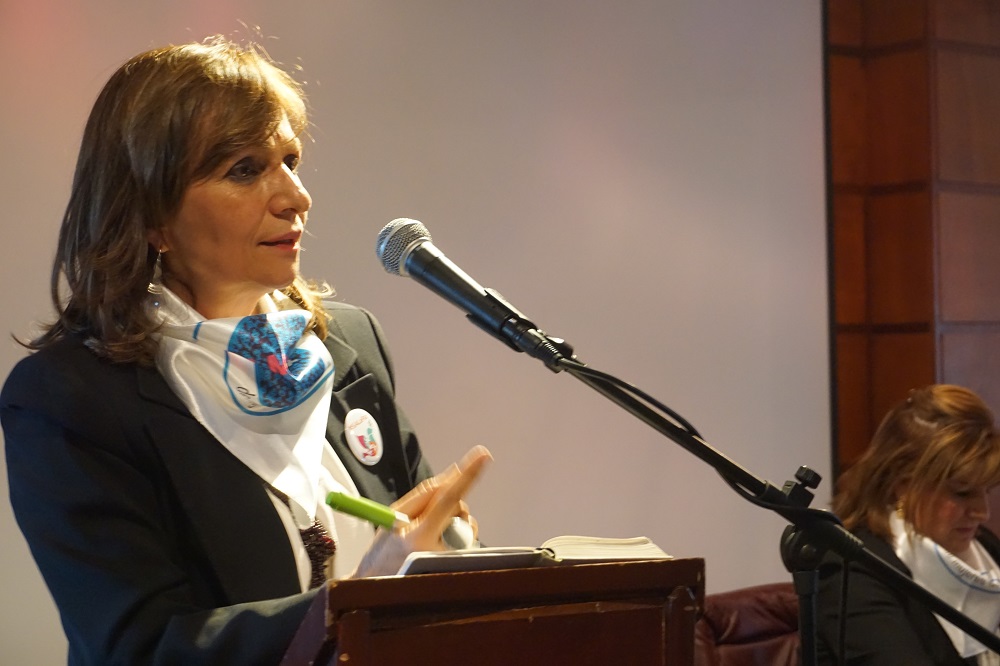
One of the most difficult aspects to cope with and assimilate during a peace process is the ability of people to talk to their enemies. However, reconciliation is another essential condition to interrupt the cycles of violence. “If Chile and Argentina had to talk about transitional justice to move from military dictatorship to democracy, in Colombia we have to go through the same thing. Only truth, justice and reparation is what will prevent this from happening again. And for those who think that peace will bring impunity, I'm sure that Colombians will not allow crimes against humanity to go unpunished. " Congresswoman Angela Maria Robledo, Co President of the Peace Commission of the Congress of Colombia, added: "We need to start weaving a common story, seated in truth and memory, so that in the midst of our plurality, we can live together".

Congresswoman Angela Maria Robledo, Co President of the Peace Commission of the Congress of Colombia. Photo Credit: Arnoldo Galvez.

The key to peace, said President Juan Manuel Santos when he began to position the peace process, is not in the bottom of the sea, I have it in my pocket. And we went, women, indigenous people, peasants, Afro-descendants, youth, to say, Mr. President, the key to peace is also ours. "

"Many people thought that the end of the conflict between the Colombian government and the FARC was not possible. And now we see that it is possible, "says Monica McWilliams. "Colombia cannot afford to miss this opportunity. It cannot be enslaved by history; they must make history begin on October . "


Entrepreneurship and productive capacity-building with at-risk youth in El Salvador

The districts of Nueva Concepción and Ilopango share two particular characteristics. Both towns are located in the midst of breathtaking water landscapes: the Lempa River and the Ilopango Lake. And although they are surrounded by peaceful scenarios, both Nueva Concepción and Ilopango, are located in one of the countries with the highest homicide rates in the world: El Salvador.

In 2015, homicide rates in El Salvador reached a historic high for the post-war period, of 116 murders per 100,000 inhabitants. In this context, Interpeace’s programme is working to strengthen the capacities of people involved and affected by this conflict, in order for them to define the problem, and gain a sense of responsibility and ownership of the solutions that can generate peaceful transformations in their communities. Interpeace firmly believes that this objective can only be reached through the inclusion of all social groups, not only governments and political elites, but also through the participation of civil society.

Interpeace’s programme, entitled “Comprehensive initiatives to prevent violence in El Salvador,” developed with the support of the European Union, is being implemented in ten districts throughout the country. The project seeks to work with at-risk youth between the ages of 18 and 29, with the objective to build capacities for entrepreneurial activities. This programme entails three specific steps: the first is to provide young adults with the necessary tools and methods to peacefully transform conflict. The second step, consists on training these young adults in the field of entrepreneurship. And lastly, the third step involves overseeing the establishment of productive associations and providing seed capital, specifically for materials and equipment to enable the implementation of their entrepreneurial ideas.

Ilopango, El Salvador. Photo credit: Interpeace

The programme is already underway and throughout July 2016, two workshops were developed focusing on the second step of the project. On July 14, 19 young adults from the district of Ilopango participated in a training session where they identified the enterprises they would like to implement in their community. The next day on July 15, a similar workshop took place in the district of Nueva Concepción. In both towns, the risks and opportunities of each enterprise were discussed and participants engaged in recollecting information to better define the implementation of each project. It’s important to highlight that these participants will ultimately choose the enterprise they want to initiate, as a way to consolidate the local ownership of the process. During August 2016, similar workshops will take place in the other 8 districts established by the programme. At the end of this phase, these young adults will participate in training sessions, aimed at implementing their enterprises.

Offering productive opportunities to youth is a key strategy to preventing violence. Empowering youth through these processes, helps decrease their involvement in threating activities and turns them into agents of positive change within their communities.


Empowering youth to transform conflict and build peace

Youth are one of the main victims of exclusion around the world, both in fragile and developed contexts. Ethnic diversity, as well as religious, economic, social and political differences, create multiple barriers within societies, which most often fail to respond to the needs of young people. In this absence of opportunities and participation, youth become vulnerable and many times stay caught in a vicious cycle of violence and stigmatization. But as UN Secretary-General Ban Ki-moon said, “Youth are more than victims of poverty and economic downturn – they can be agents of change.”

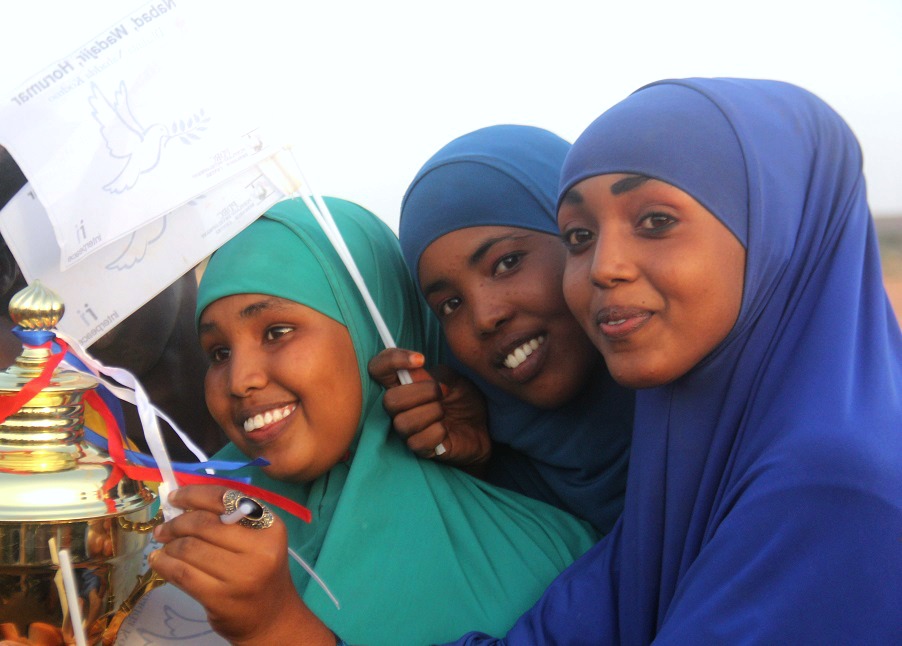
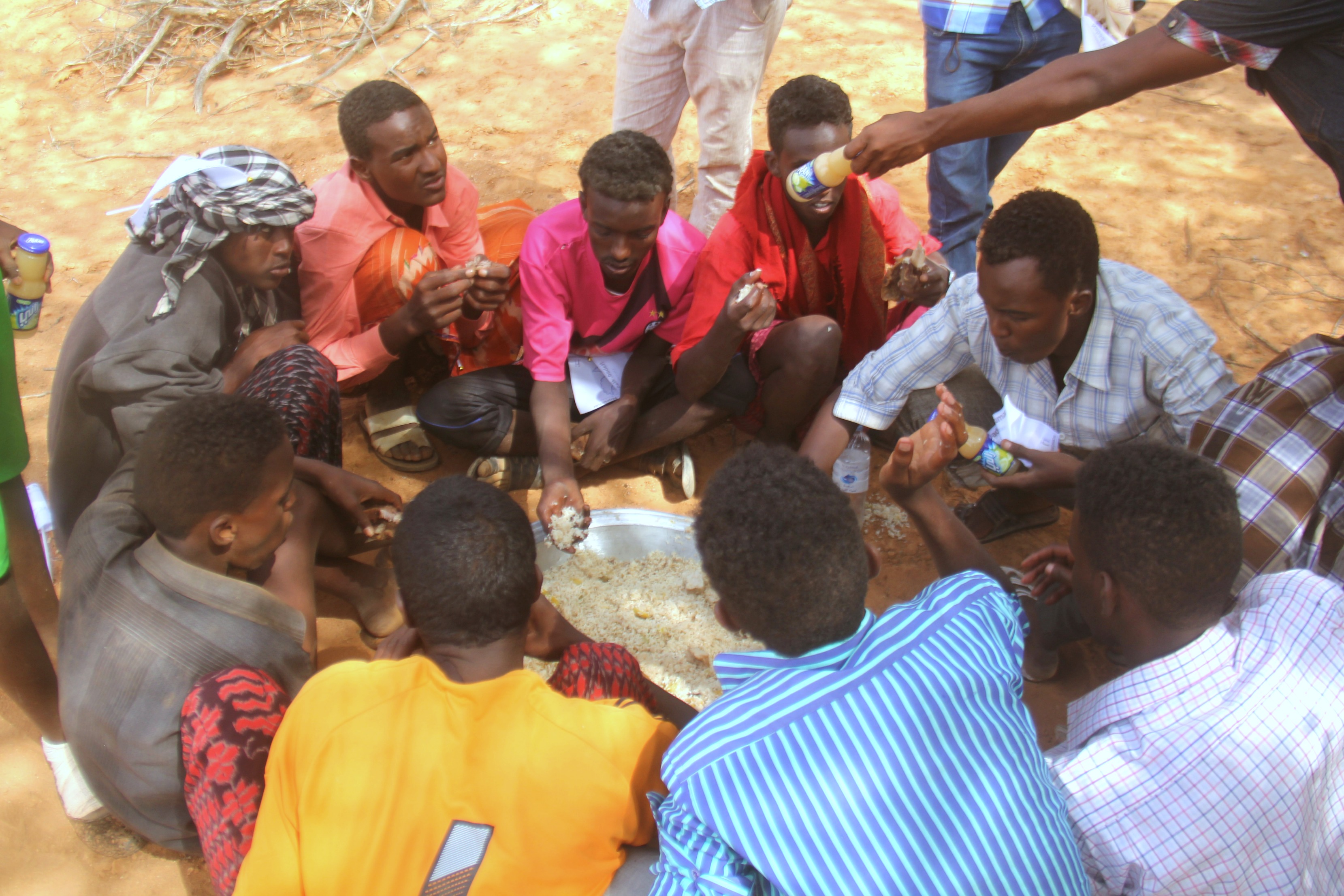
Rako, Puntland. Photo credit: PDRC

Interpeace recognizes that marginalization and disengagement can lead to devastating effects in the lives of young adults. But if they are given the opportunity, youth have an invaluable role in the contribution of building more inclusive and peaceful societies. For this reason, in the past 22 years, Interpeace has engaged youth in a wide range of peacebuilding initiatives, where they have become powerful leaders of positive transformations in their communities.

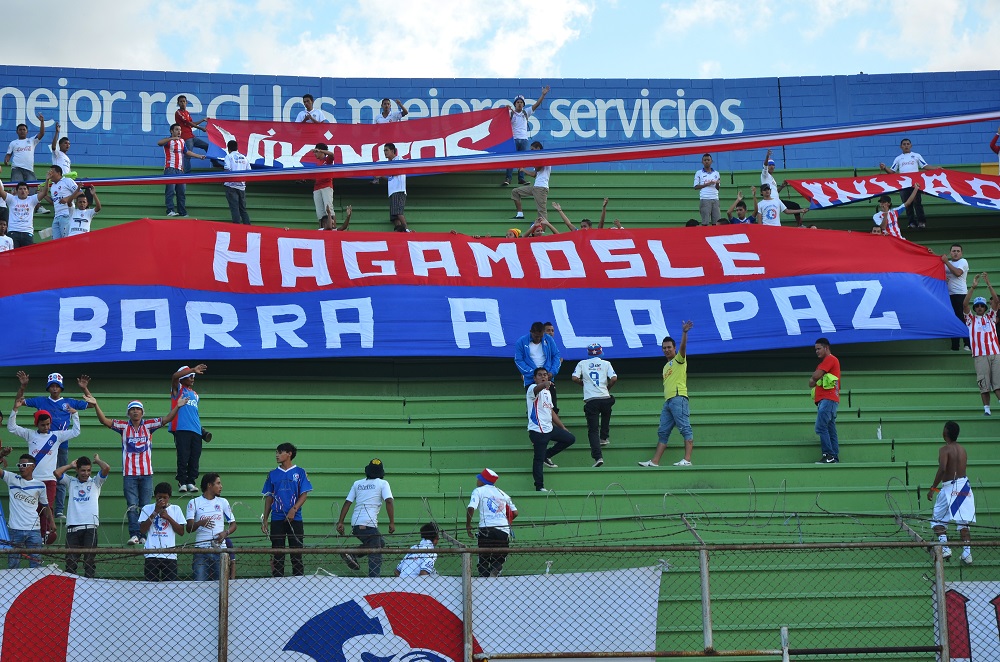
In Latin America Interpeace has worked with youth since 2007: leading participatory processes to develop comprehensive public policy proposals, which addressed root causes of youth-related violence in seven countries in Central America, and supported the creation of regional youth networks by providing trainings to improve their peacebuilding capacities. More recently, in Honduras et un Salvador, two of the countries with the highest homicide rates in the world, Interpeace has worked with sports clubs in Tegucigalpa to build trust and find common ground between rival groups, as well as promote entrepreneurial capacities with youth groups in El Salvador.

Honduras soccer stadium. Photo credit: OsArGarMor

Working with youth has also been at the heart of many programmes developed in West Africa. In Abidjan, Interpeace and its partner organization Indigo Côte d’Ivoire work specifically with youth engaged in organized crime. Through a process of interactive dialogue, the project seeks to reconnect at risk youth with their respective communities. And in Mali, with its partner organization the Malian Institute of Action Research for Peace (IMRAP), programmes have focused on providing spaces for dialogue to promote trust and social cohesion by encouraging cultural exchange between young Malians.

In Eastern and Central Africa, Interpeace has also worked with multiple partner organizations to nurture youth as peacebuilders. Supported by its partner organization in Puntland, the Puntland Development Research Center (PDRC), youth were able to lead the way to peace in a feud between two clans in the Rako district helped by PDRC’s Mobile Audio-Visual Unit (MAVU). Youth activists were able to take action together, which led to the signing of peace agreements in 2015, which ended a five-year conflict. Moreover, working with The Economic Community of the Great Lakes countries (CEPGL), which brings people together from Burundi, the Democratic Republic of Congo and Rwanda, Interpeace has worked in diverse peacebuilding activities designed to foster critical thinking, deconstruct stereotypes, raise awareness about identity manipulation, and foster relationships among young adults from different backgrounds.

Rako District, Puntland. Photo credit: PDRC

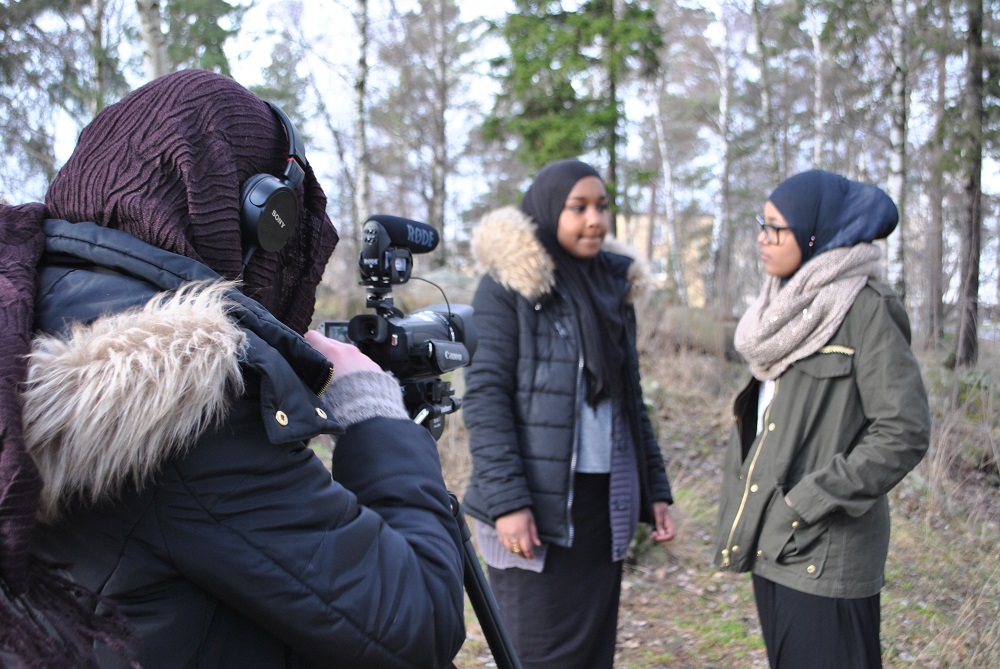
In developed nations like Suède, exclusion is also a serious problem amongst the youth. In 2014, Interpeace developed a participatory research project to analyze the main issues facing the area of Tensta, a neighborhood that is home to a large immigrant population, which suffered a series of social unrests and protests in 2012 and 2013. Exclusion and marginalization were two of the main factors highlighted by the people interviewed, especially with regards to youth and how they are affected by a lack of participation in their community’s development and employment opportunities. Research also revealed that the Tensta youth can play a central role for positive change in the area. As a result, Interpeace is now working with youth on solutions to build more inclusive societies. A video was made by the young activists of Tensta telling their stories in a Documentary called “Dreams from Tensta.”

Tensta, Sweden. Photo credit: Interpeace

Breaking barriers, reinforcing trust and understanding the dynamics of youth groups around the world are fundamental strategies in peacebuilding efforts. Providing opportunities and spaces for active participation will help youth become the leaders of the future, and will enable them to recognize themselves as powerful agents of positive change. For this reason, Interpeace celebrates Youth Day - young adults, unquestionably, play a key role in building more inclusive and peaceful societies.

^CD79ED0467ED057B4EDFDC31904C5B98AC5FBE7F9D775140F4^pimgpsh_fullsize_distr

Violence and insecurity in Central America: Failure of the hard-fisted policies and its democratic alternatives

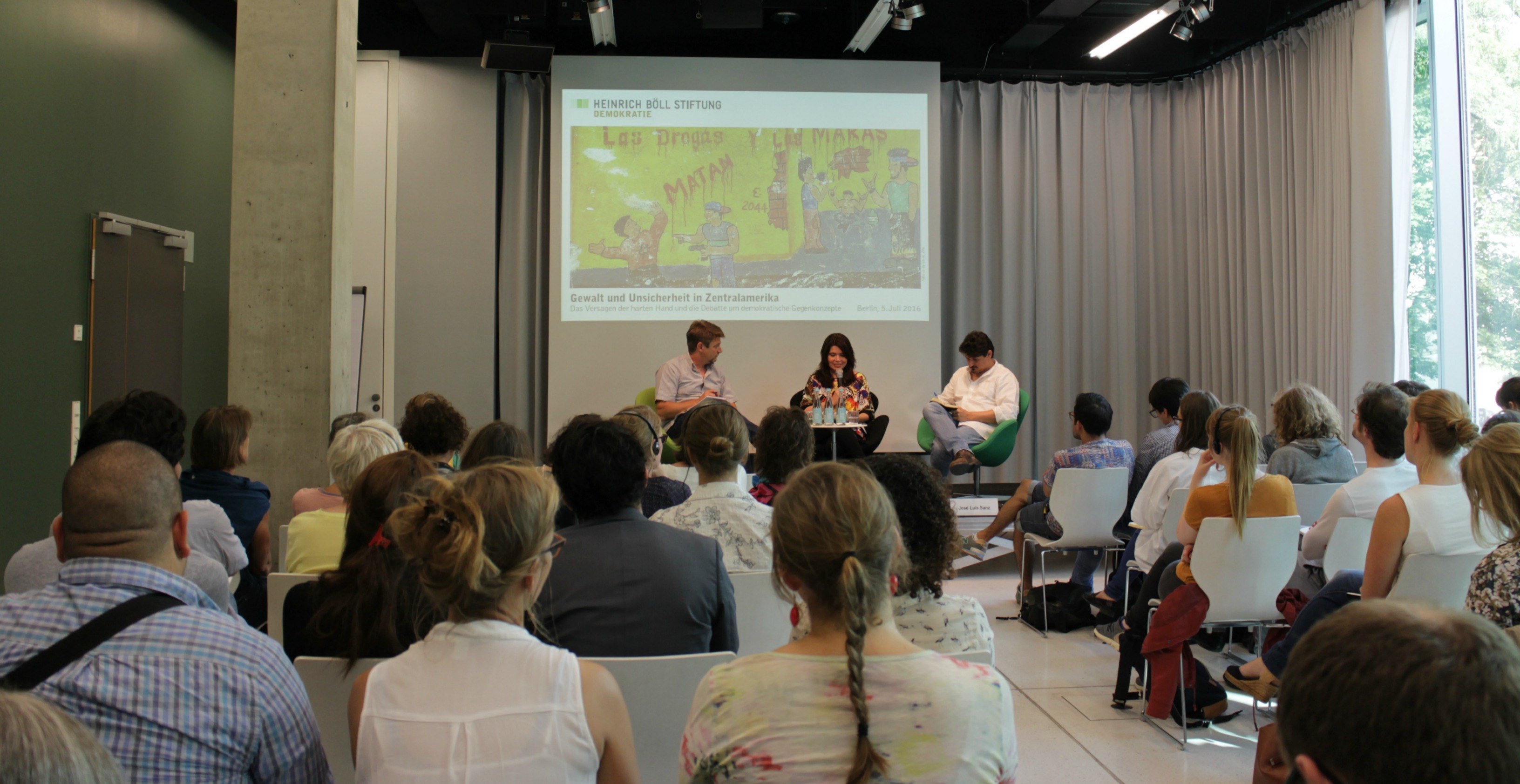
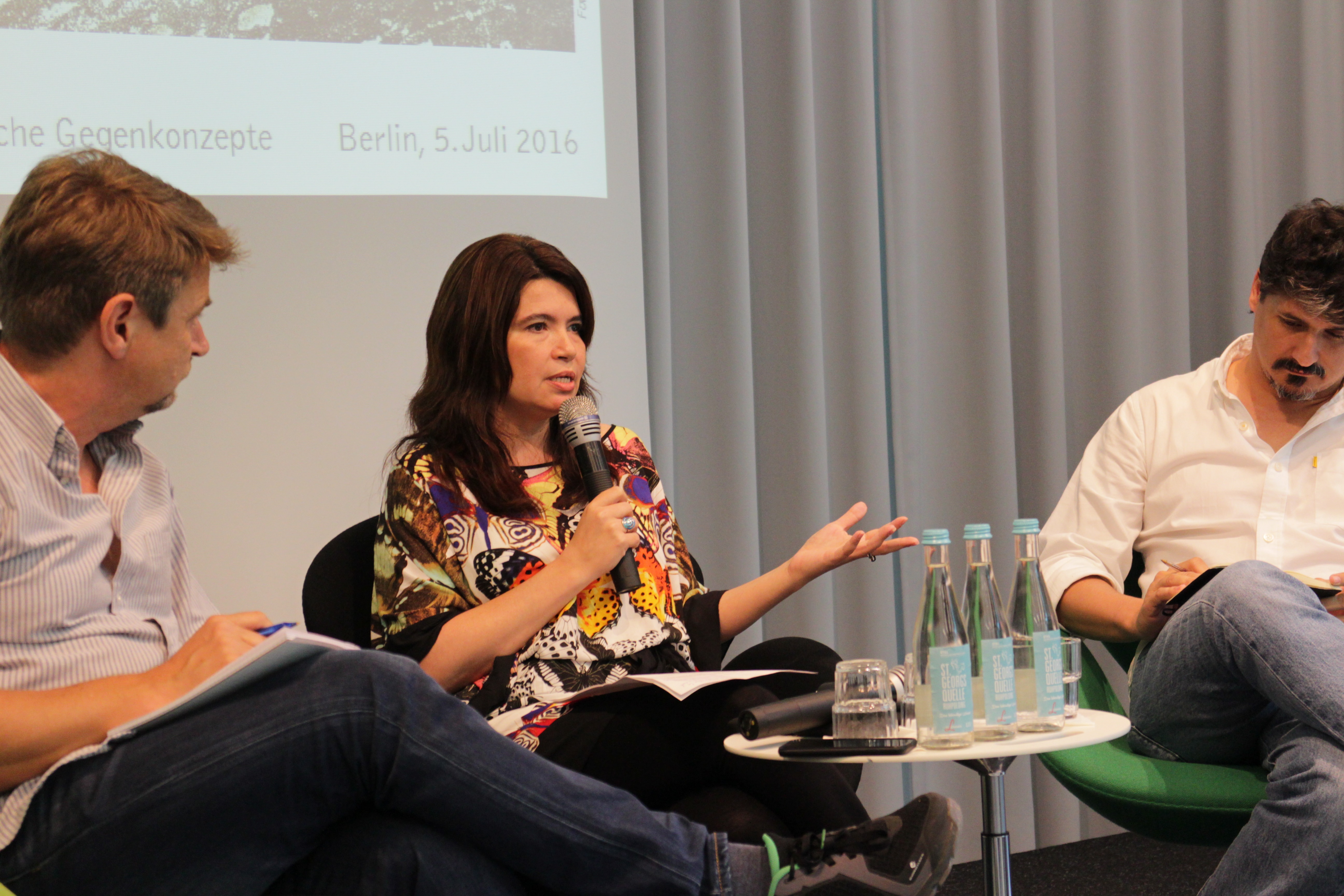
On July 5th 2016, the Heinrich Böll Foundation invited Ana Glenda Tager, Interpeace’s Regional Director for Latin America, and José Luis Sanz, Director of the Salvadoran newspaper El Faro, to participate in a public debate entitled: “Violence and Insecurity in Central America: The Failure of the Hard-Fisted Policies and the Debate on Alternative Democratic Concepts.” Bernd Pickert, journalist of the German Newspaper Die Tageszeitung, moderated the debate, which took place in Berlin.

Para Abajo

Ana Glenda Tager, Interpeace’s Regional Director for Latin America; José Luis Sanz, Director of the Salvadoran newspaper El Faro; and Bernd Pickert, journalist of the German Newspaper Die Tageszeitung.

A third of the world’s overall homicides occur in Latin America. The Northern Triangle of Central America, conformed by Guatemala, Honduras and El Salvador, have the highest murder rates in the world. The homicide rate in El Salvador in 2015, was of 116 for every 100,000 people. And in Guatemala and Honduras, the homicide rate was 60 for every 100,000. In contrast, the world’s average homicide rate is 6.2 for every 100,000 citizens.

According to the Organization of American States, victims are mostly men between the ages of 20 and 30. However, the number of femicides and homicides of members of the LGBT community are increasing.

These issues have led to a series of unfortunate consequences within society. They have generated mistrust, broken social cohesion and have imposed a social order, were violent reactions are encouraged in a vicious cycle. At the same time, they have raised social tolerance to violence, illegal forms of economy and the loss of thousands of lives.

So far the problem has been tackled through repressive means, using the so-called Mano Dura or Hard-Fisted policies. The State’s indifference to solve these social issues has led to an excessive involvement of the Army in public security. Interpeace’s experience shows that a preventive approach to these issues is necessary to transform violent dynamics, from a peacebuilding perspective. However, this preventive focus must be placed on all the actors involved in violence and not only on young vulnerable adults, as it is usually done.

At the same time a tertiary prevention is also pivotal, which would focus on the work done with prisoners, given the direct relation between the detention centers and criminal dynamics.

Through dialogue, Interpeace seeks to strengthen the bonds of trust, shorten the distance between all actors of society, including the most marginalized and stigmatized and therefore stimulate the development of non-violent and collaborative solutions to the challenges faced by society.

Parallel events to the Public Debate

As part of Ana Glenda Tager’s visit to Berlin, she participated in a series of meetings organized by the Heinrich Böll Foundation:


Ana Glenda Tager, Interpeace’s Regional Director for Latin America in Debate held in Berlin. Photo credit: Interpeace

Ana Glenda Tager, Interpeace’s Regional Director for Latin America in Debate held in Berlin. Photo credit: Interpeace